Why Are Semi Precious Stones Sold by the Slab Instead of Square Foot?

Time:2026-05-31 Author:Oliver
0%

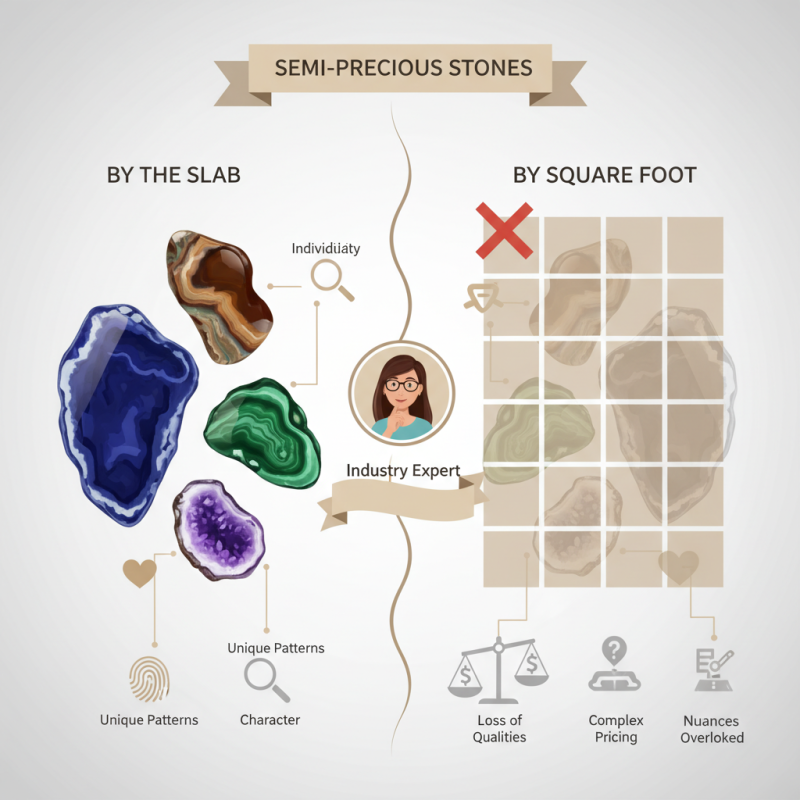
The sale of semi-precious stones raises an intriguing question: "Why is semi-precious stone sold by the slab and not square foot?" This practice reflects a deeper understanding of the material's nature and value beyond mere measurements. Industry expert Dr. Janice Morgan, a gemologist with over 15 years of experience, explains, “The individuality of each slab means it cannot be easily compared by square footage alone.”

When dealing with semi-precious stones, each piece is unique. The natural variations, including color, pattern, and texture, make slabs a preferred choice. Buyers often seek the distinctiveness of each stone, wanting a piece that truly stands out. Selling by square foot could lead to a loss of these unique qualities.

Moreover, pricing and value assessment are complex. A slab may have varying qualities that impact its worth. When priced by square footage, those nuances might get overlooked. Dr. Morgan emphasizes the importance of appreciating each slab's character. It’s not just about the size; it’s about the story and rarity behind each piece. Understanding these factors helps buyers make informed decisions.
Why Are Semi Precious Stones Sold by the Slab Instead of Square Foot?

Understanding Semi-Precious Stones and Their Market Value

Semi-precious stones hold a unique allure in the world of gemstones. Their market value often reflects a combination of rarity, beauty, and demand. Unlike precious stones, semi-precious stones are not standardized in size and shape, making their pricing more complex. This diversity in characteristics leads to a pricing system based on slabs, rather than square footage.


When purchasing semi-precious stones, buyers often encounter slabs that showcase the stone's natural patterns and colors. Each slab tells a story, capturing the stone's geological history. Dealers assess these slabs individually, considering factors like color intensity, clarity, and pattern uniqueness. Consequently, prices fluctuate based on these criteria, emphasizing quality over sheer quantity.


The market for semi-precious stones is evolving. Some buyers are becoming more discerning, seeking organic shapes and authentic features. However, not all slabs live up to expectations. There are instances when buyers feel disappointed upon discovering imperfections. This highlights the importance of understanding each stone's individuality and the necessity for buyers to approach purchases with mindful consideration.

The Nature of Semi-Precious Stones: Formation and Characteristics

The formation of semi-precious stones is a fascinating natural process. These stones often form through geological activities over millions of years. For example, agate develops from volcanic activity and quartz crystalizes in silicate-rich environments. A study by the Geological Society shows that these formations can yield unique colors and patterns, making each slab distinct.

The characteristics of semi-precious stones vary widely. Some, like jade, are valued for their toughness and visual appeal. Others, such as lapis lazuli, are cherished for their deep color and historical significance. According to the International Gem Society, the rarity and complexity of these properties contribute to their market value. Semi-precious stones can have a significant variance in price due to the need for skilled craftsmanship to extract and polish them.

Not only do these stones possess beauty, but they also tell a story of Earth’s history. Each slab is a testament to nature’s artistry, often requiring thoughtful selection by artisans. Flaws in the stone can detract from its overall appeal but also serve as reminders of nature’s imperfections. The interplay of these factors makes buying by the slab a logical choice.

Why Are Semi Precious Stones Sold by the Slab Instead of Square Foot?

Stone Type Formation Process Color Variations Typical Use Average Price per Slab
Amethyst Igneous rock formation Purple, lavender Jewelry, decor $150
Jade Metamorphic processes Green, white, yellow Sculptures, jewelry $200
Tiger's Eye Metamorphic processes Brown, gold Jewelry, ornaments $100
Lapis Lazuli Sedimentary processes Deep blue Jewelry, artwork $180

Slab vs. Square Foot: The Pricing Structure Explained

When it comes to pricing semi-precious stones, the slab versus square foot debate offers valuable insights. The slab method is often preferred because stones are irregularly shaped. Each slab can have unique features, colors, and textures. This individuality makes them more appealing to buyers. When sold by square foot, the value can diminish. A stone's beauty is not solely in its size.

Pricing by slab allows for more nuanced evaluations. Buyers can see the distinct characteristics of each piece. This can create a more engaged buying experience. However, this method also raises questions about consistency. Not all slabs are created equal. A small, vibrant slab may cost more than a large, dull one. This can lead to confusion among customers who expect uniform pricing.

Despite the appeal of slab pricing, it can complicate the purchasing process. Buyers may struggle to assess the true value of what they are getting. Transparency in pricing is essential yet often lacking. As the market evolves, clearer guidance on pricing is needed. Prospective buyers should research and engage with experts to ensure they understand the value behind the slabs they are considering.

Factors Influencing the Sale of Semi-Precious Stones by Slab

Semi-precious stones are often sold by the slab rather than by the square foot. This method has origins in the industry's dynamics. When stones are cut into slabs, they reveal unique patterns and colors that can be visually stunning. Each slab can contain an array of appearances. The irregularities in the natural stone lend themselves to individuality, making each piece special.

Market reports highlight that slabs are often sold because they retain higher value. According to the International Gem Society, semi-precious stones can increase in price by up to 40% when sold as a unique slab. This trend reflects consumer preference for personalized options. Buyers often appreciate the uniqueness found in one-of-a-kind pieces. This drives the trend toward slab sales.

Tips: When purchasing semi-precious stones, consider asking about their source. A reliable origin can ensure quality. Look for slabs with distinctive veining or coloration, as these features can enhance aesthetic appeal. Be mindful of the available sizes; sometimes, a less perfect slab can offer better value. Natural stones can have imperfections, which might affect your final choice. Embrace these characteristics; they tell a story.

Consumer Preferences and Trends in Stone Selection and Usage

When consumers choose semi-precious stones, they often prioritize aesthetics over practical measurements. Many buyers are captivated by the unique patterns and colors of these stones. The slab method offers a visual appeal that square footage does not convey. This allows consumers to appreciate the stone's beauty before making a purchase.

Trends indicate that clients prefer larger, intact pieces for their projects. They want the ability to showcase the natural designs. This can often lead to a more personal connection to the stone. However, some consumers may face challenges in visualizing how these slabs will fit into their spaces. It's crucial to provide guidance and clear examples in such cases. It enhances consumer confidence in their decisions.

As the industry evolves, the emphasis on personalization grows. Clients are increasingly interested in rare stones and unique finishes. Retailers must balance this desire with practical constraints. It is a delicate dance of aesthetics and usability. Understanding these consumer preferences is vital for any supplier looking to stay relevant. Continuous feedback from customers can inform future inventory choices.

FAQS

: What are semi-precious stones?

: Semi-precious stones are gemstones valued for rarity, beauty, and demand, but not standardized like precious ones.

How are semi-precious stones priced?

Pricing is based on individual slabs, considering factors like color intensity, clarity, and uniqueness of patterns.

What should buyers look for in semi-precious stones?

Buyers should assess natural patterns and colors, seeking authenticity in shapes and features for meaningful purchases.

Why might buyers be disappointed with their purchase?

Disappointments can occur due to imperfections in the stone that may not meet the buyer's expectations.

How do geological processes affect semi-precious stone formation?

Geological activities over millions of years create unique colors and patterns, influencing each slab's distinctiveness.

What characteristics make semi-precious stones valuable?

Toughness, visual appeal, historical significance, and rarity contribute to the overall market value of these stones.

How does craftsmanship impact the price?

Skilled craftsmanship is essential for extraction and polishing, leading to significant price variations among different stones.

Why is purchasing by the slab logical?

Each slab holds individual beauty and characteristics, making a thoughtful selection process important for buyer satisfaction.

What does nature's artistry mean in the context of semi-precious stones?

Nature's artistry refers to the unique beauty and imperfections in each slab, showcasing Earth's geological history.

What reminder do flaws in stones serve?

Flaws can detract from appeal but also highlight nature's imperfections, encouraging buyers to reflect on their choices.

Conclusion

The article "Why Are Semi Precious Stones Sold by the Slab Instead of Square Foot?" delves into the unique characteristics and market dynamics of semi-precious stones. These stones, known for their beauty and diversity, are formed through intricate geological processes, leading to their varied appearances and properties. Unlike standard materials sold by square footage, semi-precious stones are sold by the slab. This pricing structure is influenced by factors such as the irregular shapes of stones, uniqueness of each piece, and the way consumers value the aesthetic appeal of larger, uncut slabs.

Moreover, consumer preferences play a crucial role in this sales approach. Trends indicate that buyers often favor the individuality of slabs, appreciating the organic forms and natural patterns that cannot be replicated in uniform cuts. Overall, the question of "Why is semi-precious stone sold by the slab and not square foot" is tied to both the attributes of the stones themselves and the evolving tastes of customers in the market.

Oliver

Oliver

Oliver is a seasoned marketing professional with a wealth of expertise in driving brand awareness and engagement. With a deep understanding of our company's product offerings, he consistently delivers high-quality content that enriches our professional blog. His insights not only shed light on......