Why is My White Marble Turning Yellow Over Time?

Time:2026-04-29 Author:Oliver
0%

White marble is a symbol of elegance and sophistication. Many homeowners choose it for countertops, floors, and decorative accents. However, a common issue arises: "Why is my white marble turning yellow over time?" This phenomenon can be disheartening, especially when it alters the beauty of your interior. Understanding the causes behind this change is essential for maintaining your marble’s pristine look.

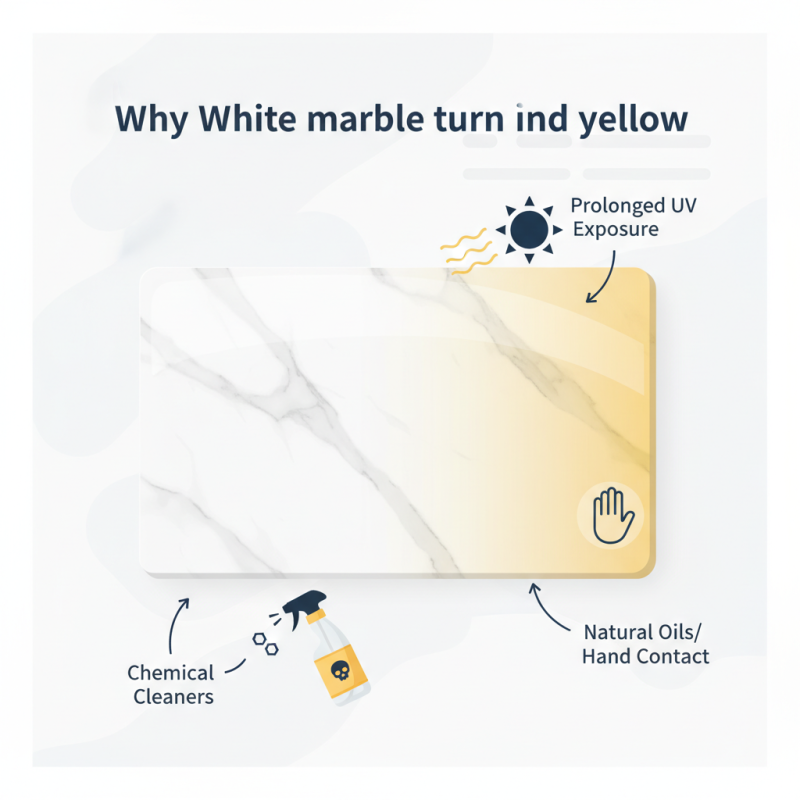
Several factors contribute to the yellowing of white marble. Exposure to sunlight is one key element. Prolonged UV exposure can lead to color degradation. Additionally, certain cleaning products may react with the marble, causing discoloration. Even natural oils from hands can leave marks over time. This makes it vital to choose the right care methods.

Despite thorough maintenance, some yellowing may still occur. This imperfect reality can be frustrating. However, recognizing these causes can lead to better prevention and care. The journey to keep your marble looking fresh includes awareness and dedication. Understanding “Why is my white marble turning yellow over time” allows you to take actionable steps towards preserving its beauty.
Why is My White Marble Turning Yellow Over Time?

Causes of Yellowing in White Marble Over Time

White marble is prized for its elegance, but it can turn yellow over time. Several factors contribute to this discoloration. One major cause is exposure to sunlight. UV rays gradually break down the marble’s surface, causing it to lose its bright white color.

Additionally, chemical reactions can lead to yellowing. Products like vinegar or bleach can stain marble if used regularly. Even acidic food spills can contribute to this issue. Stains may appear as yellow patches that dull the surface's sheen. Another concern is the quality of the marble itself. Inferior marble might be more susceptible to yellowing.

Environmental factors also play a role. High humidity levels can lead to mold growth, which might appear yellow. Regular cleaning is important, but using the wrong products can worsen the problem. Many people overlook proper maintenance. They might not realize that routine care is crucial for preserving marble’s beauty.

Why is My White Marble Turning Yellow Over Time? - Causes of Yellowing in White Marble Over Time

Cause Description Prevention
Natural Oxidation Exposure to air can lead to oxidation, causing yellowing over time. Seal the marble regularly to limit air exposure.
Chemical Exposure Acidic cleaners or harsh chemicals can etch the surface and alter color. Use pH-neutral cleaners specifically designed for marble.
Sunlight Exposure Prolonged sunlight can cause discoloration over time. Avoid direct sunlight or use UV-filtering windows.
Water Stains Hard water can leave behind mineral stains that contribute to yellowing. Wipe spills immediately and use distilled water for cleaning.
Organic Stains Food and beverage spills can penetrate and stain the marble. Clean up promptly and seal the surface regularly.

Environmental Factors Affecting White Marble Color

White marble is revered for its stunning beauty and elegance. However, environmental factors can lead to a noticeable change in color over time. Exposure to UV light is a significant contributor. Prolonged sunlight can cause a chemical reaction in the marble, leading to yellowing. Areas that receive direct sunlight may show discoloration faster than shaded areas.

Pollution is another critical factor. Acidic rain can harm the marble surface. The minerals in the marble react negatively, altering its pristine appearance. Even air pollutants can settle on the surface, causing stains and discoloration. Regular cleaning can help, but it is essential to choose the right products. Harsh chemicals may exacerbate the problem instead of fixing it.

Humidity and temperature fluctuations also play a role. High humidity can lead to moisture accumulation. This moisture can encourage stains and further discoloration. Extreme temperature changes cause the marble to expand and contract. This process can create microcracks over time. These cracks may harbor dirt and impurities, leading to uneven color. Understanding these factors is key to preserving the beauty of your white marble.

Chemical Reactions Leading to Discoloration

The discoloration of white marble is a common concern for many owners. This issue often arises from chemical reactions between the stone and its environment. Acidic substances like lemon juice or vinegar can etch the surface, leading to yellowing. A study from the Marble Institute reveals that pH levels below 7 can cause significant damage to marble.

Additionally, mineral content in water can lead to stains. For example, iron-rich water can oxidize and create yellow or brown patches. This reaction is particularly notable in areas with high iron concentrations. According to the Journal of Geological Sciences, exposure to such elements can lead to permanent discoloration over time. The transformation is often gradual, making it hard to detect initially.

Even cleaning agents can contribute to this problem. Many household cleaners contain chemicals that react negatively with marble surfaces. While they might clean effectively, they can also strip away the protective layers. This sets the stage for further discoloration. Regular maintenance and careful selection of cleaning products are essential in preserving the marble's original appearance. It’s a constant battle against aging and environmental factors.

Preventive Measures for Maintaining Marble Brightness

White marble, with its pristine beauty, can lose its luster over time, often turning yellow. This color change is primarily due to various factors including exposure to moisture, heat, and certain chemicals. To counteract this degradation, regular maintenance is essential.

Preventive measures start with proper sealing of the marble. Applying a high-quality sealant can protect it from stains and moisture absorption. According to industry reports, unsealed marble is up to 20 times more likely to absorb damaging substances. Routine cleaning with pH-neutral solutions can help maintain brightness. Avoid acidic cleaners, as they can etch the surface and lead to discoloration.

Additionally, controlling the environment plays a pivotal role in preserving marble's appearance. High humidity can accelerate yellowing. Using dehumidifiers can mitigate this risk. Regularly polishing the marble with fine abrasives helps restore its shine. Tests show that neglected marble can lose up to 50% of its initial brightness within five years. Therefore, proactive care can significantly enhance the longevity of your marble surfaces. Always assess and adjust your cleaning methods based on the marble's condition.

Why is My White Marble Turning Yellow Over Time?

Cleaning and Restoration Techniques for Yellowed Marble

White marble can develop a yellow tint over time due to various factors, including exposure to sunlight, heat, and spills. Restoring its original beauty requires careful cleaning and specific techniques. Acidic substances can cause discoloration, so gentle cleaning is necessary. Avoid harsh chemicals that may worsen the yellowing.

To restore yellowed marble, consider using a mixture of baking soda and water. Create a paste and apply it to the affected areas. Let it sit for about 10-15 minutes, then gently scrub with a soft cloth. Rinse thoroughly with water and dry with a microfiber towel. This method is effective yet safe, making it ideal for homeowners.

Tip: Regularly sealing your marble helps prevent stains. Use a pH-neutral cleaner to maintain its shine. For severe cases, consult a professional for restoration. They have the right tools and expertise to restore your marble's elegance without risking further damage. Keep in mind that restoration may not always yield perfect results, and some stains can be persistent. Recognizing these challenges is vital for proper maintenance.

FAQS

: What environmental factors affect white marble color?

: UV light, pollution, humidity, and temperature fluctuations all contribute to color change.

How does sunlight impact white marble?

Prolonged exposure to sunlight can cause a chemical reaction, leading to yellowing.

What role does pollution play in marble discoloration?

Acidic rain and airborne pollutants can harm the marble surface, causing stains and discoloration.

Can common cleaning products damage white marble?

Yes, many household cleaners contain harsh chemicals that can etch the marble.

How does humidity affect white marble?

High humidity can lead to moisture accumulation, which invites stains and discoloration.

What preventive measures can protect white marble?

Proper sealing, routine cleaning, and controlling humidity can help maintain marble brightness.

What should be avoided when cleaning marble?

Acidic cleaners should be avoided as they can etch and damage the surface.

How often should marble maintenance be performed?

Regular maintenance is essential, ideally assessed based on the marble's condition.

What happens if marble is neglected?

Neglected marble can lose up to 50% of its brightness within five years.

How can temperature changes affect white marble?

Extreme temperature fluctuations may create microcracks, harboring dirt and impurities.

Conclusion

The article "Why is My White Marble Turning Yellow Over Time?" explores the various factors contributing to the discoloration of white marble. One primary reason for yellowing is environmental factors, such as exposure to sunlight, humidity, and pollutants, which can lead to fading and color shifts. Additionally, chemical reactions with cleaning agents or the marble's composition can exacerbate this issue, causing a deterioration of the stone's original luster.

To combat yellowing, the article offers preventive measures, including proper sealing and choosing appropriate cleaning products that are safe for marble. Furthermore, it discusses effective cleaning and restoration techniques to rejuvenate yellowed marble surfaces, ensuring they maintain their brightness and elegance over time. Understanding these aspects is essential for any marble owner looking to preserve the beauty of their stone.

Oliver

Oliver

Oliver is a seasoned marketing professional with a wealth of expertise in driving brand awareness and engagement. With a deep understanding of our company's product offerings, he consistently delivers high-quality content that enriches our professional blog. His insights not only shed light on......