Why is My White Marble Turning Yellow Over Time?

Time:2026-07-31 Author:Aria
0%

White marble surfaces are often favored for their elegance and timeless beauty. However, many homeowners face a common issue: "Why is my white marble turning yellow over time?" This is a question that reflects concern and confusion, especially among those who appreciate the aesthetic of natural stone. Over time, factors such as exposure to moisture, chemicals, and UV light can contribute to the yellowing of white marble.

Understanding the underlying causes is crucial for maintaining the beauty of your marble. While certain stains may seem insignificant at first glance, they can lead to more severe discoloration. Regular cleaning and appropriate sealing are essential practices to prevent this deterioration. It is also vital to recognize that some aging processes are natural and unavoidable.

Though discoloration may seem like a minor issue, it can affect the overall appearance of your space. As you ponder this question, reflect on your care routine. Are you using the right products? The journey to preserving your marble's brilliance requires knowledge and commitment.
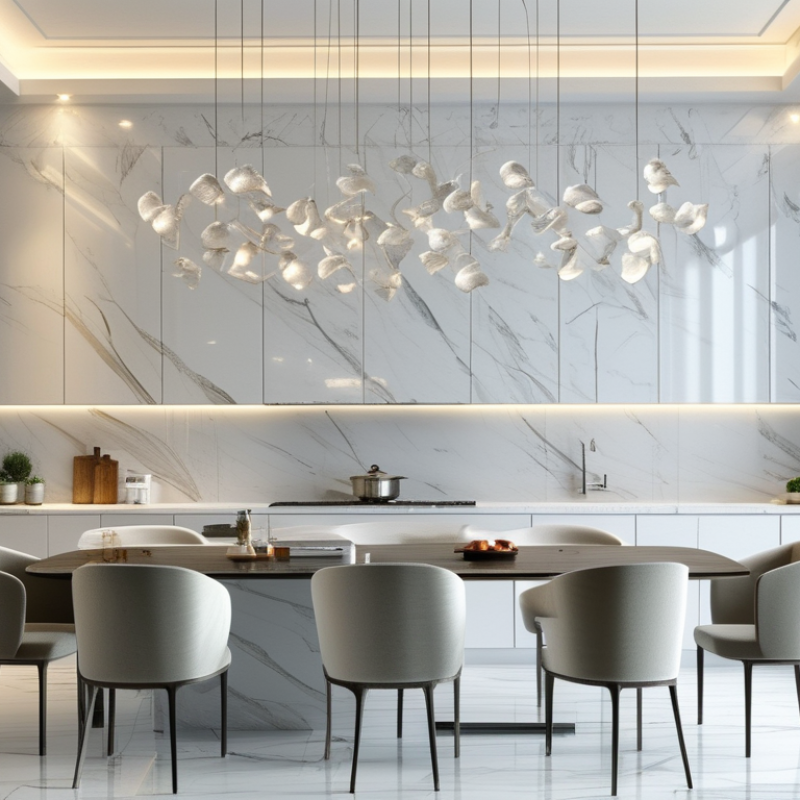
Why is My White Marble Turning Yellow Over Time?

Causes of Yellowing in White Marble Over Time

White marble is prized for its elegance, but it can yellow over time. This discoloration often stems from several factors. Exposure to sunlight can lead to a chemical reaction in the marble, causing a yellow tint. Studies show that ultraviolet rays can break down the marble’s surface. Such reactions evolve based on the marble's mineral composition and the environmental conditions it faces.

Additionally, certain cleaning agents and acidic substances can accelerate yellowing. Using harsh chemicals can damage marble's surface, leading to permanent discoloration. A report from the National Marble Institute indicates that up to 30% of marble maintenance failures are due to improper cleaning techniques. It's crucial to use pH-balanced cleaners. Regular upkeep, including sealing, can significantly slow down these reactions.

Environmental factors play a role too. Areas with high humidity can promote mold growth, contributing to yellowing. Over time, dirt and grime can embed into the stone, creating a dull appearance. It’s a visual reminder that not all surfaces age gracefully. Understanding these causes can help in maintaining the marble’s pristine look. It's an ongoing effort; neglect can lead to irreversible damage.

Chemical Reactions in Marble and Their Role in Color Change

White marble is often praised for its elegance and durability. However, over time, many homeowners notice a troubling color change. The once-bright white surfaces can start turning yellow. This transformation often stems from complex chemical reactions occurring within the marble.

The primary cause of yellowing is the reaction of marble with environmental elements. Marble is a calcareous rock, primarily composed of calcium carbonate. Exposure to acidic substances, such as vinegar or citrus, can lead to a breakdown of this compound. A report by the Marble Institute of America indicates that prolonged acid exposure can create a yellowish hue due to mineral deposits. Additionally, iron content in the marble can oxidize when exposed to moisture, resulting in further yellowing. This process exemplifies how delicate marble can be under specific conditions.

Other factors contribute to the color change as well. For example, UV exposure from sunlight can chemically alter the composition of marble. Over time, these light-induced reactions increase discoloration. Furthermore, sealing products, not suited for marble, may trap moisture and accelerate yellowing. Even regularly cleaning with improper agents can inadvertently enhance staining. Understanding these chemical reactions in marble is crucial for effective maintenance and preserving the natural beauty of this timeless stone.

Environmental Factors Impacting Marble Color Integrity

Marble is prized for its beauty, yet it can lose its luster. One common issue is yellowing over time. This color change can arise from various environmental factors. Exposure to sunlight, high humidity, and pollutants can all contribute to marble's fading integrity. According to a report from the Marble Institute of America, UV radiation significantly degrades the surface of marble, causing discoloration.

Another factor is the presence of moisture. High humidity can lead to mildew growth, which affects appearance. Additionally, acidic compounds in rainwater can erode the surface. A study revealed that sections of marble in urban areas showed 30% more discoloration due to pollution exposure. Such data highlights how vulnerability to the environment can vary widely.

Tips: Regular sealing can help maintain marble's shine and prevent stains. Opt for pH-neutral cleaners designed for stone surfaces. If possible, avoid placing marble in direct sunlight. Monitoring environmental conditions will also help protect its integrity in the long term.

Environmental Factors Impacting Marble Color Integrity

Maintenance Practices to Prevent Yellowing of Marble Surfaces

Maintaining the elegance of white marble can be challenging. Over time, these beautiful surfaces can turn yellow due to various factors. The good news is that simple maintenance practices can help prevent this issue.

Regular cleaning is key. Use a gentle pH-neutral cleaner. Harsh chemicals can damage the marble. Avoid using scrubbing pads that may scratch the surface. Instead, opt for soft cloths. Daily dusting is also crucial. Dust can accumulate, leading to discoloration. Pay attention to high-traffic areas, as they are prone to wear.

Sealing the marble can offer extra protection. A quality sealant creates a barrier against spills and stains. Reapply it as needed. Additionally, keeping marble away from direct sunlight can prevent yellowing. UV rays can accelerate discoloration. Be mindful of moisture. Excess water can seep into the stone. Regularly check for any signs of damage. If discoloration occurs, consult a professional. They can provide specific advice based on the marble type.

Effective marble maintenance requires diligence and care. Small neglects can lead to noticeable changes. Regular attention will preserve the beauty of your marble surfaces. It’s worth it for the long-term appeal.

Restoration Techniques for Discolored White Marble

Discoloration of white marble can be frustrating. Yellowing often results from exposure to sunlight, moisture, or cleaning products. To tackle this issue, restoration techniques are essential. Regular maintenance is crucial in preventing deeper stains. Start by cleaning the surface with a pH-neutral cleaner. Use a soft cloth to avoid scratching the marble.


For more stubborn yellow spots, a poultice made from baking soda and water can work wonders. Apply the paste directly to the stain and cover it with plastic wrap. Leave it for about 24 hours. This technique draws out impurities and can significantly lighten discolored areas.


If the yellowing persists, polishing might be necessary. Using a diamond polishing pad can restore the marble’s original luster. This process requires care, as over-polishing can lead to damage. It's vital to monitor the results and adjust your technique as needed. Ensure that you take breaks to evaluate your work. Restoration can be a learning process, where vigilance and patience often yield the best results.

FAQS

: What causes yellowing in white marble?

: Yellowing occurs due to sunlight exposure, harsh cleaning chemicals, and environmental factors like humidity.

How can I prevent yellowing of my marble?

Regular cleaning with pH-neutral cleaners and soft cloths is essential. Avoid scratches from scrubbing pads.

Why is sealing marble important?

Sealing creates a barrier against stains and spills. Reapplying it regularly can help prevent discoloration.

What should I do if I notice discoloration?

Consult a professional for specific advice. They can suggest appropriate treatments for your marble type.

Can I restore yellowed marble myself?

Yes, use a pH-neutral cleaner or a poultice of baking soda and water. Cover it for 24 hours to lift stains.

What restoration techniques work for stubborn stains?

Polishing with a diamond polishing pad can help, but be cautious to avoid over-polishing.

How important is regular maintenance for marble?

Very important! Neglecting maintenance can lead to significant and irreversible damage to its appearance.

Is sunlight exposure always harmful to marble?

Yes, UV rays can accelerate yellowing and damage the surface over time. Limit direct sunlight exposure.

What can dirt and grime do to marble?

Accumulated dirt can embed into the stone, leading to a dull appearance and promoting discoloration.

What should I monitor while restoring marble?

Watch for changes as you restore. Take breaks to assess your work and adjust techniques as needed.

Conclusion

The article "Why is My White Marble Turning Yellow Over Time?" delves into the various causes behind the discoloration of white marble. It outlines several key factors that contribute to yellowing, including chemical reactions within the marble itself and the environmental influences that can affect its color integrity. Factors such as exposure to moisture, acidic substances, and UV light are highlighted as primary culprits.

Additionally, the article offers insights into maintenance practices that can help prevent this issue, emphasizing the importance of regular cleaning and sealing of marble surfaces. For those who are already facing yellowing, restoration techniques are discussed to help return the marble to its original luster. Overall, the article provides a comprehensive look at why white marble may change color over time and offers guidance for both prevention and restoration.

Aria

Aria

Aria is a dedicated marketing professional with a deep passion for innovative strategies and a keen understanding of our company's product offerings. With a wealth of experience in the industry, Aria excels at crafting engaging content that highlights the unique features and benefits of our......