How to Waterproof Stone in a Steam Shower Effectively?

Time:2026-06-04 Author:Aria
0%

Waterproofing stone in a steam shower is a crucial aspect of maintaining both aesthetics and functionality. The high humidity and temperature in steam showers can lead to significant damage if proper measures are not taken. According to a report by the National Kitchen and Bath Association, 65% of homeowners consider waterproofing essential for bathroom renovations. This highlights the importance of addressing moisture issues effectively.

So, what is the best way to waterproof stone in a steam shower? Professionals recommend using a specialized penetrating sealer designed for natural stone. This type of sealer protects against moisture while allowing the stone to breathe. Research indicates that these sealers can extend the lifespan of stone by up to 50%. However, there’s a common misconception that all sealers are equal, leading to costly mistakes.

It's also important to consider the preparation phase. The quality of the stone and its current condition significantly influence the effectiveness of waterproofing. Before sealing, clean the surface thoroughly and assess for any pre-existing damage. Oversights in this stage could result in mold growth or deteriorating stone. Taking time to reflect on these details ensures a sustainable, beautiful steam shower experience.
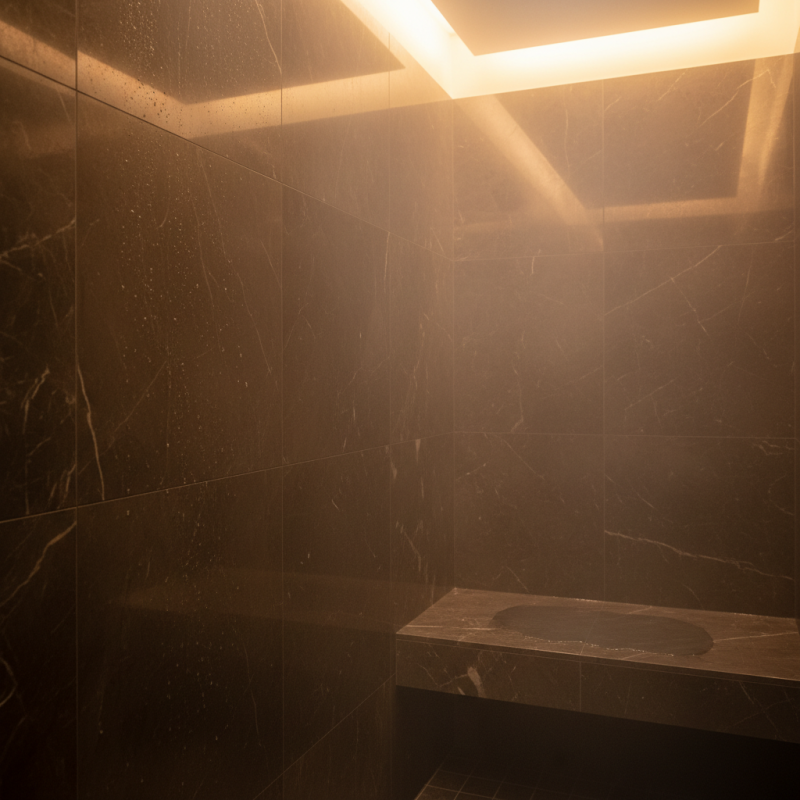
How to Waterproof Stone in a Steam Shower Effectively?

Understanding the Importance of Waterproofing Stone in Steam Showers

Waterproofing stone in steam showers is essential. The high humidity can lead to serious damage over time. Stone is porous, meaning it absorbs water. When moisture seeps in, it can cause stains and deterioration. This process is often unnoticed at first, making it crucial to take preventive action.

Using effective waterproofing techniques safeguards the integrity of the stone. It prevents mold and mildew from growing. A waterproof sealant can help, but applying it evenly is challenging. Sometimes, a thorough surface cleaning is needed before application. Remember, even a small missed spot can lead to issues later.

Monitoring your stone regularly is a good practice. Pay attention to any changes in texture or color. It’s important to address minor issues promptly. Seek professional advice if you're unsure. Taking these steps enhances the longevity of your steam shower and keeps it looking pristine.

Choosing the Right Sealant for Stone Waterproofing

Choosing the right sealant for stone waterproofing is crucial in any steam shower. A suitable sealant protects your investment and prevents moisture damage. Many options exist, but not all are effective. It’s essential to consider the type of stone you have and its porosity. For example, softer stones like limestone may require more specialized products than harder varieties like granite.

Look for sealants that allow for breathability while still providing a strong barrier. Some products may promise enhanced protection but can create a suffocating layer. This can lead to trapped moisture, causing long-term damage. Testing a small area before full application can help determine effectiveness. Also, be aware of the manufacturer’s instructions; improper application can lead to inadequate sealing.

Reflection on your previous experiences can lead to better decisions. Did a sealant fail too soon? Sometimes, what seemed effective at first may reveal issues over time. Analyzing past choices gives insight into what works best for your specific situation. Stay vigilant and informed. This approach ensures your stone retains its beauty without succumbing to moisture.

Waterproofing Effectiveness of Different Sealants for Stone in Steam Showers

This bar chart illustrates the waterproofing effectiveness of various sealants for stone in steam showers, measured as a percentage. Sealant C exhibits the highest effectiveness, while Sealant D shows the lowest performance.

Step-by-Step Process for Preparing Stone Before Sealing

Preparing stone for sealing in a steam shower is crucial for longevity. Cleaning is the initial step. Use a gentle pH-balanced cleaner. Scrub the surface with a soft brush. Rinse thoroughly to remove all residue, as any leftover cleaner can interfere with sealing. Allow the stone to dry completely. This can take time, depending on the type of stone and humidity.


After cleaning, check the stone for any cracks or imperfections. These flaws can trap moisture and lead to damage. Filling these gaps with a suitable stone filler is essential. Once filled, smooth the surface. Sanding may be necessary to ensure an even finish. It's important to note that not all stones respond the same way to treatments. Observing how your specific stone reacts can guide future maintenance.


Sealing is an art. Applying the sealant evenly is important but not always easy. You may need to practice to avoid uneven spots. If your first attempt doesn’t look perfect, that’s okay. Allow the sealant to cure as per instructions. Pay attention to how the stone absorbs the sealant. Some areas may require a second coat. This can help create a uniform barrier against steam and moisture.

Applying the Sealant: Techniques for Even Coverage

Applying sealant to stone in a steam shower requires careful technique for effective waterproofing. Start with a clean surface. Use a suitable stone cleaner to remove any dirt or soap residue. This step is crucial for achieving an even seal. After cleaning, ensure the stone is completely dry. Water trapped in the pores will affect sealant adhesion.

When applying the sealant, use a high-quality applicator such as a foam brush or a lint-free cloth. Apply the sealant evenly, working in small sections. Overlapping strokes can help cover all areas but be mindful of not over-saturating the stone. Aim for a thin, consistent layer, as too much sealant can lead to a sticky surface.

Once applied, you may notice areas that seem uneven or improperly sealed. Don’t hesitate to go back and touch up these spots. It’s easy to miss a corner or edge. Let the sealant cure as recommended, ensuring it bonds properly. Keep a watchful eye for any water pooling after a shower. Tweak your technique based on these observations for better results next time.

Maintenance Tips for Long-Lasting Waterproofed Stone in Shower

Maintaining waterproofed stone in a steam shower requires regular attention and care. Begin by regularly inspecting the stone surfaces. Look for signs of wear or damage. Even small cracks can lead to major problems. If you find any issues, take immediate steps to address them. Repairing these minor flaws early can prevent extensive damage later.

Routine cleaning is essential. Use a pH-balanced stone cleaner, and avoid harsh chemicals. These can strip the waterproofing layer. After cleaning, ensure the surface is thoroughly dry. Moisture left behind can encourage mold and mildew growth. Consider applying a fresh coat of waterproofing sealant every year. This step helps maintain the protective barrier and enhances the stone's durability.

Pay attention to the humidity levels in your bathroom. Steam showers can create a humid environment that may compromise the waterproofing. Use an exhaust fan to reduce moisture levels. This simple action can prolong the life of your waterproofing efforts. Remember, neglecting maintenance can lead to costly repairs. Invest the time now for a worry-free steam shower experience later.

FAQS

: Why is choosing the right sealant crucial for stone?

: A suitable sealant protects the stone and prevents moisture damage. It preserves your investment effectively.

How do I know which sealant to choose?

Consider the stone type and its porosity. Softer stones need specialized products compared to harder stones.

What should I look for in a sealant?

Find sealants that allow breathability while creating a strong barrier. Avoid those that suffocate the surface.

Can I test the sealant before full application?

Yes, testing a small area first can help determine the sealant's effectiveness on your stone.

How should I prepare the stone before sealing?

Clean the stone with a pH-balanced cleaner, scrub gently, and rinse thoroughly. Ensure it’s completely dry.

What if I notice cracks in the stone?

Fill cracks with a suitable stone filler before sealing. This prevents moisture trapping and damage.

Is sealing an easy process?

Sealing can be tricky. Applying the sealant evenly requires practice. Don’t worry if it’s not perfect on the first try.

How can past experiences improve my sealing choices?

Reflect on previous sealant failures. Analyzing these choices helps identify products that work better for your situation.

How do I know if I need a second coat of sealant?

Observe how the stone absorbs the sealant. Some areas may show they need an additional coat for protection.

What are the risks of improper sealing?

Incorrect application can lead to inadequate sealing, resulting in moisture damage and decreased longevity of the stone.

Conclusion

Waterproofing stone in a steam shower is crucial to ensuring its longevity and maintaining its aesthetic appeal. The best way to waterproof stone in a steam shower involves understanding the significance of proper sealing, as steam exposure can lead to moisture damage over time. Selecting the right sealant tailored for stone materials is essential for achieving optimal protection.

The waterproofing process begins with careful preparation of the stone surface, which includes cleaning and drying to ensure optimal adhesion. Following this, applying the sealant evenly using appropriate techniques is key to achieving full coverage. To maintain the waterproofed stone over time, regular maintenance, including periodic resealing and careful cleaning practices, is recommended. This comprehensive approach guarantees a durable and appealing stone finish in steam showers.

Aria

Aria

Aria is a dedicated marketing professional with a deep passion for innovative strategies and a keen understanding of our company's product offerings. With a wealth of experience in the industry, Aria excels at crafting engaging content that highlights the unique features and benefits of our......