When considering outdoor renovations, many people ask, "What is the lifespan of outdoor stone pavers in cold climates?" It's a valid concern for homeowners in regions that endure harsh winters. The durability of stone pavers plays a significant role in their overall value and functionality.
Cold climates introduce challenges such as freezing temperatures and thaw cycles. These conditions can cause pavers to crack or shift. Understanding these factors is essential for making informed choices. While some stone pavers can last decades, others may deteriorate prematurely.
Homeowners must consider the materials, installation methods, and maintenance practices. Not all stone pavers are created equal. High-quality options tend to withstand cold better. However, even the best materials require care to maintain their appearance and integrity. Reflecting on these aspects will help ensure a long-lasting investment in your outdoor space.
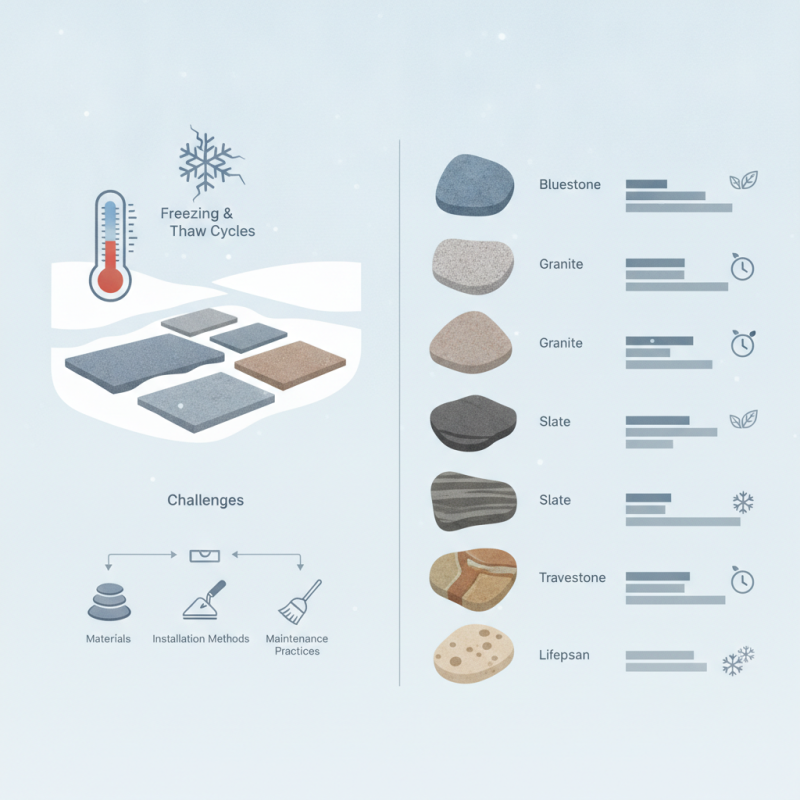
Choosing the right stone pavers for outdoor spaces in cold climates is crucial for longevity and performance. The severity of winter can take a toll on materials, making it essential to select pavers that can withstand freezing and thawing cycles. High-quality natural stones, such as granite or bluestone, are great choices. Their density helps resist cracking and absorption of water, which can freeze and expand, leading to damage.
Proper installation plays a significant role in the lifespan of stone pavers. A well-prepared base and proper drainage can prevent water from pooling, reducing the risk of freeze-thaw damage. Additionally, using sand joints allows for some movement, which can mitigate the stress from expanding ice. Many homeowners overlook these factors, leading to early deterioration of their pavers.
While aesthetics are important, durability should be a priority in cold climates. Some stone pavers may look appealing but do not perform well under harsh conditions. Investing in the right material often means evaluating the cost versus long-term benefits. This decision can determine whether your outdoor area remains beautiful and functional for years to come.
When considering outdoor stone pavers in cold climates, several factors impact their lifespan. Temperature fluctuations can cause thermal expansion and contraction. This leads to cracks in the surface. Ice formation can exacerbate this issue, pushing apart the stone over time. Pavers that are porous absorb water, increasing the risk of damage in freezing temperatures.
Another critical factor is installation quality. Proper drainage is essential to prevent water pooling. If water tends to collect, it can freeze under winter conditions. Additionally, the base material matters. A solid foundation prevents shifting and instability. Regular maintenance, like sealing, also extends paver life. Neglecting these tasks may lead to early deterioration.
Consider winter weather conditions. Frequent snow and ice can result in wear and tear. Salt used to melt ice can erode the surface. Homeowners might find themselves replacing pavers more often if these factors are ignored. Making informed choices about materials and installation can mitigate these challenges, leading to longer-lasting outdoor stone pavers.
| Paver Type | Average Lifespan (Years) | Weather Resistance | Maintenance Requirements |
|---|---|---|---|
| Natural Stone | 50+ | High | Low |
| Concrete Pavers | 30-40 | Medium | Medium |
| Brick Pavers | 25-50 | Medium | Low |
| Slate Pavers | 30-100 | High | Medium |
| Travertine Pavers | 20-50 | Medium | High |
| Granite Pavers | 50+ | Very High | Low |
| Porcelain Pavers | 30-50 | High | Medium |
| Recycled Rubber Pavers | 10-20 | Medium | Low |
| Limestone Pavers | 20-30 | Medium | High |
| Basalt Pavers | 50+ | Very High | Low |
When considering durable stone pavers for cold climates, frost resistance is crucial. Certain materials excel in this area, offering longevity and reliability. Granite is among the top choices. Its density and low water absorption ensure minimal damage from freezing temperatures. Additionally, basalt is another excellent option. It can withstand harsh weather conditions without succumbing to cracks.
Sedimentary stones like limestone can be problematic. They absorb more water and might not perform well in freeze-thaw cycles. On the other hand, slate boasts impressive durability. Its natural layers add to its resilience while enhancing aesthetic appeal. When selecting materials, it’s important to look at the installation method. Proper drainage and base preparation significantly affect performance.
Some choices might seem appealing due to cost, but think twice. Cheaper options may lead to frequent repairs. Investing in quality pavers can save money in the long run. Your selection should reflect local climate conditions and personal preferences. Make informed decisions to enhance outdoor spaces effectively.
Cold climates present unique challenges for outdoor stone pavers. Proper maintenance is crucial to extend their lifespan. Regular inspection is essential. Look for cracks or chips after harsh weather. Repairing these problems promptly can prevent further damage, especially during freeze-thaw cycles.
Retaining moisture is a significant concern. Applying a quality sealant every few years greatly reduces water absorption. This is particularly important in areas that experience heavy snowfall. According to industry studies, properly sealed pavers can last 30% longer than unsealed ones in cold regions. It's also wise to regularly clear debris and snow to prevent mold and ice formation.
Using the right cleaning methods is vital. High-pressure washing can damage pavers, leading to uneven surfaces. Instead, opt for gentle cleaning solutions. Research indicates that a mix of vinegar and water can effectively cleanse without causing harm. Frequent, careful maintenance is key, as neglect can lead to costly replacements in the long run.
Keep an eye on grout and joint materials; they need attention too. Regular care pays off.
When considering outdoor stone pavers for cold climates, lifespan and performance become crucial factors. It’s essential to evaluate how different types of stone pavers react to freezing temperatures, snow, and ice. Variations in porosity and density can significantly affect their durability. Some stones fare better in extreme conditions, while others may crack or deteriorate over time.
In a comparative analysis, factors like freeze-thaw cycles are pivotal. Pavers with a lower water absorption rate often withstand severe winters more effectively. However, even high-quality pavers can suffer from efflorescence or surface degradation. The presence of salt on roads and walkways further complicates matters, accelerating wear on the stone.
Maintenance also influences lifespan. Regular sealing can help prevent water infiltration, but this requires diligence. Not all homeowners prioritize upkeep, leading to premature deterioration. Uneven settling of pavers can create cracks as well. While many assume that all stone pavers will perform uniformly, real-world conditions often reveal gaps in expectations and actual results.
: The right paver ensures durability and longevity, withstanding freezing and thawing cycles that could cause damage.
High-density natural stones like granite or bluestone resist cracking and water absorption, making them ideal options.
Proper installation with a solid base and good drainage prevents water pooling, reducing freeze-thaw damage risks.
Sand joints allow for movement, helping to mitigate stress caused by expanding ice, which can extend paver life.
Porous pavers absorb water, increasing the risk of cracking in freezing temperatures and potential long-term damage.
Regular sealing and maintenance help prevent water infiltration, which is crucial for longer-lasting performance of pavers.
Aesthetics may attract homeowners, but many overlook durability, resulting in premature deterioration under harsh conditions.
Frequent snow, ice, and road salt can cause wear and tear, often leading to more frequent replacements if ignored.
Poor drainage can lead to water pooling, making the pavers more susceptible to freeze-thaw damage over time.
Understanding variations in porosity and density can lead to informed decisions, ultimately affecting performance in cold climates.
When considering outdoor stone pavers in cold climates, understanding their longevity is crucial. This article explores the factors influencing the lifespan of these materials, emphasizing the importance of selecting the right stone pavers to withstand harsh weather conditions. Key elements include frost resistance, durability, and proper installation techniques, all of which play a significant role in extending the life of outdoor stone pavers.
The lifespan of outdoor stone pavers in cold climates can vary significantly depending on the material used and maintenance practices adopted. We delve into the top ten durable stone paver materials recognized for their frost resistance and durability. Additionally, the article provides valuable maintenance tips that can further enhance the longevity of stone pavers, ensuring they remain functional and aesthetically pleasing for years to come. By understanding these critical aspects, homeowners can make informed decisions about their outdoor stone paver selections and maintenance routines.
Aura Stone