Why Do Some Stones Sweat Or Show Condensation Effects?

Time:2026-06-10 Author:Amelia
0%

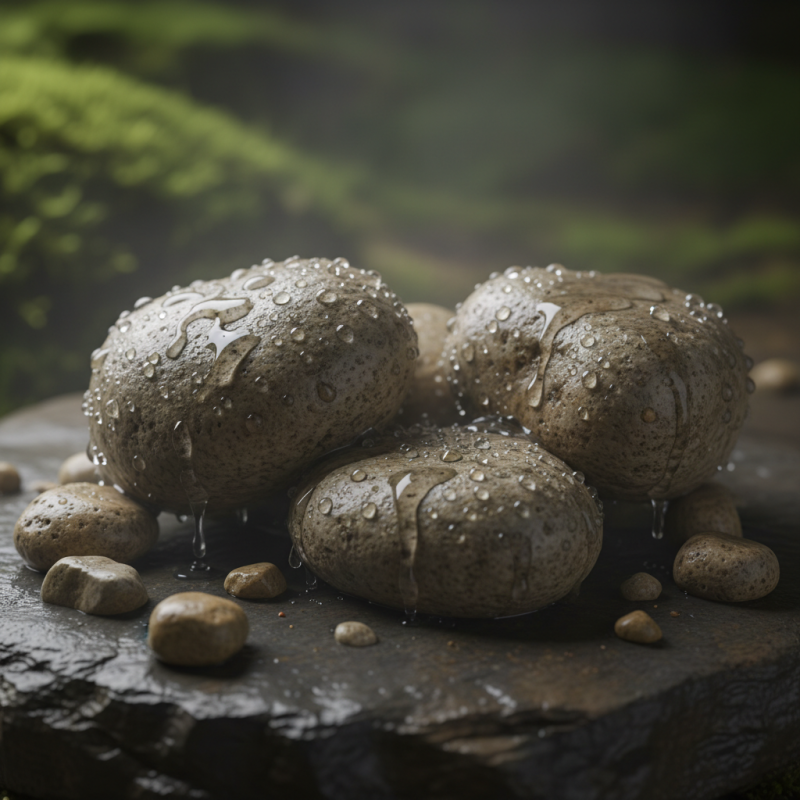
The phenomenon of stones sweating or showing condensation raises intriguing questions. Why do some stones sweat or show condensation? This natural occurrence is more than an aesthetic curiosity; it is rooted in science. Stones can absorb moisture from the air, leading to condensation on their surfaces.

When temperatures drop, the moisture within the stones can condense. Factors like humidity levels and stone type play a role in this process. For example, porous stones tend to absorb more water. This characteristic can create unexpected effects, leading to what appears as "sweating." Observing this phenomenon deepens our understanding of material properties and environmental interactions.

While it’s easy to overlook, these small details reveal significant truths about the world around us. Understanding why some stones sweat or show condensation invites further reflection on our interactions with nature. It encourages us to ponder the complexities and nuances inherent in everyday experiences. This awareness can spark curiosity and deeper insights into both natural phenomena and scientific principles.
Why Do Some Stones Sweat Or Show Condensation Effects?

Understanding the Phenomenon of Stone Condensation and Sweating

Stone condensation and sweating occur due to temperature differences and humidity levels. When warm, moist air comes into contact with a cool stone surface, condensation forms. This phenomenon is particularly common in natural stones, like granite or marble, found in buildings and monuments. According to the American Society of Mechanical Engineers, stone surfaces can significantly affect indoor humidity levels, impacting air quality and comfort.

Factors influencing stone sweating include the stone's porosity and the temperature gradient. Highly porous stones absorb moisture more readily, leading to visible sweating. A study from the Journal of Building Physics reveals that proper ventilation can reduce condensation risks by up to 70%. It's essential to understand these dynamics when selecting stones for construction or design purposes.

Tips: To minimize condensation on stones, consider using sealed finishes. Regularly monitor humidity levels in the surrounding environment. Maintaining a consistent temperature helps reduce the chances of stone sweating. Understanding the behavior of different stones can lead to better decision-making in architectural design. Observing these aspects helps in achieving durability and aesthetics.

Factors Contributing to Condensation on Stones and Surfaces

Condensation on stones is a fascinating phenomenon influenced by several environmental factors. When stones are cooler than the surrounding air, moisture can condense on their surfaces. This is often observed in natural settings where temperature fluctuations occur. For instance, data from the American Society of Civil Engineers reveals that temperature differences of just 5 degrees Celsius can lead to significant condensation.

Humidity plays a crucial role as well. In high-humidity environments, stones are more likely to "sweat" due to the saturation of air with moisture. Research shows that stones can retain heat, causing water vapor in the air to cool down rapidly on contact. Moreover, porous stones absorb moisture, which can lead to internal condensation over time. A study by the Journal of Materials Science indicated that certain stones can soak up to 30% of their weight in water.

Surface texture also affects condensation. Smooth surfaces are less prone to trapping moisture compared to rough ones. This variances in texture influence the rate of evaporation and condensation. Observations in hot and humid climates consistently show that stone surfaces with irregular patterns retain moisture longer, enhancing condensation effects. Such insights contribute to our understanding of stone behavior in varied environments.

The Role of Humidity and Temperature in Stone Sweat Behavior

Humidity and temperature significantly impact stone sweat behavior. When the air holds a high level of moisture, stones can appear to sweat. This phenomenon primarily occurs in environments with high humidity levels, typically exceeding 80%. As surfaces cool, moisture in the air condenses on the stone. Research from the American Institute of Architects shows that stone materials can lose approximately 1% of their mass due to water.

Understanding these effects requires observing environmental conditions. On hot days, stones retain heat, while cooler nights create a drastic temperature drop. The result is the cooling of the stone surface, leading to condensation formation. Studies indicate that temperature differences of just a few degrees can trigger this process effectively. In places with frequent temperature swings, stone sweat might be more pronounced.

However, not all stones react the same way. Some materials, like limestone, absorb moisture much faster than granites. This inconsistency can be puzzling for builders and architects. Different stones also exhibit variations in porosity, which affects their condensation behavior. This complexity highlights the need for careful consideration in construction projects involving natural stone.

Stone Sweat Behavior Based on Humidity and Temperature

This chart displays the condensation rates observed in stones under varying humidity levels. As humidity increases, the condensation rate on stones also rises, highlighting the relationship between environmental conditions and stone sweat behavior.

Scientific Explanations: Moisture Absorption and Release in Stones

Stones can exhibit interesting condensation effects under certain conditions. Understanding this phenomenon requires exploring how stones absorb and release moisture. When humidity levels rise, water vapor in the air can condense on colder stone surfaces. This is often observed in porous stones, which can absorb moisture more easily than dense stones.

The specific structure of a stone influences its moisture absorption. Porous stones have small air pockets that trap water. When temperatures drop, these stones may "sweat" as moisture released from these pockets condenses on their surfaces. This process can create an intriguing visual effect, especially in changing weather conditions.

Tips: If you want to reduce moisture accumulation on stones, consider improving ventilation in the area. Ensure that stones are not in direct contact with constant water sources. Regular inspection can help identify stones that are more prone to condensation.

Stone types matter. Dense stones may not sweat as much, but they can still show condensation effects. Observing this can be a reminder of how natural materials interact with their environment. It’s important to reflect on these interactions for both aesthetic and practical purposes. Understanding moisture dynamics leads to better maintenance and care for natural stone settings.

Real-World Applications: Impacts of Stone Condensation in Construction

Condensation effects in stones can significantly influence construction. Some stones may appear to sweat under certain conditions. This phenomenon usually occurs when warm, moist air meets cooler stone surfaces. The change in temperature causes moisture to condense, creating visible water droplets.

In buildings, this can lead to serious issues. Moisture trapped in stone can weaken the material over time. It may promote mold growth, which is detrimental to indoor air quality. Unsightly water stains can also damage aesthetic appeal. Proper ventilation and insulation in walls can help mitigate these issues. Using breathable materials may allow moisture to escape, reducing condensation risks.

It's crucial to recognize the variability of stone types. Each type can react differently to moisture and temperature. Understanding local climate and stone properties is vital for effective construction. Many builders overlook these factors, risking long-term damage. Preemptive strategies in design can save costs and maintain structural integrity. Effective planning requires ongoing research and adaptation to new evidence.

Why Do Some Stones Sweat Or Show Condensation Effects? - Real-World Applications: Impacts of Stone Condensation in Construction

Stone Type Condensation Potential (%) Thermal Conductivity (W/m·K) Humidity Retention Capacity (%) Common Uses
Granite 15 2.5 5 Countertops, Wall Cladding
Limestone 25 1.7 15 Building Facades, Flooring
Marble 20 2.1 10 Tiles, Sculptures
Sandstone 30 1.5 20 Patios, Retaining Walls
Slate 10 0.9 7 Roofing, Flooring

FAQS

: What causes stones to appear to sweat?

: High humidity levels cause moisture to condense on cooler stone surfaces, creating a sweating effect.

How does temperature affect stone behavior?

Temperature differences, especially drastic changes at night, can trigger condensation on stone surfaces.

Do all stones react similarly to humidity?

No, some stones like limestone absorb moisture faster than denser stones like granite.

What are the implications of condensation on stones in construction?

Condensation can weaken stones, promote mold growth, and cause aesthetic issues like water stains.

How can moisture accumulation on stones be reduced?

Improving ventilation and avoiding constant water contact helps reduce moisture accumulation on stones.

Why is it important to consider stone type in construction?

Different stones exhibit varying responses to moisture and temperature, impacting long-term durability and maintenance.

What role does ventilation play in managing stone condensation?

Proper ventilation helps to mitigate moisture build-up, preventing potential damage from condensation.

How can builders prevent long-term issues with stone condensation?

Implementing preemptive design strategies and considering local climate are essential for effective construction.

What should be done for stones showing signs of condensation?

Regular inspections should be conducted to identify stones prone to condensation and address issues accordingly.

Are there aesthetic considerations to keep in mind with stone condensation?

Yes, visible water stains can detract from the beauty of stone surfaces, requiring careful maintenance.

Conclusion

The phenomenon of stone sweating or condensation, encapsulated in the question "Why do some stones sweat or show condensation," is largely influenced by environmental factors such as humidity and temperature. When the air around stones contains a high amount of moisture and temperatures fluctuate, stones can absorb water vapor, leading to the appearance of condensation on their surfaces. This behavior is a result of the stones’ ability to absorb and release moisture, affected by their composition and porosity.

Understanding the scientific principles behind this moisture exchange is essential, especially in construction and architecture, where stone condensation can have significant implications. The effects can lead to aesthetic issues or structural problems if not properly managed. Recognizing how different stones react under varying humidity and temperature conditions is crucial for maintaining the integrity and appearance of stone structures in real-world applications.

Amelia

Amelia

Amelia is a seasoned marketing professional with a wealth of expertise in our company’s core offerings. With an unwavering passion for driving growth and innovation, she plays a pivotal role in shaping our marketing strategies and enhancing brand visibility. A key aspect of her responsibilities......