Identifying high-quality quartzite can often be a complex task. Many stones labeled as quartzite are not truly genuine. According to Mason Adams, a leading expert in natural stone, “True quartzite is incredibly durable and has unique visual patterns.” This insight highlights the importance of distinguishing authentic quartzite from fakes.
To learn how to identify high-quality quartzite from fakes, one must observe key characteristics. Real quartzite has a glassy sheen. The colors are often vivid and striking, displaying natural variations. Look closely at the surface; it should feel smooth yet hard. However, distinguishing these features requires practice and a trained eye.
Pay attention to labeling as well. Often, sellers mislabel. Testing samples can provide clarity, but some methods may seem daunting. It’s vital to consult knowledgeable experts when in doubt. Striking the balance between aesthetics and authenticity is essential. Misjudging can lead to poor choices and regret in renovations.
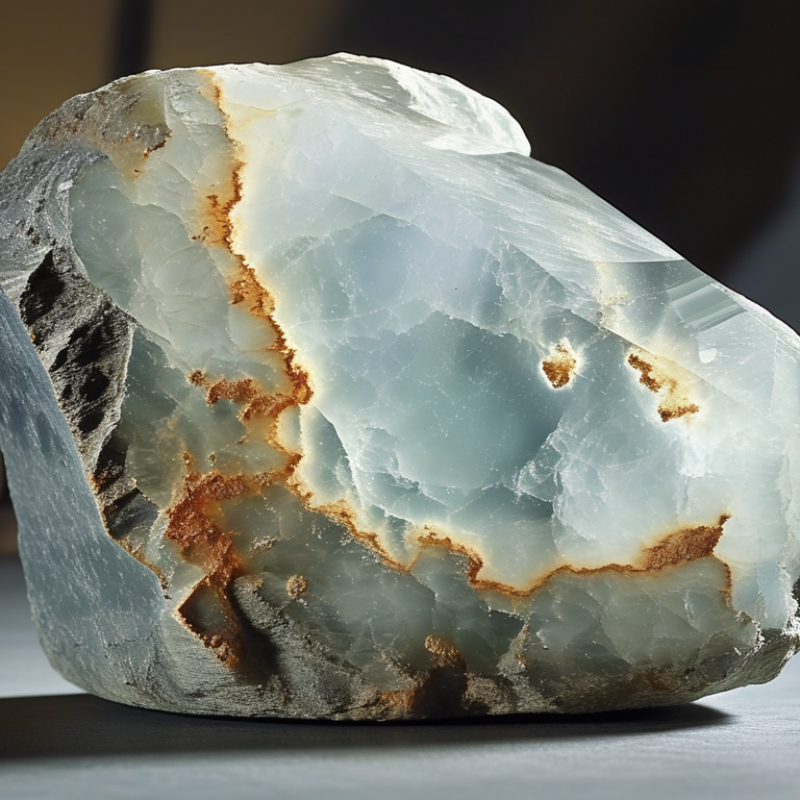
When looking for genuine high-quality quartzite, certain key characteristics will help you differentiate it from lower-quality versions. Authentic quartzite typically displays a unique mix of colors and patterns. Expect to see hues ranging from white and gray to vibrant shades like blue and green. The natural veining of the stone adds to its beauty and makes each piece one-of-a-kind.
Feel the surface of the stone. Genuine quartzite has a hard, dense texture. If it feels too smooth or overly polished, it may be a sign of an artificial product. Scratch tests can be revealing; a true quartzite will not scratch easily. This hardness is a sign of its strength and durability, which is essential for countertops and flooring.
**Tips:** Examine the material under bright light. The interplay of colors may shift, revealing the true depth of the stone. Also, trust your instincts. If something feels off about the quality, it probably is. Always seek samples before making a final decision. Quality matters; it impacts both appearance and longevity.
Quartzite is a metamorphic rock formed from sandstone. The process involves intense heat and pressure, transforming the original material. This geological transformation creates a dense, hard stone. The mineral composition varies, often containing over 90% quartz. Genuine quartzite boasts remarkable durability and resistance to weathering.
In contrast, imitations may include engineered stones or alternatives like glass. These products do not undergo the same natural processes. Reports suggest that the global quartzite market was valued at over $7 billion in 2020. Genuine quartzite's unique formation contributes to its aesthetic appeal. The natural patterns and colors cannot be replicated easily. Recognizing these details is crucial for buyers.
Authentic quartzite displays a varied texture and glossy finish. In contrast, man-made slabs may appear too uniform. Look for inconsistencies in veining and color. Often, real quartzite feels cooler to the touch. This is due to its density. Further, genuine pieces are heavier than lighter imitations. Verify the source and ask for geological certifications. This adds a layer of trustworthiness to your purchase.
| Characteristic | Genuine Quartzite | Fake Quartzite |
|---|---|---|
| Color Variability | Natural, can include diverse hues | Uniform or overly bright colors |
| Texture | Grainy, hard, slightly rough | Smooth and shiny surface |
| Strength | Very high, resistant to scratches | Lower; can be scratched easily |
| Translucency | Can be translucent in thin sections | Opaque and lacks translucency |
| Origin | Formed from sandstone under heat and pressure | Man-made or synthetically produced |
| Cost | Higher due to natural sourcing | Typically lower and more affordable |
When it comes to identifying genuine high-quality quartzite, analyzing color patterns and veining is crucial. Authentic quartzite often exhibits unique vein structures. These veins can range from delicate wisps to bold, dramatic lines. According to industry reports, over 70% of natural stone investors prioritize vein characteristics when selecting quartzite. Observing these patterns helps distinguish real quartzite from engineered materials.
The color of authentic quartzite is equally telling. Genuine variants typically showcase earthy tones—such as beige, gray, and sometimes hints of green or blue. Contrast this with fakes, which may display overly uniform colors, lacking the depth of real stone. Furthermore, natural quartzite often has a translucent quality, allowing light to diffuse through, creating a warm glow. A 2022 study found that color depth significantly influences customer preferences, impacting over 65% of buying decisions in the stone market.
Evaluating the surface texture is another critical aspect. High-quality quartzite should feel smooth yet textured, differing from the polished uniformity of artificial stones. Microscopic analysis shows that natural stones possess variations in their mineral composition. These imperfections contribute to their beauty. They remind us that nothing is perfect. Acknowledging these nuances is key to spotting quality quartzite. Balancing visual appeal and authenticity leads to more informed choices in design applications.
When evaluating quartzite, one key aspect to consider is its hardness and durability. Quartzite generally ranks between 7 and 8 on the Mohs scale, indicating significant resistance to scratching. In contrast, a lower-grade quartzite may score under 7, making it less suitable for high-traffic areas. When testing, scratch the surface with a steel object or quartz; genuine quartzite should resist these indentations.
Another critical test is observing the durability against heat. True quartzite can withstand high temperatures without damage, while inferior versions might show signs of thermal sensitivity. A professional report from the Natural Stone Institute notes that durable stones maintain their integrity even in extreme conditions. Verifying the stone's source is equally essential; reputable suppliers provide documentation about their products' geological origin and tested properties. Remember, while visual appeal is vital, the hidden qualities often dictate longevity and performance.
Experiencing discrepancies in actual performance versus claimed durability is not uncommon. Some customers have reported instances where their quartzite surfaces did not hold up as expected, pointing to potential mislabeling. Thus, seeking independent testing and consulting expert resources can provide confidence. Always prioritize genuine quality over price to ensure lasting satisfaction.
When shopping for quartzite, understanding market trends is crucial. The price of genuine quartzite can vary significantly based on its quality and source. Real quartzite generally ranges from $50 to $100 per square foot, depending on factors like color and pattern. In contrast, fake or engineered options may only cost $20 to $50 per square foot. This disparity often leads to confusion among buyers.
Many consumers are unaware of the differences. Some may even mistake engineered stone for natural quartzite due to similar aesthetics. However, the longevity and durability of genuine quartzite are superior. It can withstand heat and scratches better than its fake counterparts. Be cautious—sometimes a lower price may indicate lower quality, resulting in future expenses for repairs or replacements.
To enhance your decision-making, consider looking for specific features. Genuine quartzite typically has a grainy texture and natural patterns. Fake versions often appear overly uniform. Remember, making an informed choice requires attention to detail. Don't hesitate to ask questions about the stone's origin and composition. Quality matters, and a little research can lead to better investments in the long run.
: Look for unique colors and patterns. Authentic quartzite has a mix of hues and distinct veining.
Genuine quartzite feels hard and dense. If it’s too smooth, it may not be real.
No, a true quartzite will not scratch easily. This hardness shows its strength and durability.
Quartzite is formed from sandstone under intense heat and pressure, creating a hard stone.
Imitations may have uniform textures and colors. They rarely have the natural variation of authentic quartzite.
Typical prices range from $50 to $100 per square foot, depending on quality and source.
Lower prices may indicate lower quality. This can lead to expensive repairs or replacements later.
Real quartzite often feels cooler to the touch and is usually heavier than fake versions.
Always seek samples and examine the stone under bright light. Ask questions about its origin.
Knowledge helps distinguish between genuine and fake options. Quality directly impacts longevity and appearance.
In the quest for understanding how to identify high-quality quartzite from fakes, it is essential to focus on several key characteristics. Genuine quartzite can be recognized by its unique geological formation, which sets it apart from imitations made from other materials. Analyzing its color patterns and veining is crucial, as authentic quartzite exhibits distinct and natural variations that fakes often lack.
Additionally, evaluating the hardness and durability of quartzite plays a significant role in quality assessment. Testing its resistance to scratches and chips can further differentiate genuine products. Lastly, being aware of market trends and pricing comparisons between real quartzite and imitation options will inform buyers about the value of their investment. By following these guidelines, consumers can become adept at spotting high-quality quartzite amidst a market filled with fakes.

Aura Stone