When it comes to maintaining unsealed limestone, wine stains can be a significant challenge. Unsealed limestone is porous and vulnerable, often absorbing spills quickly. According to Dr. Emily Thornton, a leading expert in stone care, "Immediate action is crucial when dealing with stains on limestone." Her insight emphasizes the urgency of addressing wine stains effectively.
To understand how to remove wine stains from unsealed limestone, one must first grasp the nature of the stone. Limestone is a beautiful yet delicate material that enhances the aesthetic of any space. However, without proper care, its beauty can be marred by unsightly stains. Each wine spill represents a potential long-term issue, especially if ignored.
When facing a stain, consider the tools and solutions required. Specialized cleaners designed for natural stone are essential. Remember, the goal is to lift the stain without damaging the stone's surface. Taking the time to learn about stain removal can protect your investment and preserve the integrity of your limestone surfaces over time.
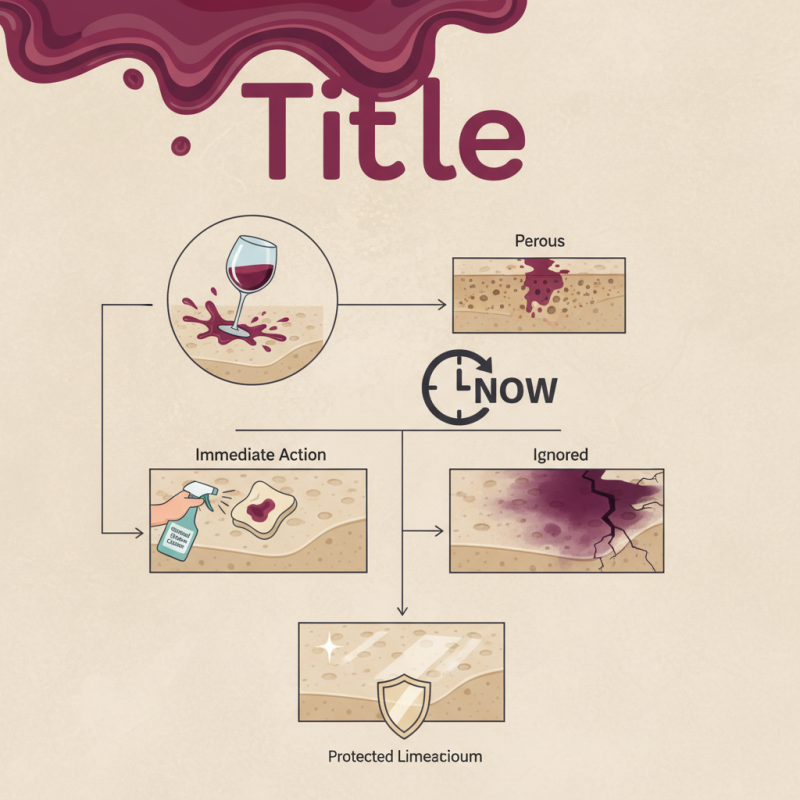
Unsealed limestone is beautiful but porous. This means it absorbs liquids quickly, including wine. If a spill occurs, the stain can set in within minutes. Removing these stains promptly is essential to maintain the stone's natural beauty. Delaying cleanup can lead to permanent damage.
When wine seeps into unsealed limestone, it can alter the stone's color. You may end up with unsightly reddish marks that detract from the overall look. Cleaning requires a specific approach to prevent further damage. Using harsh chemicals can worsen stains or cause etching. Always opt for gentle cleaning solutions and soft cloths.
Consider the environment where your limestone is situated. Areas with high traffic are more prone to accidents. Be mindful of situations that could lead to spills. Regularly sealing the stone can also improve its resistance to stains. Taking these proactive measures can save you time and effort in the long run. Reflecting on past cleaning mishaps can help you develop better strategies for maintaining your limestone surfaces.
Unsealed limestone is highly porous, which presents unique challenges. This porosity means that wine stains can penetrate the stone deeply. Once absorbed, removing these stains becomes increasingly difficult. A study published by the National Stone Institute highlights that unsealed limestone can absorb up to 15% of its weight in liquid. This significant absorption rate means spills can lead to serious, long-term damage.
Understanding the implications of this porosity is crucial. For example, a spilled glass of red wine can leave a permanent mark if not addressed quickly. The porous structure allows stains to spread rapidly. Even a small stain could indicate larger issues beneath the surface. As such, immediate action is needed to mitigate damage. Experts recommend blotting the stain gently, not wiping, to prevent further penetration.
The maintenance of unsealed limestone requires diligence. Regular sealing is advisable to protect against spills. Long-term exposure to liquids can lead to dullness and discoloration. Unfortunately, many homeowners underestimate this risk until it’s too late. Awareness of the stone's inherent characteristics can save money and effort in the long run. Failing to recognize these vulnerabilities can lead to costly restoration efforts later on.
Unsealed limestone is particularly vulnerable to wine stains. These stains can permeate the porous surface quickly, causing long-lasting discoloration. Immediate action is crucial when dealing with spills. Otherwise, the stain can set, making it much harder to remove.
To effectively eliminate wine stains, start by blotting the area with a clean cloth. Avoid rubbing; this can push the stain deeper. After blotting, combine warm water with a few drops of mild dish soap. Use a soft sponge to gently scrub the area. Rinse thoroughly to remove any soap residue. For stubborn stains, a paste of baking soda and water may help. Apply it to the stain and let it sit for 10-15 minutes before rinsing.
Avoid harsh chemicals, as they can damage the limestone. Always test any cleaning method in a small, inconspicuous area first. Regular maintenance is vital for unsealed limestone surfaces. Sealants can provide an additional layer of protection for your stone, potentially mitigating future stains. However, remember that no method is foolproof. Regular care and quick action are your best allies in keeping limestone pristine.
Unsealed limestone surfaces are particularly vulnerable to wine stains. The porous nature of limestone allows liquids to seep deep into the stone. This absorption causes discoloration and unpleasant odors over time. The beauty of your limestone can fade quickly if wine spills are neglected. Immediate action is crucial to prevent permanent damage.
Long-term neglect can lead to irreversible effects. Stains might turn into darker patches, altering the aesthetic of your space. Mold and mildew can also develop within the porous texture. This can compromise the integrity of the stone and lead to costly repairs. Maintaining unsealed limestone is not just about appearance; it’s about preserving the quality of the material.
When faced with wine stains, prompt cleaning is essential. Using appropriate cleaning methods protects the stone's surface. If wine spills go unnoticed, they may leave behind a lasting mark. Reflect on the importance of timely care for your limestone. Protecting your investment ensures the longevity and beauty of your stone surfaces.
Unsealed limestone is notoriously porous. This characteristic makes it especially vulnerable to staining from substances like wine. According to industry reports, over 70% of homeowners experience staining on natural stone surfaces. The presence of these unsightly marks can diminish the aesthetic appeal of your home. Beyond appearances, 60% of property owners report that stains can lead to more extensive damage over time, increasing maintenance costs.
Research indicates that wine stains can penetrate unsealed limestone surfaces within minutes. Once absorbed, these stains are not only difficult to remove but can also promote bacterial growth. A study published by the Natural Stone Institute highlights that nearly 40% of natural stone professionals encounter staining issues. This points to the critical need for timely maintenance and care, particularly for unsealed materials.
The financial impact of ignoring stains on limestone is significant. Property owners may face repair bills that exceed typical cleaning costs by more than 150%. This alarming statistic emphasizes the importance of immediate stain removal. Investing in proper treatment and preventive care helps to maintain the integrity of natural stone. It also preserves its aesthetic value, ultimately contributing to the longevity of your property.
: Wine stains can set in within minutes. Prompt removal helps maintain the stone's natural beauty.
Delaying cleanup can lead to permanent damage. Stains may alter the stone's color and appearance.
Use gentle cleaning solutions and soft cloths. Harsh chemicals can worsen the stain and cause etching.
Yes, high-traffic areas are more likely to experience spills. Be mindful of situations that can lead to accidents.
Regular sealing can improve resistance to stains. This proactive measure can save time and effort later.
Stains can increase maintenance costs and lead to extensive damage. Repair bills may exceed cleaning costs significantly.
Yes, absorbed stains can promote bacterial growth. It's essential to address them to avoid health risks.
Over 70% of homeowners report staining on natural stone surfaces. It's a common concern that needs attention.
Reflecting on past mishaps can help develop better maintenance strategies. Learning from mistakes is essential.
Ignoring stains can lead to repair costs that exceed standard cleaning by more than 150%. It's a significant issue.
Removing wine stains from unsealed limestone is crucial due to the stone's high porosity, which makes it prone to absorbing liquids and stains quickly. Prompt action is essential; otherwise, the stains can become deeply embedded, leading to permanent discoloration and damage. Understanding the properties of unsealed limestone helps highlight the importance of swift stain removal.
To effectively address wine stains, various methods can be applied, including using absorbent materials and gentle cleaning solutions. Neglecting these stains not only affects the surface's appearance but can also lead to long-term repercussions, such as deterioration of the stone. Industry statistics show that stained natural stone materials can significantly decrease in value and aesthetic appeal, underscoring the necessity of knowing how to remove wine stains from unsealed limestone.
Aura Stone