Why is Regular Sealing of Granite Essential for Longevity?

Time:2026-05-05 Author:Aria
0%

Granite is a popular choice for countertops and flooring, known for its durability and elegance. However, granite requires careful maintenance to ensure its longevity. Why does granite need to be sealed regularly? According to the Natural Stone Institute, unsealed granite can absorb spills, leading to stains and potential damage. Regular sealing can significantly enhance the lifespan of granite surfaces.

Research indicates that properly sealed granite can remain resilient for years. For instance, a study by Granite Shield reveals that granite countertops, when sealed every one to three years, can resist staining and etching. Yet, many homeowners overlook this critical task. A report from the National Association of Home Builders indicates that nearly 50% of homeowners do not know when their surfaces need resealing.

Failing to seal granite can lead to costly repairs or replacements. In practice, some homeowners discover stains on their granite only after they have become permanent. This highlights the importance of routine maintenance. Taking proactive steps can prevent significant issues and ensure that granite surfaces remain beautiful and functional over time.
Why is Regular Sealing of Granite Essential for Longevity?

Importance of Sealing Granite for Durability

Sealing granite is crucial for enhancing its durability. Granite surfaces are porous, allowing liquids to seep in and cause lasting damage. According to Stone World magazine, approximately 80% of granite countertops without proper sealing show signs of staining within a year. Regular sealing not only prevents this but also maintains the surface's aesthetic appeal.

Industry experts recommend sealing granite every six to twelve months. A report from the Natural Stone Institute indicates that properly sealed granite can last for decades. However, neglecting this maintenance can lead to costly repairs. Cracks and discoloration from spills can affect the stone's integrity. It's not just about aesthetics; it's about safeguarding your investment.

The process of sealing is not foolproof either. Improper application of sealants can leave surfaces unprotected. Some homeowners believe once sealed, their granite is invulnerable. This misconception can lead to mistakes and unexpected damage. Understanding the right products and techniques is vital for effective sealing. A little knowledge in this area can go a long way in preserving the beauty and longevity of granite surfaces.

Understanding the Composition of Granite and Its Vulnerabilities

Granite is a popular choice for countertops and flooring. Its composition includes quartz, feldspar, and mica, giving it unique beauty and durability. However, these natural stones have vulnerabilities that can affect their longevity. Although granite seems hard, it is still porous. This means liquids can seep in and cause staining or damage over time.

Regular sealing is crucial to protect granite's surface from these vulnerabilities. A well-sealed surface repels spills and prevents messy stains. However, many homeowners overlook this task. They might think that granite is invincible. This misconception can lead to costly repairs or replacement down the line.

Understanding the need for sealing granite is part of responsible home maintenance. While granite can withstand heat and scratches, it is not bulletproof. Improper care can diminish its aesthetic appeal. Many people regret neglecting their granite surfaces only after it’s too late. A proactive approach to sealing can maintain granite's beauty and extend its lifespan significantly, ensuring it remains a cherished part of your home for years.

Frequency and Timing of Granite Sealing for Best Results

Sealing granite surfaces is crucial for their longevity. Industry reports indicate that granite can absorb liquids and stains. Regular sealing prevents this absorption, keeping the stone looking new. The recommended frequency for sealing granite is typically every six to twelve months. However, this can vary depending on usage and local conditions.


Timing also plays a vital role in the sealing process. It is ideal to seal granite after installation or when a new finish is applied. Seasonal changes can affect how often sealing should be done. For example, in humid climates, moisture can quickly penetrate the stone. Additionally, kitchens that experience heavy cooking should be sealed more often due to exposure to oils and spills.


Maintaining a sealing schedule requires attention. Many homeowners underestimate the wear on their granite. Signs that it's time to reseal include water pooling or dark spots appearing. Addressing these issues promptly can prevent costly repairs down the line. Neglecting this maintenance can lead to etching and staining, which might be irreversible without professional restoration.

Steps for Properly Sealing Granite Surfaces

Sealing granite surfaces is crucial for their longevity. The process protects the porous material from stains and damage. Research shows that unsealed granite can absorb liquids, which leads to discoloration. Regular sealing can extend the life of granite countertops significantly. Experts recommend sealing every six to twelve months, depending on usage and the specific granite type.

To properly seal granite, begin by cleaning the surface thoroughly. Use a pH-balanced cleaner to remove dirt and grime. After the surface dries, apply a high-quality sealant evenly. Remember, a single coat may suffice for some granite types. However, multiple coats might be necessary for more porous varieties. Test the sealant’s effectiveness with a few drops of water. If the water beads up, the seal is intact. If absorbed, it’s time to reseal.

Not all granite surfaces will respond similarly to sealing. Some may show signs of wear even after sealing. It's essential to monitor the surface regularly. Look for dullness or staining. Many homeowners overlook these signs, leading to costly repairs. Awareness of these conditions helps ensure granite remains a stunning focal point in any home. Regular maintenance can prevent long-term damage, preserving both beauty and functionality.

Signs that Your Granite Needs Resealing Immediately

Granite surfaces are a popular choice due to their beauty and durability. However, neglecting regular sealing can lead to significant issues. Signs that your granite needs resealing include visible stains or discoloration. If water no longer beads on the surface, it's time to act. An industry report from the Natural Stone Institute indicates that proper sealing can extend granite’s life by up to 50%.

Tips: Always perform a simple water test. Place a few drops of water on the surface. If the water absorbs within 10-15 minutes, resealing is necessary. Additionally, if you notice scratches or dull patches, these are clear indicators. A well-maintained granite counter should shine and repel spills.

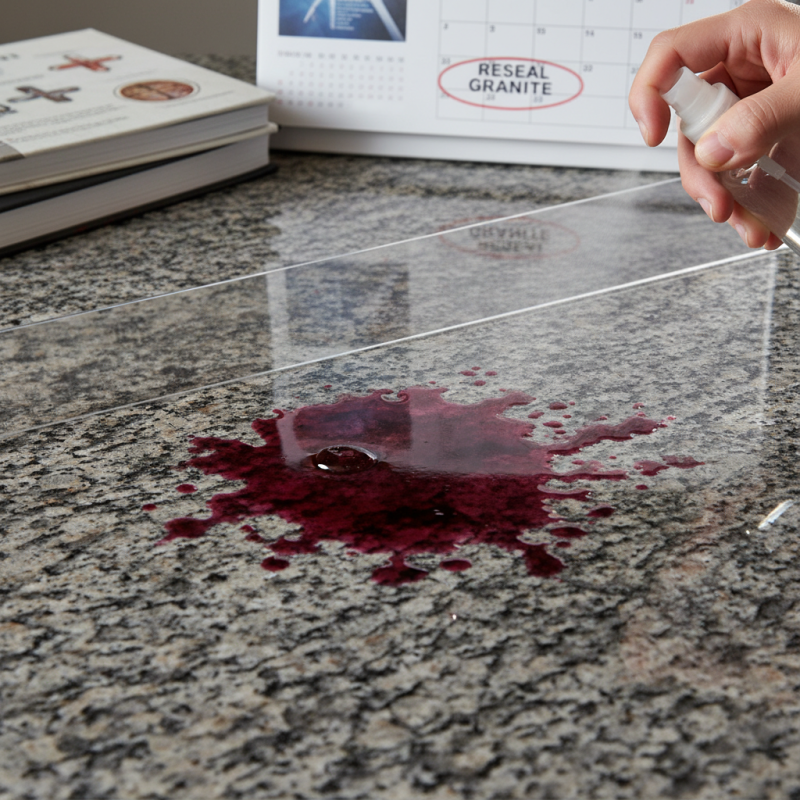
Watch for kitchen spills. Even minor spills can penetrate unsealed granite. Chocolate, wine, or tomato sauce can wreak havoc. Failing to reseal can lead to costly damage. Consider using a microfiber cloth for cleaning, which helps avoid excess moisture. Regular maintenance and prompt action can prevent bigger problems down the line.

FAQS

: Why is sealing granite important?

: Sealing granite enhances its durability and prevents staining from liquids.

How often should granite be sealed?

Experts recommend sealing granite every six to twelve months for the best protection.

What happens if I don’t seal my granite?

Neglecting to seal can lead to costly repairs, including cracks and discoloration.

Can I damage granite even if it is sealed?

Yes, improper sealing can leave surfaces unprotected and susceptible to damage.

Is granite completely invulnerable once sealed?

No, many believe this misconception. Sealed granite still needs regular maintenance.

What are the main components of granite?

Granite consists of quartz, feldspar, and mica, giving it beauty but some vulnerabilities.

Can sealing granite affect its appearance?

Yes, proper sealing maintains the aesthetic appeal and prevents messy stains over time.

What do homeowners often overlook about granite care?

Many neglect sealing, thinking granite is invincible, which can lead to regrets.

How does improper care affect granite?

Neglect can diminish beauty and durability, leading to potential replacement needs later.

What impact does sealing have on spills?

A well-sealed surface repels spills, preventing potential stains and messy clean-ups.

Conclusion

Regular sealing of granite is essential for maintaining its durability and preventing damage. Granite, being a natural stone, is porous and susceptible to stains and bacteria if not properly protected. Understanding why granite needs to be sealed regularly can help ensure its longevity and keep surfaces looking pristine.

To achieve the best results, it is important to know the frequency and timing of sealing, typically once a year or whenever water no longer beads on the surface. Proper sealing involves cleaning the surface thoroughly before applying the sealant. Homeowners should also be aware of signs that indicate their granite needs resealing immediately, such as discoloration or a dull appearance. By following these guidelines, one can enhance the durability and beauty of granite surfaces significantly.

Aria

Aria

Aria is a dedicated marketing professional with a deep passion for innovative strategies and a keen understanding of our company's product offerings. With a wealth of experience in the industry, Aria excels at crafting engaging content that highlights the unique features and benefits of our......