How to Prevent Slate Tiles from Flaking or Spalling?

Time:2026-09-29 Author:Ethan
0%

Slate is durable, but it is not immune to damage. Its layered structure can split when water enters tiny cracks, freezes, and expands. Salt deposits, weak bedding planes, unsuitable adhesives, and trapped moisture can also contribute to flaking or spalling. Small signs matter. A lifted edge or powdery surface may signal a deeper moisture problem, not merely a cosmetic defect.

How to prevent slate tiles from flaking or spalling starts with identifying the stone and its setting. Slate varies in mineral composition, porosity, and weathering performance, so one treatment will not suit every installation. ASTM International’s ASTM C217/C217M test method evaluates weathering resistance in slate roofing shingles; it does not guarantee performance in every floor or wall application. The Natural Stone Institute’s Dimension Stone Design Manual offers further professional guidance on stone selection, detailing, and maintenance. These sources support a practical principle: control water before relying on sealers. Check drainage, grout joints, substrate stability, and ventilation, especially around showers, entrances, and exterior steps. Use compatible installation materials, and test cleaning or sealing products on a small, inconspicuous area. A sealer may reduce absorption, but it cannot repair delamination or correct poor drainage. One limitation is worth admitting: visual checks cannot reveal every hidden defect. The advice that follows focuses on early inspection, moisture control, and careful repairs—because prevention is usually less disruptive than replacing a slate surface.
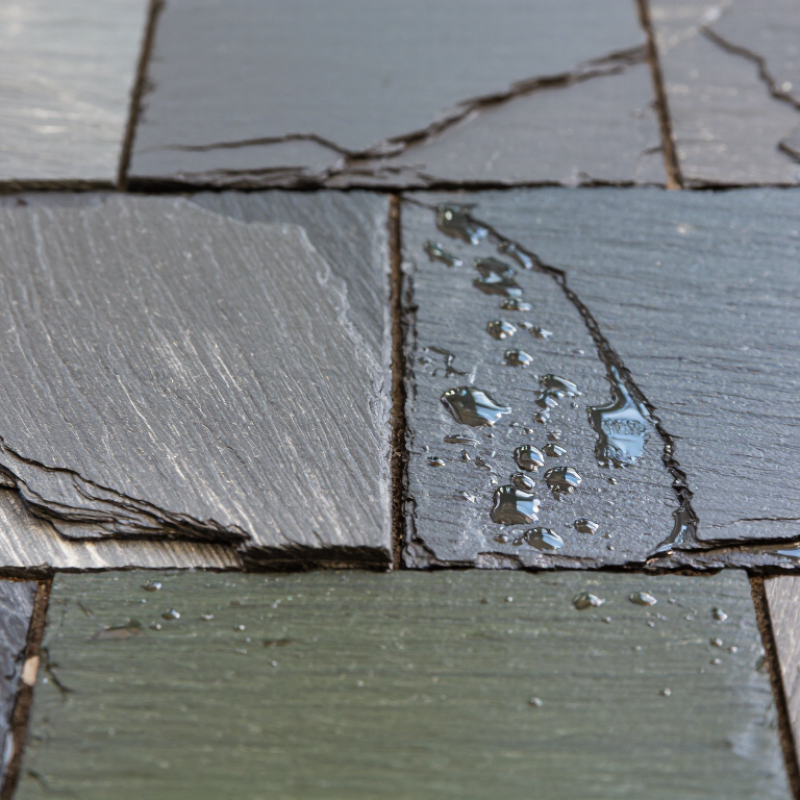
How to Prevent Slate Tiles from Flaking or Spalling?

Understand the Causes of Slate Flaking and Spalling

Slate flakes when its mineral layers separate, often along natural cleavage planes. Water enters tiny pores or hairline cracks, then expands during freezing. Repeated wet-dry cycles can loosen thin chips. Iron-bearing minerals may also oxidize, creating rust-colored stains and local stress. Poor drainage keeps slate damp; unsuitable coatings can trap moisture beneath the surface. The damage is not always obvious at first.

ASTM C406 classifies roofing slate by weathering performance, including freeze-thaw resistance and water absorption. Its service-life grades span 20, 40, and 75 years under specified test conditions; these are not guarantees for every installation. ASTM C121 provides a method for measuring slate’s water absorption. A test result matters because higher absorption can signal greater moisture exposure, but it cannot explain every case of flaking. Installation, climate, and the stone’s mineral composition matter too.

Tips: Check loose flakes after heavy rain, especially near roof edges and shaded joints. Clear blocked drainage and replace cracked mortar with a compatible material. Avoid sealing damp slate. A small test area is wise; I would not assume every slate responds alike. For persistent spalling, ask a stone professional to inspect a sample and review relevant ASTM test data before selecting repairs.

Inspect Tiles and Find Sources of Moisture

Slate rarely flakes without a moisture pathway. Inspect the surface before replacing tiles. Look for lifted edges, powdery layers, white deposits, and darkened joints. Tap suspect tiles with a plastic handle. A dull sound can indicate separation beneath the stone. Record each damaged area with photographs and a simple floor plan. Patterns matter.

Check grout joints, movement joints, pipe penetrations, thresholds, and nearby exterior walls. Water may enter from a cracked shower corner, failed flashing, blocked drainage, or condensation. A moisture meter can help, but slate readings are not always reliable because stone density varies. Compare damaged and dry areas instead. The Natural Stone Institute advises identifying water entry before repairs, rather than treating visible deterioration alone. That practical warning is easy to ignore.

Measure indoor relative humidity near the affected room. The U.S. Environmental Protection Agency recommends maintaining approximately 30% to 50% relative humidity indoors, because excessive humidity supports condensation and related moisture problems. For slate absorption, ASTM C121 provides a standardized laboratory test method; onsite appearance alone cannot confirm the stone’s performance. Remove a small tile only when necessary, then inspect the substrate for dampness, rusted fasteners, mold-like staining, or soft adhesive. Do not seal the slate yet. Sealing can trap moisture and hide the real source. I have seen repairs fail because the visible crack received attention, while a leaking threshold remained untouched. That mistake is costly.

Select Suitable Slate and Compatible Installation Materials

How to Prevent Slate Tiles from Flaking or Spalling?

Choose slate for its environment, not only its color or price. Dense, low-absorption slate usually performs better in wet or freezing climates. Ask for technical data on water absorption, frost resistance, flexural strength, and thickness consistency. Inspect several pieces before installation. Look for open layers, powdery surfaces, rusty seams, or edges that crumble easily. A small sample should survive repeated wetting and drying without visible delamination.

Installation materials must suit both the slate and the substrate. Use a flexible, exterior-rated setting material that allows slight movement. The supporting surface should be stable, clean, and properly sloped for drainage. Avoid thick, rigid bedding layers that trap moisture beneath the tiles. Leave movement joints where the design or exposure requires them. Grout should also resist water penetration and seasonal movement. Follow the material manufacturer’s stated mixing and curing requirements.

Do not rush curing.

On one project, the slate looked sound, but several tiles began flaking after winter. The moisture had nowhere to escape. That failure changed my inspection routine. I now build a small test area before full installation, especially with unfamiliar stone. Check the surface after curing, rain, and temperature changes. Seal only when the slate is clean and completely dry, and confirm that the sealer is compatible with the stone. Even careful selection cannot correct poor drainage or a moving substrate. Some failures remain difficult to predict. That is why site conditions deserve as much attention as the tile itself.

How to Prevent Slate Tiles from Flaking or Spalling

Choose sound slate and installation materials suited to the tile and exposure conditions.

The chart gives a qualitative screening guide, not measured failure rates. Before installation, check slate soundness and suitability for the intended exposure. Limit water entry with good drainage, use compatible setting and grouting materials, and follow product and substrate requirements. In freeze–thaw conditions, keeping water from saturating the stone and installation assembly is especially important.

Install and Seal Tiles to Limit Water Intrusion

Slate rarely flakes without a reason. Water enters through open joints, cracked grout, porous edges, or a poorly prepared base. When trapped moisture freezes, it expands and pushes slate layers apart. Spalling can also follow salts, weak bedding, or aggressive cleaning. Look closely after rain.

During installation, use a firm, well-drained substrate with the correct slope. Remove dust from every tile and keep the backs dry before bedding. Set tiles fully, without hollow pockets that can collect water. Leave movement joints where the surface needs them, especially near walls and transitions. Use properly formed flashings around edges, steps, and penetrations. Small gaps matter. Follow local building requirements and the tile supplier’s technical guidance. Natural slate varies, so one adhesive or mortar choice may not suit every piece.

After the installation cures, apply a penetrating, breathable sealer suited to slate. Avoid glossy films that trap vapor beneath the surface. Test a hidden area first; color and absorption can change. Keep the surface clean and dry, then apply thin, even coats. Do not seal over damp slate. Inspect joints and flashing each year, particularly after hard freezes. I once saw a well-sealed floor fail because water entered from an unprotected wall. That mistake was easy to miss. Check wall junctions before sealing.

Maintain Slate and Respond to Early Signs of Damage

Slate can last for decades, but moisture quietly weakens its layered structure. I inspect it after heavy rain and again during dry weather. Look for curled edges, powdery surfaces, thin cracks, and loose flakes. Dark patches may indicate trapped water, not simple staining.

Keep gutters, joints, and drainage paths clear so water leaves the surface quickly. Use a soft brush and clean water for routine maintenance. Harsh chemicals can strip protective minerals and leave the slate brittle. I once used a stiff brush on an old patio. That was too aggressive. Several fragile edges broke during cleaning.

Respond to small defects before frost expands them. Replace tiles that sound hollow, move under light pressure, or show deep separation. Secure surrounding pieces carefully, because forcing a replacement can damage sound slate. On roofs, check flashing and nearby seals, where leaks often begin. On floors, inspect grout lines and low areas where water collects. Avoid sealing damp slate; trapped moisture may worsen spalling. A qualified stone professional should assess widespread flaking or repeated moisture problems. Take clear photographs during each inspection. Small changes are easier to judge when you can compare them over time.

How to Prevent Slate Tiles from Flaking or Spalling? — Maintain Slate and Respond to Early Signs of Damage

What to Check Early Warning Signs Possible Causes Recommended Response When to Act
Slate surface Thin layers lifting, small flakes, or edges beginning to peel Weathering, repeated wetting and drying, or freeze–thaw cycles in moisture-absorbing slate Photograph and monitor the affected area. Have a qualified slate professional assess whether the tile is sound enough to remain or needs replacement. Arrange an assessment when flaking is recurring, spreading, or occurring on roof tiles.
Tile corners and edges Chips, cracks, crumbling corners, or pieces collecting below the slate Impact, movement, water entry, or deterioration of the slate itself Keep people clear of areas where pieces could fall. Replace damaged roof tiles using suitable slate and compatible fixings; avoid patching over loose layers. Promptly, especially on roofs, walls above walkways, or other elevated areas.
Roof valleys, gutters, and drainage paths Standing water, blocked outlets, overflowing gutters, or persistent dampness near slate Debris buildup or drainage defects that keep the slate and surrounding materials wet Clear accessible debris and correct drainage problems. Use safe access methods; do not walk on a slate roof unless properly equipped and trained. Check after leaf fall and severe storms, and whenever drainage is visibly obstructed.
Roof flashings and joints Gaps, lifted flashing, loose joints, water stains, or dampness inside the building Failed or poorly fitted flashings and joints can let water reach the roof structure and slate fixings Have the source of water entry identified and repaired. Replace deteriorated flashing with a material appropriate for the roof design. As soon as a leak, damp patch, or visible separation is found.
Slate fixings and surrounding materials Loose, slipping, or missing tiles; rust staining; exposed or deteriorated fixings Corroded or failed fixings, movement, or aging roof components Have a slate roofer check the fixings and adjacent tiles. Repair with compatible, corrosion-resistant fixings selected for the roof conditions. Promptly if tiles are moving or missing; otherwise include in a professional roof inspection.
Cleaning and surface treatments Algae or moss growth, accumulated dirt, or proposals to pressure-wash or seal the slate Organic growth can retain moisture; aggressive cleaning or unsuitable coatings may damage the surface or alter drying behavior Use gentle, slate-appropriate cleaning methods recommended by a qualified professional. Avoid high-pressure washing and do not apply sealers unless suitability has been established for the specific slate and assembly. Assess during routine maintenance; clean only when needed and with an appropriate method.
Indoor ceilings and upper walls New water stains, peeling paint, damp odors, or recurring moisture A roof leak or condensation may be wetting the roof structure; the visible stain may not be directly below the entry point Investigate the source rather than simply repainting. Check the roof and attic or roof space safely, and repair the cause of moisture. Investigate promptly, particularly after heavy rain or snowmelt.
Overall roof condition Several cracked, flaking, slipping, or missing tiles; repeated repairs in nearby areas Widespread slate deterioration, aging components, or recurring installation and drainage problems Arrange a documented condition assessment by a professional experienced with slate. Repair or replacement decisions should consider the slate, fixings, underlayment, flashings, and drainage together. Schedule a professional review when damage is widespread or repeatedly returning.

Safety note: Slate can be brittle and slippery, and loose pieces may fall. Inspect from the ground where possible and use a qualified professional for roof access or repairs. Maintenance needs vary with slate type, climate, roof design, and installation.

FAQS

Why does slate tile flake or spall?

Moisture often enters through cracks, joints, thresholds, or poor drainage. It weakens slate’s layered structure over time. Frost can expand trapped water. The visible crack may not be the real problem.

What signs suggest moisture damage beneath slate?

Look for lifted edges, powdery layers, white deposits, dark joints, and thin cracks. Tap the tile with a plastic handle. A dull sound may indicate separation below. Patterns can reveal the moisture path.

How can I locate the moisture source?

Inspect grout joints, movement joints, pipe penetrations, thresholds, and exterior walls. Check shower corners, flashing, gutters, and drainage paths. Compare damaged areas with dry areas. A moisture meter helps, but slate readings can vary.

Should I seal slate immediately after finding damage?

No. Do not seal damp slate. Sealing may trap moisture and hide the source. Let the stone dry completely, then confirm the sealer suits the slate. This step is easy to rush.

What slate is suitable for wet or freezing areas?

Choose dense slate with low water absorption and consistent thickness. Request information about frost resistance and flexural strength. Inspect several pieces for crumbling edges or open layers. Color alone is a weak guide.

How should slate tiles be installed?

Use flexible setting materials suitable for the substrate and exposure. Keep the supporting surface stable, clean, and properly sloped. Provide movement joints where needed. Do not rush curing.

Should I test slate before installing a large area?

Yes, create a small test area first. Observe it after curing, rain, and temperature changes. Check for flaking or separation. I now test unfamiliar stone, though I did not always do this.

How should slate be maintained?

Use a soft brush and clean water for routine cleaning. Keep gutters, joints, and drainage paths clear. Avoid harsh chemicals and stiff brushes. I once cleaned too aggressively and broke fragile edges.

When should a damaged slate tile be replaced?

Replace tiles that sound hollow, move under light pressure, or show deep separation. Inspect the substrate for dampness, rust, staining, or soft adhesive. Work carefully around sound tiles. For widespread damage, seek qualified professional advice.

Conclusion

How to prevent slate tiles from flaking or spalling begins with understanding why the damage occurs. Moisture entering porous or naturally weak slate can contribute to layers separating, especially when water is trapped beneath tiles or exposed to repeated wetting and drying. Inspect the surface and surrounding area for loose flakes, cracks, damp patches, failed grout, or drainage problems. Identifying and addressing the source of moisture is essential before repairing or replacing damaged tiles.

Choose slate suited to the location and use compatible setting materials, grout, and sealers. Careful installation helps reduce gaps and limit water intrusion, while appropriate sealing can provide added protection without replacing good drainage or sound workmanship. Keep the slate clean using suitable methods, check it periodically for early signs of deterioration, and respond promptly to new cracks, flaking, or moisture issues. Regular attention can help preserve the tiles and prevent minor damage from becoming more extensive.

Ethan

Ethan

Ethan is a seasoned marketing professional with a deep expertise in our company's innovative product line. With a passion for sharing knowledge and insights, he takes the lead in regularly updating our corporate blog, where he explores industry trends, product features, and effective marketing......