In recent years, the question arises: why is porcelain becoming more popular than natural stone? Homeowners and designers are drawn to porcelain for various compelling reasons. This trend reflects changing preferences in aesthetics, practicality, and durability.
Porcelain offers a sophisticated look, mimicking the beauty of natural stone. Its versatility allows for an array of design styles. However, many still favor natural stone for its uniqueness. Porcelain stands strong against scratches and stains. It requires less maintenance than its natural counterpart, appealing to busy homeowners. In contrast, natural stone can be prone to chips and requires regular sealing.
Still, the rise of porcelain isn’t without debate. Some critics argue that it lacks the authentic feel of natural materials. The environmental impact is another concern, as many people treasure the sustainability of natural stone. Despite these discussions, the many benefits of porcelain continue to influence consumer choices. As this trend unfolds, it begs the question: how will the industry adapt?
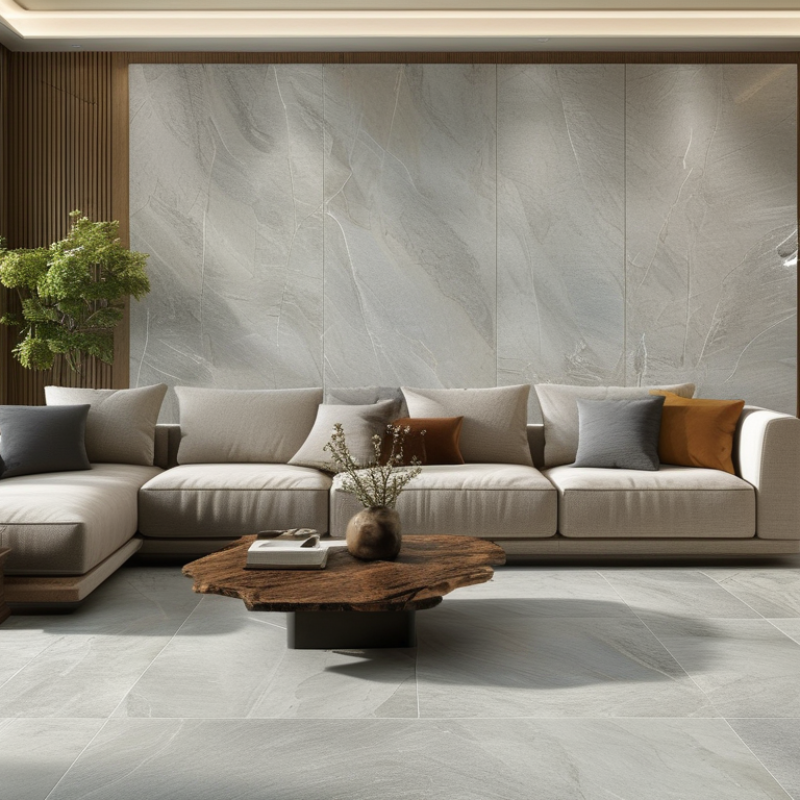
Porcelain is becoming a preferred choice for many homeowners, eclipsing natural stone in popularity. According to the latest market analysis by Research and Markets, the global porcelain market is projected to grow significantly. Anticipated growth rates indicate a shift towards porcelain due to its versatility and resilience.
Several factors contribute to this trend. Porcelain tiles are known for their durability, often outperforming natural stone in terms of resistance to scratches and moisture. A report by Grand View Research highlights that porcelain's low maintenance requirements attract consumers. Unlike natural stone, porcelain doesn't need sealing, making it a practical option for busy households.
Tips: When choosing flooring, consider the durability and maintenance of materials. Porcelain is ideal for high-traffic areas. Additionally, exploring various finishes can enhance aesthetic appeal without sacrificing functionality.
Another driving factor for porcelain is its design capabilities. Modern technology allows for a vast range of styles and textures. This gives homeowners the opportunity to mimic the look of luxury materials like marble or granite at a fraction of the cost. However, not all porcelain is created equal. It's essential to gauge the quality and specifications before purchase.
Tips: Look for reputable manufacturers who provide detailed product information. Checking for certifications can offer peace of mind regarding the material's reliability.
Porcelain is quickly becoming a popular choice in flooring and countertops, often overshadowing natural stone. One key factor is its durability. Porcelain tiles are fired at higher temperatures, making them denser and more resistant to scratches and chips. This attribute is particularly appealing for high-traffic areas or households with children and pets.
Natural stone, while beautiful, can be more porous. It often requires regular sealing to prevent stains and damage. For instance, a marble countertop can easily be harmed by acidic spills. Homeowners may find themselves constantly worrying about maintenance. In contrast, porcelain offers a more stress-free experience, with options that mimic the look of natural stone without the drawbacks.
However, some still prefer the unique charm of natural stone. Each piece has a distinct pattern and color. This individuality can be hard to replicate in porcelain. While porcelain provides uniformity, it may lack the warmth and organic feel of natural stone. Finding the balance between aesthetics and practicality remains a challenge for many.
Porcelain is increasingly favored in the design world, driven by its variety and aesthetic appeal. Unlike natural stone, porcelain tiles offer an extensive range of colors, patterns, and finishes. According to a recent report by Research and Markets, the global porcelain tile market is projected to reach nearly $60 billion by 2026. This growth reflects a shift toward versatile materials that cater to diverse preferences.
The aesthetic qualities of porcelain are further enhanced by advanced printing technology. Manufacturers now produce tiles that mimic the appearance of marble, wood, or even fabric. This versatility allows homeowners to achieve their desired look without sacrificing durability. A study from the National Tile Contractors Association highlighted that 70% of respondents preferred porcelain for high-traffic areas due to its resistance to wear and stain.
However, the rise of porcelain also invites reflection. Some experts warn that pushing porcelain as a one-size-fits-all solution may undermine the unique charm of natural stone. Each material holds its own virtues, and excessive reliance on porcelain could limit creative possibilities. Designers must continue to balance innovation with authenticity, valuing natural imperfections over uniform perfection.
| Dimension | Porcelain | Natural Stone |
|---|---|---|
| Variety of Styles | High variety, customizable designs | Limited to natural patterns |
| Durability | Highly resistant to scratches and stains | Prone to scratching and staining |
| Maintenance | Easy to clean and maintain | Requires regular sealing and care |
| Cost | Generally more affordable options | Typically more expensive |
| Aesthetic Versatility | Mimics various textures and looks (wood, stone, tiles) | Natural look and feel only |
Porcelain is increasingly favored for various applications, particularly in flooring and wall coverings. One main factor driving this trend is its cost-effectiveness compared to natural stone. According to industry reports, the average price of porcelain tiles can be 30-50% lower than comparable natural stone options. This price difference makes porcelain an attractive choice for both homeowners and commercial projects.
While natural stone offers unique aesthetics, it often comes with hidden costs. Installation can be complex and labor-intensive, which raises overall expenses. Porcelain, on the other hand, is typically lighter and easier to handle, which can reduce labor costs. Recent data indicates that installation costs for porcelain can be about 20% lower than for stone alternatives.
Long-term maintenance is another financial consideration. Porcelain is less porous, making it resistant to stains and easier to clean. This durability can save homeowners money on upkeep over time. A report from a leading flooring association states that maintenance costs for porcelain can be up to 40% lower than natural stone over a decade. However, it's essential to note that not all porcelain is created equal, and quality can vary. The market can be overwhelming, so buyers should conduct thorough research to find the best options.
Porcelain is becoming a preferred choice over natural stone due to its sustainability and lower environmental impact. Unlike natural stone, which often involves extensive mining and resource depletion, porcelain is made from abundant materials. This allows for a more efficient manufacturing process. Moreover, porcelain tiles can be produced using recycled materials, reducing waste significantly.
When choosing porcelain, consider the entire lifecycle of your products. Production methods and transportation can affect the environment. Opt for locally sourced options when possible. This not only minimizes carbon footprints but also supports local economies.
However, not all porcelain is created equal. Some manufacturing processes still consume significant energy. Research the brands and their practices before purchasing. Look for certified sustainable products. Being informed helps in making eco-friendly choices. Adding porcelain to your home can be a beautiful and responsible decision.
: Porcelain offers greater durability and low maintenance, attracting homeowners seeking practical flooring options.
Porcelain tiles resist scratches and moisture, making them ideal for high-traffic areas.
Yes, porcelain tiles can cost 30-50% less than natural stone, making them budget-friendly options.
Installation costs for porcelain can be about 20% lower due to its lighter weight and easier handling.
Look for reputable manufacturers and check product certifications for quality assurance.
Porcelain has a lower environmental impact, made from abundant materials and often produced using recycled content.
Yes, but it’s crucial to research the manufacturing processes to ensure eco-friendliness.
No, porcelain does not need sealing, which simplifies maintenance efforts significantly.
Opt for locally sourced porcelain options to reduce transportation emissions while supporting local economies.
No, quality can vary, so thorough research is essential before making a purchase.
The article "Why is Porcelain Gaining Popularity Over Natural Stone?" explores several compelling factors that contribute to the increasing preference for porcelain. Key among these is the comparative durability of porcelain, which outperforms natural stone in terms of resistance to scratches, stains, and moisture. Additionally, the variety and aesthetic appeal of porcelain products allow for versatile design options that can cater to diverse tastes, making it an attractive choice for homeowners.
Cost considerations also play a significant role in this trend, as porcelain offers competitive pricing compared to natural stone, providing a budget-friendly alternative without compromising on style or quality. Finally, the environmental impact of porcelain production highlights its sustainability, appealing to eco-conscious consumers. Overall, the question "Why is porcelain becoming more popular than natural stone" is answered through its superior durability, design versatility, affordability, and sustainable characteristics.
Aura Stone