Petrified Wood Slabs have become a captivating choice for home décor. These natural wonders offer unique aesthetics that blend history and art. Renowned expert in natural materials, Dr. Alan C. Woodson, once said, “Every slab tells a story of time.” This perfectly captures the essence of petrified wood.
The vibrant colors and intricate patterns found in Petrified Wood Slabs add warmth to any setting. Each piece is a fragment of ancient history, often millions of years old. Their smooth surfaces make them ideal for tabletops, countertops, or decorative accents. The unique character of these slabs enhances any interior space, reflecting both elegance and nature’s artistry.
However, sourcing genuine Petrified Wood Slabs can be challenging. Some suppliers may offer replicas or processed materials. It’s essential to research and ensure the quality of your chosen slab. Be mindful of the environment when making a purchase. Authenticity and ethical sourcing should be priorities.
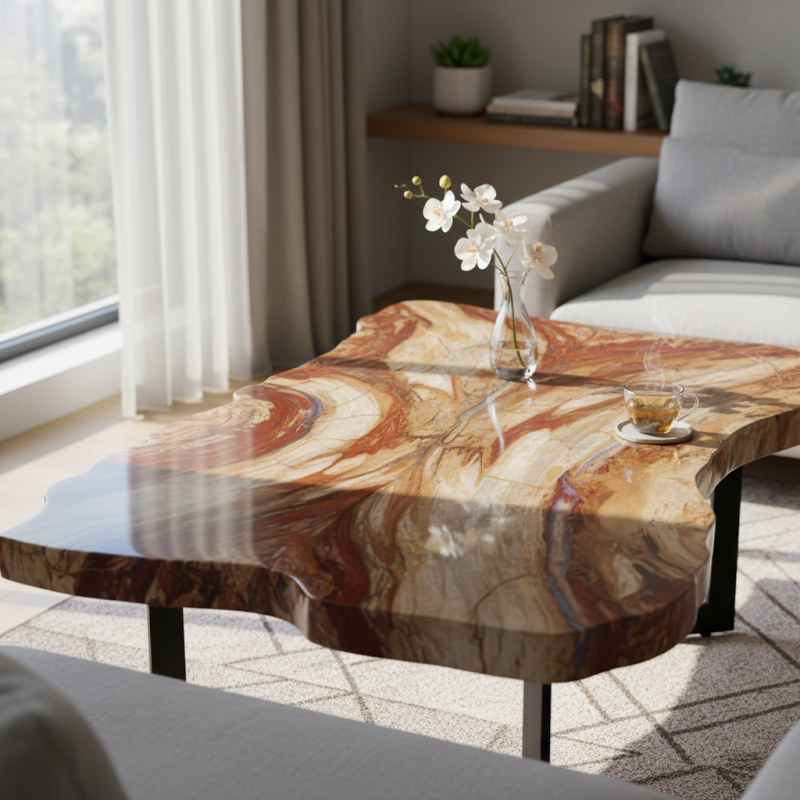
Petrified wood slabs are fascinating and distinct. These natural wonders form over millions of years as trees become fossilized. The process transforms organic material into stone, retaining beautiful patterns and colors. Each slab is unique, showcasing the beauty of nature's design.
One striking characteristic is the vibrant color palette often found in petrified wood. Hues of rich browns, reds, and greens can tell stories of their ancient origins. The swirling patterns mimic wood grain but with a glossy finish. This makes them ideal for stunning tabletops or decorative accents. Even so, imperfections may arise from natural processes, adding character to each piece.
Caring for petrified wood slabs requires knowledge. They need to be kept dry and away from direct sunlight. Over time, even durable stone can show signs of wear. These surfaces may require occasional polishing. Understanding their needs enhances their beauty and longevity. Seasoned collectors appreciate the charm imperfections can add, finding beauty in the flawed and the ancient.
Petrified wood offers a unique glimpse into Earth's history. This extraordinary natural phenomenon occurs when trees are buried under sediment. Over millions of years, minerals seep into the wood, replacing organic material with stone. This process preserves the intricate details of the wood, creating stunning visual effects.
The age of petrified wood can range from thousands to millions of years, depending on its location. According to the Geological Society of America, certain sites contain specimens that are over 200 million years old. These ancient woods tell stories of their environments, from lush forests to arid landscapes. Featuring petrified wood in your décor adds depth and character to any space, emphasizing nature's artistry.
Tips: When incorporating petrified wood into your home, consider the piece's origins and history. Each slab has a story to tell, enhancing the uniqueness of your décor. Be mindful that maintaining its beauty may require occasional cleaning and avoidance of extreme humidity. Choose your settings carefully to ensure the longevity of your stunning display.
Petrified wood is a fascinating natural material. It is created when organic wood is transformed into stone over millions of years. This stunning process preserves the wood's detailed structure and colors. Different types of petrified wood can greatly enhance your décor. Each type has unique characteristics that appeal to various tastes.
For instance, Rainbow petrified wood showcases vibrant coloration, often incorporating reds, yellows, and greens. This type is especially sought after for its bold aesthetic. According to a recent report by the Geological Society, these colorful variations are valued for their rarity. In contrast, the muted tones of Black petrified wood offer a more subtle elegance. This type provides a refined look that fits well in modern décor settings.
Beyond the immediate visual appeal, petrified wood has a story to tell. It embodies the ancient history and natural processes of our planet. Many artisans and designers appreciate it for its unique patterns. Each slab carries fingerprints of time, which can provoke reflections about nature's endurance. Despite its beauty, pricing can be inconsistent due to demand. Some buyers may underestimate ship costs or the rarity of specific types. This unpredictability requires careful consideration for those looking to use petrified wood creatively in their homes.
| Type of Petrified Wood | Color Range | Common Uses | Aesthetic Appeal |
|---|---|---|---|
| Banded Jasper | Red, Brown, Yellow | Tabletops, Wall Decor | Striking stripes create a bold graphic element. |
| Agatized Wood | Various Colors | Coasters, Jewelry | Unique patterns and colors make it eye-catching. |
| Dendritic Agate | Cream, Black | Wall Art, Collector Pieces | Elegant branches resembling ferns or foliage. |
| Opalized Wood | Pastel Colors | Display Items, Decorative Features | Soft and dreamy colors add a soothing touch. |
Petrified wood slabs are a unique addition to modern décor styles. These beautiful pieces tell a story of nature's past. Each slab showcases unique patterns and colors, making them natural focal points. Integrating these slabs can transform a space, adding warmth and character.
When incorporating petrified wood into your design, consider the overall aesthetic. For minimalist styles, a large slab can serve as a stunning coffee table. In contrast, rustic themes may benefit from several smaller pieces as accents. According to recent industry data, 68% of interior designers prefer natural materials for their sustainability and aesthetic appeal.
Tips: Ensure that the finish of your petrified wood complements other materials in your space. A matte finish can enhance a modern look, while a glossy finish may suit traditional themes.
While petrified wood exudes beauty, it requires careful handling. These slabs can be heavy and fragile. Improper placement might lead to damage. Be mindful of weight distribution when styling. Balancing practicality and beauty remains crucial in any design process. Always reflect on how these elements work together in your décor.
Petrified wood slabs are unique pieces of natural art that can enhance any décor. These stunning slabs, formed over millions of years, offer fascinating colors and patterns. Proper care is vital to preserving their beauty. Maintaining these pieces is not just about cleaning; it requires an understanding of their materials.
Humidity is a critical factor. Petrified wood can crack if it becomes too dry. Aim for a humidity level around 40-60%. This helps retain moisture without causing damage. Using a humidifier can be beneficial, especially in dryer climates. Regularly check the slabs for signs of dryness or cracking.
Cleaning is another key aspect. Use a soft, dry cloth to dust your slabs. Avoid excessive water, which can harm the material. For deeper cleaning, a damp cloth with mild soap is acceptable, but ensure thorough drying afterward. Many experts recommend a beeswax finish. This can help protect the wood and enhance its natural patterns.
These care tips are essential for maintaining the splendor of petrified wood. Experts suggest regular evaluations of your décor items. Monitor their condition, and don't hesitate to consult a professional for advice. Each slab is unique and may require specific care. Embrace the beauty of your petrified wood, while being mindful of its needs.
: Petrified wood slabs are fossilized tree remnants. They retain patterns and colors, formed over millions of years.
Keep them dry and out of direct sunlight. Humidity should be around 40-60% to avoid cracking.
Avoid excessive water. Use a soft, dry cloth for dusting, and a damp cloth with mild soap for deeper cleaning.
Regular polishing may be needed. Check your slabs often and consult a professional if unsure.
No, imperfections can enhance the character of the piece. Many collectors appreciate these unique details.
A beeswax finish can protect the wood and highlight its natural patterns. Regular application may be beneficial.
Low humidity can cause cracking. Use a humidifier in dry climates to maintain optimal moisture levels.
Yes, regular checks are essential. Monitoring condition helps maintain the beauty and longevity of your décor items.
It's not recommended. Direct sunlight can damage the wood over time. Keep them in a controlled indoor environment.
Color variation in petrified wood reflects their ancient origins. Each piece tells a unique story through its colors and patterns.
Petrified wood slabs are a unique and stunning addition to any décor, showcasing the ancient beauty of natural wood transformed into stone over millions of years. These slabs possess distinct characteristics, such as rich colors and intricate patterns, that make them stand out in various design styles. Understanding the history and formation of petrified wood enhances appreciation for its aesthetic value, as each piece tells a story of natural processes.
Incorporating petrified wood slabs into modern décor can add warmth and a touch of nature, fitting seamlessly with trends like rustic or contemporary styles. To ensure longevity and maintain their striking appearance, proper care is essential. Regular cleaning and avoiding exposure to extreme conditions will help preserve the beauty of these remarkable décor items, making them a cherished part of your home for years to come.

Aura Stone