Why is Natural Stone More Expensive Than Man Made Stone?

Time:2026-05-19 Author:Oliver
0%

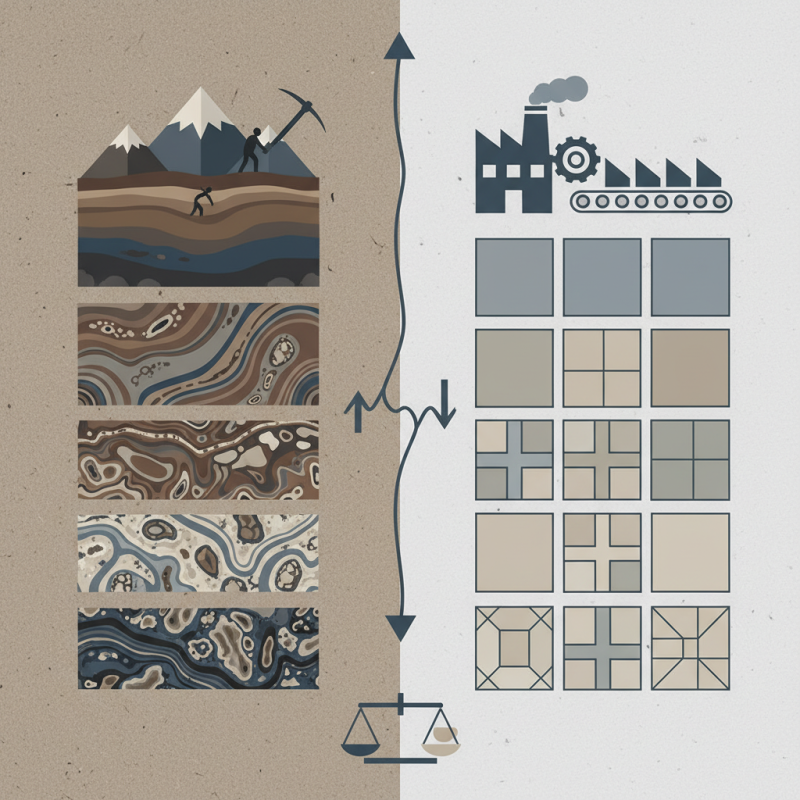
The question "Why is natural stone more expensive than man-made stone" arises frequently in discussions about home design and improvement. Natural stone, like granite or marble, originates from the earth. It takes millions of years to form. The extraction process is labor-intensive and requires specialized skills and tools. Each piece of natural stone is unique, showcasing intricate patterns and colors. This uniqueness adds value to the stone.

Man-made stone, often composed of concrete or resin, is manufactured under controlled conditions. It can be produced quickly and in large quantities. Despite being customizable, it lacks the individuality of natural stone. Many prefer the authenticity of natural stone, valuing its historical significance and aesthetic appeal. However, some find the price tag of natural stone puzzling and steep.

When considering costs, it’s essential to reflect critically on material longevity and beauty. Natural stone often outlasts its man-made counterparts. Yet, the higher expense can be a barrier for some projects. Understanding the reasons behind this price difference may influence purchasing decisions and design choices for homeowners and builders alike.
Why is Natural Stone More Expensive Than Man Made Stone?

Understanding the Definition of Natural Stone vs. Man-Made Stone

Natural stone and man-made stone serve unique purposes in design and architecture. Natural stone, like marble and granite, is formed through geological processes. It has a timeless quality that many find appealing. These stones offer a variety of colors and textures that can’t be synthetically duplicated. Each slab is unique, which adds a level of authenticity.

Man-made stone, often a composite, is designed to mimic the appearance of natural stone. It's generally more affordable and offers greater consistency in appearance. However, its durability may not match that of true natural stone. Some might argue that its production is more environmentally friendly, yet it involves chemicals and resources that carry their own costs.

Differences between them can drive choices. Natural stone enjoys a reputation for being more luxurious. Yet, it requires more care, and not all types are suitable for every environment. There is also the concern of supply chain sustainability. Questions arise: Does the appeal of natural stone outweigh its challenges? Understanding these details helps consumers make informed decisions.

Factors Influencing the Cost of Natural Stone Production

Natural stone often comes with a higher price tag than man-made alternatives. Several factors contribute to this disparity in cost. The extraction process is labor-intensive. Quarrying natural stone requires skilled workers and specialized tools. Each piece of stone is unique, adding to its value. The transportation costs can also escalate because of the weight and bulkiness of natural stones.

Tips: Consider local sources for stone. By sourcing nearby, you can reduce shipping fees.

Supply chain dynamics play a crucial role. The demand for specific types of natural stone often outstrips supply. This imbalance can drive prices higher. Additionally, natural stone can vary greatly in quality. Higher-grade stones, which are rarer, increase overall costs.

Tips: Always ask for samples. Testing a small piece can save money on a larger investment.

Lastly, natural stone requires little maintenance over time. In contrast, synthetic stones may need replacements or repairs. This longevity adds to the overall cost-effectiveness of investing in natural stone initially. The upfront investment can lead to savings down the road.

Factors Influencing the Cost of Natural Stone Production

The chart below illustrates the various factors that contribute to the differences in cost between natural stone and man-made stone. These factors include extraction cost, processing cost, transportation cost, and market demand.

Comparison of Durability and Longevity: Stone vs. Composite Materials

When comparing natural stone to man-made stone, durability is a key factor. Natural stone, such as granite or marble, has been tested over centuries. Research from the Natural Stone Institute indicates that properly maintained natural stone can last over 100 years. In contrast, composite materials often show wear after 20 years. This significant difference highlights the long-term investment value of natural stone.

Longevity also plays a crucial role in cost considerations. A study by the National Association of Home Builders reveals that homeowners can recover up to 90% of their investment when using natural stone in home renovations. This high return rate contrasts sharply with composites, which typically have a lower resale value. While synthetic options may appeal due to their lower price, they often do not withstand the test of time.

Aesthetic appeal is another compelling aspect. Each natural stone piece is unique, offering varied colors and patterns. In contrast, composite materials may appear uniform and synthetic. However, the decision should involve careful consideration of not just appearance but also lifespan and maintenance requirements. Choosing natural stone often entails higher upfront costs but addresses durability concerns over time.

Why is Natural Stone More Expensive Than Man Made Stone? - Comparison of Durability and Longevity

Material Type Cost per Square Foot Durability (Years) Maintenance Level Environmental Impact
Natural Stone $15 - $50 50 - 100 Low Low
Man-Made Stone $10 - $25 20 - 30 Medium Medium
Composite Materials $10 - $20 15 - 25 High High

Market Demand Trends for Natural Stone in Construction and Design

The demand for natural stone in construction and design is strong. Many homeowners and designers prefer its unique texture and beauty. Natural stone offers a distinct look, which enhances the aesthetic appeal of any space. This preference often drives up the market price. People are willing to pay more for authenticity and rarity.

Market trends show that natural stone retains its value over time. As environmental concerns grow, buyers lean towards sustainable options. Natural stone is a recyclable material, unlike many man-made substitutes. This quality adds to its desirability in the construction industry. Even so, sourcing natural stone can be challenging. Extraction methods may raise ethical questions.

Despite the advantages, natural stone isn't always perfect. It requires proper maintenance to prevent wear and tear. The cost of this upkeep can be a deterrent. Some homeowners may find the initial investment daunting. Understanding these aspects can lead to better informed choices in both construction and design.

Environmental Impact and Sustainability of Natural vs. Man-Made Stones

Natural stone often carries a higher price tag than man-made alternatives. This is largely due to its extraction process and the environmental impact associated with it. Natural stone is quarried from the earth, often requiring large amounts of energy and water. This extraction can lead to habitat destruction and increased carbon emissions. In contrast, man-made stones are usually produced in controlled environments, minimizing environmental disruption.

However, the sustainability of man-made stones raises questions. While they are engineered to be uniform and sometimes more durable, their production can involve synthetic materials. These materials may not break down naturally. When considering long-term sustainability, natural stones can be more beneficial. They can last for decades and are recyclable, limiting future waste.

Tips: When selecting stone for projects, examine the source and the production methods. Opt for suppliers that prioritize eco-friendly practices. Check if the stone is locally sourced to reduce transportation emissions. Make informed choices to support environmental sustainability. Additionally, consider the aesthetic value and longevity of the material. Investing in natural stone might seem costly now, but its durability can lead to savings over time.

FAQS

: Why is natural stone generally more expensive than man-made alternatives?

: The extraction process is labor-intensive and requires skilled workers and unique tools, increasing costs.

How does the uniqueness of each stone affect its price?

Each piece of natural stone is unique, adding value and contributing to higher prices.

What can I do to reduce transportation costs for natural stone?

Consider sourcing from local suppliers to minimize shipping fees associated with heavy stones.

Why does the supply-demand imbalance impact natural stone prices?

When demand exceeds supply for certain types of stones, prices typically increase due to scarcity.

How can I ensure the quality of the natural stone I purchase?

Always ask for samples to test the quality before making a larger investment in natural stone.

What advantage does natural stone offer in terms of maintenance?

Natural stone needs little maintenance over time, unlike synthetic stones that require replacements.

How does the longevity of natural stone compare to composite materials?

Properly maintained natural stone can last over 100 years, while composites may wear out after 20 years.

What is the potential return on investment when using natural stone in renovations?

Homeowners can recover up to 90% of their investment with natural stone, unlike lower returns from composites.

How does the aesthetic appeal of natural stone differ from synthetic options?

Natural stones offer unique colors and patterns, while composites typically look uniform and less appealing.

Should I prioritize cost or durability when choosing between natural stone and synthetic materials?

Consider long-term durability over initial cost. Natural stone may have higher upfront costs but offers better longevity.

Conclusion

The article "Why is Natural Stone More Expensive Than Man Made Stone?" delves into the distinct definitions and characteristics that differentiate natural stone from its man-made counterparts. It explores the various factors influencing the cost of natural stone production, including extraction, transportation, and processing, which contribute to its higher price. Moreover, the article compares the durability and longevity of natural stone with composite materials, highlighting how natural stone often withstands the test of time better.

Additionally, market demand trends in construction and design reflect a growing preference for natural stone, reinforcing its perceived value. The environmental impact and sustainability aspects of both natural and man-made stones are also discussed, emphasizing that while natural stones may be costlier, they can be more eco-friendly. This intricate analysis provides a comprehensive understanding of "why is natural stone more expensive than man-made stone," revealing the many dimensions behind its pricing.

Oliver

Oliver

Oliver is a seasoned marketing professional with a wealth of expertise in driving brand awareness and engagement. With a deep understanding of our company's product offerings, he consistently delivers high-quality content that enriches our professional blog. His insights not only shed light on......