How to Match Vein Patterns with Book Matched Slabs Effectively?

Time:2026-06-13 Author:Aria
0%

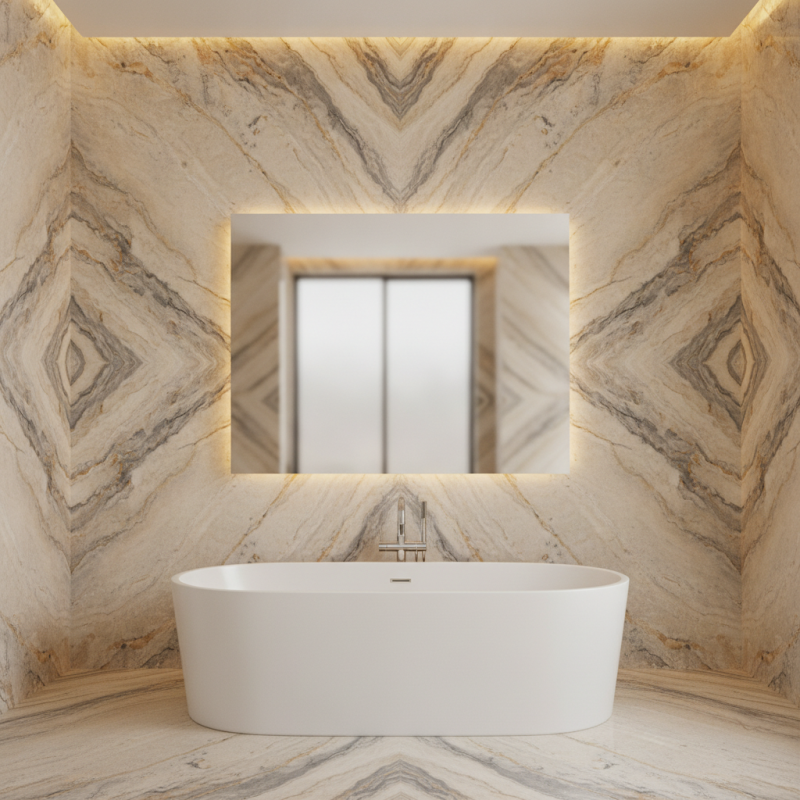
When considering interior design, one often seeks unique and harmonious aesthetics. Natural stone has become a popular choice for its beauty and individuality. Among these options, matching vein patterns with book-matched slabs stands out as an artistic technique. How to match vein patterns with book-matched slabs effectively can elevate the elegance of any space.

The process involves aligning the patterns of two adjacent stone slabs to create a mirror effect. This requires careful selection of stones that possess similar vein characteristics. The hues, patterns, and thickness play a significant role in achieving a cohesive look. Solid decision-making skills and a keen eye are essential in this endeavor. Choosing the right slabs can sometimes feel overwhelming.

It’s not merely about being perfect. Sometimes, the most captivating designs emerge from slight imperfections. This may lead to unexpected beauty. Therefore, reflecting on the natural variances in stone can add character to your project. Knowing how to match vein patterns with book-matched slabs can both guide your choices and inspire creativity.
How to Match Vein Patterns with Book Matched Slabs Effectively?

Understanding Vein Patterns: Importance in Stone Slab Selection

Understanding vein patterns is crucial for selecting stone slabs. Vein patterns add character and uniqueness to each slab. They can influence the overall aesthetic of a space. Recognizing how these veins interact with the surrounding colors is essential. Subtle variations can make a significant difference in a room's ambiance.

When matching vein patterns, consider the scale and direction of the veins. Large, bold veins can dominate a space, while fine, intricate patterns might complement it. Achieving harmony requires attention to detail. A slab with erratic vein patterns can clash with more structured designs.

Tips: Always view slabs in natural light. This helps you see the true color and vein patterns clearly. Photograph your selections for comparison later. When in doubt, consult with a professional. Their expertise can guide you in making the best choice. Remember, even experienced designers sometimes struggle with these selections. Be open to trial and adjustment.

Types of Vein Patterns Commonly Found in Natural Stone Slabs

Vein patterns in natural stone slabs can vary widely, making the selection process intriguing yet challenging. Common types of vein patterns include linear, irregular, and complex. Linear veins usually run parallel, creating a sleek look. Irregular veins display unpredictable twists that add character to the stone. Complex patterns combine elements from both styles, resulting in a dramatic effect.

According to a recent industry report, about 70% of consumers prefer unique vein patterns when selecting stone for countertops. This statistic underscores the importance of matching vein patterns effectively, as it can enhance the visual appeal of any space. However, achieving a seamless match is often not straightforward. Variations in color and texture even among similar stones can complicate the matching process.

One challenge is that natural stones are not uniform. For instance, a single slab may contain multiple color variations, which can affect how vein patterns appear when laid out side by side. This inconsistency requires careful attention to detail during selection. Often, professionals recommend laying out the chosen slabs next to each other to visualize how the veins will flow together. This practical step can expose potential mismatches that might not be apparent when viewing individual pieces.

How to Match Vein Patterns with Book Matched Slabs Effectively?

Vein Pattern Type Description Common Stones Matching Technique
Linear Veins Straight, parallel lines that run through the slab. Calacatta Marble, White Onyx Align slabs to keep veins consistent and straight.
Swirling Veins Curved, flowing lines that create a dynamic appearance. Acrylic Quartz, Blue Agate Use slabs that mirror each other for a swirling effect.
Random Veins Irregular, spontaneous veins that do not follow a specific pattern. Granite, Basalt Select slabs with varied patterns to complement each other.
Book Matched Veins Mirrored veins occurring symmetrically from a center line. Marble, Quartzite Align slabs in pairs to achieve a book matched appearance.

Techniques for Book Matching Slabs: Ensuring Visual Consistency

When working with book-matched slabs, achieving visual consistency is essential. One technique is to carefully select slabs from the same block. This ensures that the vein patterns align beautifully. However, it's often challenging to find two slabs that match perfectly, as even slight variations can disrupt the flow.

Pay close attention to lighting. Different lights can drastically change the appearance of stone. Natural and artificial light may highlight or shadow features in unexpected ways. Consider how the space will be lit and choose slabs accordingly. Sometimes, it's beneficial to bring samples into the environment for a test run.

Tips for effective book matching: Always lay out slabs in their intended positions before installation. This helps visualize the final look. If you notice discrepancies, don’t hesitate to consult a professional. Their expertise can provide insights that may not be obvious to an untrained eye. Remember, even the best slab selections can have minor imperfections. Embrace these nuances to create a unique, cohesive look.

Tools and Technologies for Accurate Vein Pattern Alignment

Choosing the right tools is crucial for matching vein patterns in book matched slabs. A digital measuring tool can help capture precise dimensions. Laser alignment devices ensure that each slab is positioned accurately. Using these tools minimizes human error, leading to better results.

Technology plays a significant role in this process. Software that visualizes vein patterns can help in planning the layout before installation. High-resolution cameras can document the patterns for future reference. This documentation can be invaluable when dealing with large projects. However, relying too much on technology may diminish the artisan's eye for design.

Craftsmanship is equally important. Experienced professionals can instinctively identify patterns that technology may overlook. They can provide insights that a machine cannot. While tools enhance accuracy, human judgment ultimately determines the beauty of the installation. It's essential to find a balance between technology and skill in vein pattern alignment.

Vein Pattern Matching Accuracy Using Different Tools

Industry Insights: Trends in Book Matched Slabs and Consumer Preferences

When selecting book matched slabs, consumers are increasingly drawn to unique vein patterns. These slabs often exhibit stunning symmetry and visual appeal. The trend reflects a desire for personalized and distinctive aesthetics in home design. Many consumers appreciate the craftsmanship involved in creating these patterns. It adds a touch of elegance to both residential and commercial spaces.

Tips: Consider the lighting in your space. Natural light can enhance the colors of the veins, making the slabs more vibrant. Also, don't ignore the effect of the surrounding decor. Contrast can either highlight or diminish a slab’s beauty.

Some homeowners struggle to find the perfect match. It’s essential to sample different slabs before making a decision. Vein patterns can change dramatically from one slab to another. What looks good in the showroom may not fit the home’s overall vibe. Take your time. Visualizing the slab in various settings can help avoid potential mismatches.

FAQS

: What are the common vein patterns found in natural stone slabs?

: Common vein patterns include linear, irregular, and complex designs. Each offers a unique visual appeal.

Why do consumers prefer unique vein patterns?

About 70% of consumers prefer unique patterns for their striking aesthetic. They enhance the beauty of spaces.

What challenges arise when matching vein patterns?

Natural stones vary in color and texture. This inconsistency complicates the matching process, often leading to mismatches.

How can I visualize how stone slabs will look together?

Lay out the slabs side by side. This will help identify any potential mismatches before installation.

What is the benefit of book matched slabs?

Book matched slabs provide stunning symmetry. They add elegance and uniqueness to both residential and commercial spaces.

How does lighting affect the appearance of stone slabs?

Natural light enhances vein colors. It can make slabs appear more vibrant in different settings.

What should I consider when choosing stone slabs?

Consider how the slab fits with your decor. Contrast can either highlight or diminish a slab’s beauty.

Why is it important to sample different slabs?

Vein patterns can change significantly between slabs. Sampling helps ensure you get the perfect match.

How can taking time help in selecting slabs?

Spending time to visualize slabs in various environments helps avoid unsuitable choices, reducing regret later.

What can happen if you rush the selection process?

Rushing may lead to a mismatch that detracts from your space's overall vibe. Take your time to reflect.

Conclusion

The article "How to Match Vein Patterns with Book Matched Slabs Effectively?" delves into the critical role vein patterns play in selecting stone slabs for various applications. It outlines the importance of understanding these patterns and highlights the different types commonly found in natural stone, helping readers to appreciate their aesthetic and functional attributes.

Furthermore, the article provides practical techniques for book matching slabs, ensuring visual consistency that enhances design appeal. It covers essential tools and technologies that facilitate accurate alignment of vein patterns, allowing for a seamless look in installations. Finally, the piece explores industry insights on current trends in book-matched slabs and consumer preferences, equipping readers with the knowledge they need to effectively learn how to match vein patterns with book-matched slabs.

Aria

Aria

Aria is a dedicated marketing professional with a deep passion for innovative strategies and a keen understanding of our company's product offerings. With a wealth of experience in the industry, Aria excels at crafting engaging content that highlights the unique features and benefits of our......