Limestone, a sedimentary rock primarily composed of calcium carbonate, plays a critical role in various industrial processes. Its reaction with acidic liquids is a fascinating chemical phenomenon. The question, "Why does limestone react to acidic liquids," resonates throughout the scientific community. According to Dr. Emily Santos, a leading geochemist, "The interaction between acidic solutions and limestone can significantly impact both natural and engineered systems."
Data from the Geological Society indicates that nearly 70% of natural processes involving limestone involve acidic conditions. This highlights the importance of understanding this reaction in natural environments. Acidic solutions, such as sulfuric and hydrochloric acids, react with calcium carbonate, leading to the formation of carbon dioxide, water, and other byproducts. These reactions can alter landscapes, affect soil chemistry, and impact construction materials.
Many experts emphasize the need for careful consideration of limestone in engineering and environmental studies. Limestone’s reactivity with acids presents both challenges and opportunities. While this can lead to erosion and structural damage, understanding these processes can aid in developing protective measures. As we delve deeper into "Why does limestone react to acidic liquids," we uncover a complex interaction that warrants further investigation and reflection.
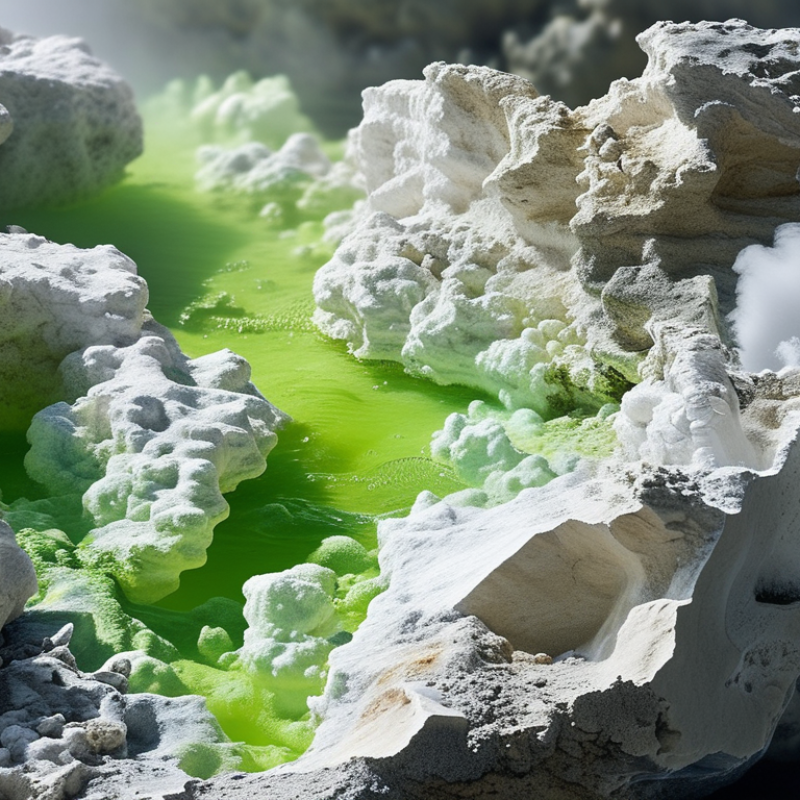
Limestone is a sedimentary rock primarily composed of calcium carbonate (CaCO3). This mineral is formed from the remains of marine organisms over millions of years. Its structure can also include clay, quartz, and other minerals, which give limestone its unique character. You might find limestone in various colors, ranging from white to grey.
The composition of limestone plays a crucial role in its reactions. When limestone comes into contact with acidic liquids, a chemical reaction occurs. The acid reacts with the calcium carbonate, producing carbon dioxide gas, water, and soluble salts. This reaction is visible in everyday life, such as when vinegar is poured on limestone. You can observe bubbles forming as carbon dioxide is released.
Understanding limestone’s composition helps us comprehend its reactivity. While limestone is a common material, its interaction with acids is significant in geology and construction. The results can be both beneficial and detrimental. For instance, while it can help in neutralizing acidic soils, it can cause erosion in certain environments. These effects remind us of limestone's dual nature.
| Property | Description | Chemical Composition | Reactivity with Acids |
|---|---|---|---|
| Limestone | A sedimentary rock primarily composed of calcium carbonate. | Mainly composed of CaCO3 (Calcium Carbonate) | Reacts with acids to produce carbon dioxide gas, water, and a salt. |
| Appearance | Typically appears in shades of white, gray, or tan. | Calcium, along with impurities like clay, silt, or iron oxide. | Effervesces when vinegar or other acids are applied. |
| Uses | Used in construction, agriculture, and water treatment. | Contains trace minerals that can affect color and properties. | Commonly used to neutralize acidic soils. |
| Environmental Impact | Can contribute to soil acidity if overused. | Natural occurrence varies by region. | Affects water quality when dissolved in water systems. |
| Formation | Formed from organic remains or chemical precipitation. | Can vary widely depending on formation conditions. | The reaction rate depends on the strength of the acid. |
: Limestone is mainly composed of calcium carbonate (CaCO3), formed over millions of years from marine organisms.
When limestone meets acids, it reacts to produce carbon dioxide gas, water, and soluble calcium salts.
Yes, pouring vinegar on limestone creates bubbles as carbon dioxide forms, demonstrating the chemical reaction.
Erosion by acids can weaken limestone structures, impacting their stability and leading to potential hazards over time.
Acid rain can dissolve limestone, altering landscapes and creating features like sinkholes and caves through erosion.
Limestone's reaction with acids can reduce its durability, necessitating careful monitoring and treatment in construction projects.
Limestone can improve soil pH, but excessive use may lead to soil alkalinity, which negatively affects plant growth.
Regular monitoring of soil pH is essential to maintain a balanced environment for optimal plant health.
Engineers must assess local acidity levels and manage ongoing treatment to preserve the integrity of limestone structures.
Limestone's ability to both enhance landscapes and suffer erosion prompts reflection on its benefits and challenges.
Limestone, primarily composed of calcium carbonate, plays a significant role in various chemical reactions, particularly with acidic liquids. The question "Why does limestone react to acidic liquids" is rooted in the properties of acids, which can release hydrogen ions in a solution. When acidic substances come into contact with limestone, a chemical reaction occurs, resulting in the formation of carbon dioxide, water, and soluble calcium salts. This reaction not only illustrates fundamental chemical principles but also has notable environmental and practical implications, such as influencing soil composition and affecting construction materials.
In real-world contexts, limestone reacts with acidic rain or vinegar, showcasing its vulnerability to acidic conditions. Understanding the interactions between limestone and acidic liquids helps in various fields, from geology to environmental science, providing insights into erosion processes and creating effective solutions for managing acidic influences on limestone structures.

 Aura Stone