When it comes to choosing between honed and polished finishes, many homeowners and designers often face a dilemma. What are the pros and cons of honed vs polished finishes? A recent industry report from the National Kitchen and Bath Association highlights that 55% of homeowners prioritize finish texture when selecting materials. This decision impacts both aesthetics and functionality in spaces like kitchens and bathrooms.
Honed finishes provide a soft, matte look that is less prone to showing scratches and fingerprints. This can be particularly appealing for high-traffic areas, as noted in a study by the Marble Institute of America, which found that honed surfaces are 30% less slippery than polished ones. However, they can be more susceptible to staining, and maintenance can often be overlooked. On the contrast, polished finishes exude elegance and reflect light beautifully, making spaces feel larger. Nevertheless, they are often easier to damage and require regular upkeep.
Ultimately, the choice between honed and polished finishes hinges on individual preferences and practical needs. Engaging with professionals can further illuminate the benefits and drawbacks of each option, ensuring that choices align with both style and functionality.
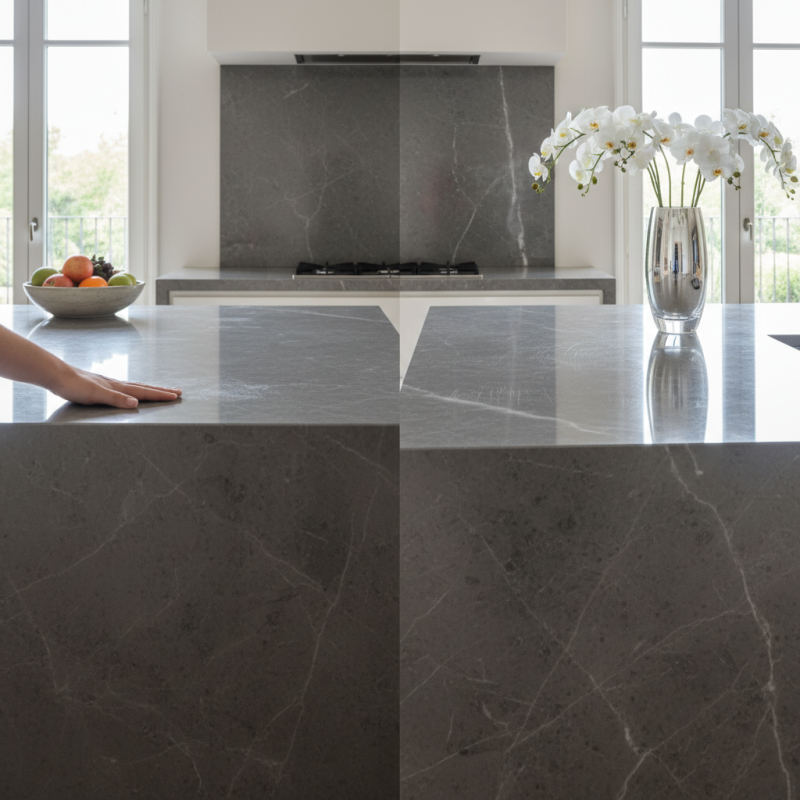
Honed finishes are gaining traction in the design world. They offer a unique, matte appearance that appeals to many homeowners and designers. According to a recent industry report, honed surfaces make up about 30% of the stone market due to their versatility and aesthetic qualities.
One major characteristic of honed finishes is their lower gloss level. This can hide imperfections better than polished finishes. However, the trade-off is a slightly more porous surface. This makes maintenance essential. Regular sealing is recommended to prevent staining, especially in kitchens and bathrooms.
Studies show that 55% of homeowners prefer the understated elegance of honed finishes. This choice could be related to the lower slip resistance; it's ideal for wet areas. However, it can feel cold and less inviting compared to polished surfaces. Caution is needed to balance aesthetics with practicality when choosing this finish.
A polished finish offers a
sleek and glossy appearance, making it a
popular choice for many surfaces. This finish is achieved through a careful process of
grinding and buffing the material until a shiny surface is formed. According to a
2022 industry report, polished finishes are preferred
in 60% of interior design applications
due to their aesthetic appeal and the ability to reflect light vividly.
Moreover, a polished finish provides some practical benefits. The smooth surface often
resists stains and spills better than other finishes, making cleaning more manageable.
This is supported by data from the National Association of
Home Builders, which indicates that homes with polished surfaces have
lower maintenance costs. However, a
polished surface might be prone to scratches and may show wear over time, especially in
high-traffic areas. This can be a drawback for many homeowners.
While polished finishes enhance visual appeal, they can also create a hazardous environment.
The glossy surface may be slippery when wet, which can lead to slips and falls. Homeowners
often overlook this aspect, focusing instead on aesthetics. Users should weigh these
pros and cons carefully to make
informed decisions about their projects.
When choosing between honed and polished finishes, understanding their key differences is essential. Honed finishes offer a matte surface, which absorbs light rather than reflects it. This can enhance the natural texture and color of the material. It’s often preferred for high-traffic areas, like kitchens and bathrooms, as it’s less prone to showing scratches and fingerprints. The subtle elegance of honed surfaces can create a warm and inviting atmosphere.
On the other hand, polished finishes are glossy and reflective. They create a luxurious look that can make spaces feel larger and more open. However, this reflective quality means that they can magnify imperfections. It’s crucial to weigh the aesthetic appeal against maintenance needs. Polished surfaces may require more frequent cleaning to maintain their shine. In contrast, honed finishes, while low-maintenance, can sometimes appear dull in certain lighting conditions. Understanding these nuances can lead to a more informed decision based on personal style and practicality.
This chart compares the pros and cons of honed and polished finishes based on a rating scale from 1 to 10. The pros and cons are evaluated according to their popularity and effectiveness in various applications. Honed finishes tend to offer a matte surface that is less slippery, while polished finishes provide a high-gloss look that enhances color and depth.
Honed finishes in design are often favored for their unique characteristics. They provide a softer, more muted appearance compared to polished surfaces. This aesthetic can create a more welcoming and relaxed atmosphere in residential and commercial spaces. According to the Natural Stone Institute, around 70% of designers prefer honed finishes for kitchen countertops and flooring due to their non-reflective quality.
Another significant advantage of honed finishes is their durability. The surface is less prone to scratches and is easier to maintain. A report from the Marble Institute of America indicates that honed surfaces often require less frequent sealing than polished finishes. This longevity in maintenance can make honed options appealing for high-traffic areas. However, they may absorb stains more readily. This potential downside requires careful consideration, especially in environments prone to spills.
Moreover, honed finishes offer excellent slip resistance, which is crucial in certain design applications. Data shows that slip-resistant surfaces can reduce accidents by up to 40%. Nevertheless, the initial roughness can be a barrier to some users who prefer a sleek look. Finding the right balance between aesthetics and practicality in honed finishes is essential.
Polished finishes are often favored for their sleek appearance and reflective qualities. However, there are notable drawbacks to consider. One significant con is their susceptibility to scratching. Polished surfaces can easily show wear over time, which can detract from their aesthetic appeal. Regular maintenance is required to keep them looking pristine, and this can be time-consuming.
Another critical issue is glare. Polished finishes can produce unwanted reflections in bright light. This can create discomfort in spaces where lighting is essential, such as work environments. Furthermore, in high-traffic areas, polished surfaces can become slippery. This can lead to safety concerns, especially in homes with children or the elderly.
Cost is another point of reflection. While polished finishes can elevate the look of a space, they may require a larger upfront investment. In industries where budget considerations are paramount, this can be a deterrent. Choosing the right finish ultimately requires weighing these pros and cons carefully.
| Finish Type | Pros | Cons |
|---|---|---|
| Honed Finish | 1. Matte appearance reduces glare 2. Better slip resistance 3. Hides scratches well 4. Less maintenance required 5. Natural look complements various designs |
1. Can appear dull 2. May absorb stains more easily 3. Requires sealing more frequently 4. Limited color options 5. Difficult to achieve high sheen |
| Polished Finish | 1. High gloss provides a luxurious look 2. Easier to clean and maintain 3. Enhances color depth 4. Reflects light, making spaces look larger 5. Variety of color options available |
1. Prone to showing scratches and fingerprints 2. Can be slippery when wet 3. High maintenance to keep shiny 4. May require special cleaners 5. Can reflect glare in bright spaces |
: A polished finish is a glossy surface created by grinding and buffing materials. It has a sleek appearance.
Polished finishes reflect light vividly and are preferred in 60% of interior designs for their aesthetic appeal.
Polished surfaces resist stains and spills, making cleaning easier than other finishes.
Polished surfaces can scratch easily and may show wear over time, especially in busy areas.
Honed finishes are matte and absorb light, while polished finishes are glossy and reflective.
Designers like honed finishes for their softer appearance and lower maintenance needs, especially in kitchens.
Yes, honed finishes are less prone to scratches and require less frequent sealing compared to polished ones.
Honed finishes offer excellent slip resistance, which can reduce accidents significantly in high-traffic areas.
Honed surfaces can absorb stains more easily, which requires careful consideration in spill-prone environments.
The choice between finishes should balance visual appeal and practicality, reflecting personal style and use needs.
Honed and polished finishes each offer unique characteristics and benefits that cater to different design preferences. Honed finishes are known for their matte appearance and improved slip resistance, making them ideal for flooring and high-traffic areas. Meanwhile, polished finishes provide a glossy look that enhances color depth and reflects light, which is perfect for achieving a sophisticated aesthetic.
When considering what are the pros and cons of honed vs polished finishes, it’s essential to weigh the advantages of honed surfaces, such as durability and ease of maintenance, against the potential downsides of polished finishes, like susceptibility to scratches and water spots. Ultimately, the choice between these finishes will depend on the specific requirements of the space and the desired visual effect.

Aura Stone