When it comes to natural stones, understanding the differences is essential. Knowing "how to distinguish between marble and natural quartzite" can save homeowners from costly mistakes. Expert geologist Dr. Emily Richards notes, "Even seasoned professionals can misidentify these stones without proper training."
Marble and quartzite have distinct characteristics. Marble is softer and more porous, making it prone to scratches and stains. Quartzite, on the other hand, offers greater durability and resistance to heat and chemicals. Observing their veining patterns can also provide clues; marble often showcases more dramatic swirls, while quartzite tends to have finer, more subtle lines.
Choosing the right stone depends on the intended use. For kitchen countertops, quartzite is often preferred for its resilience. However, marble's beauty can enhance spaces like bathrooms. Homeowners should consider their lifestyle before deciding. Misidentifying these stones can lead to regrets and unexpected challenges. Remember, knowledge is key in making informed choices.
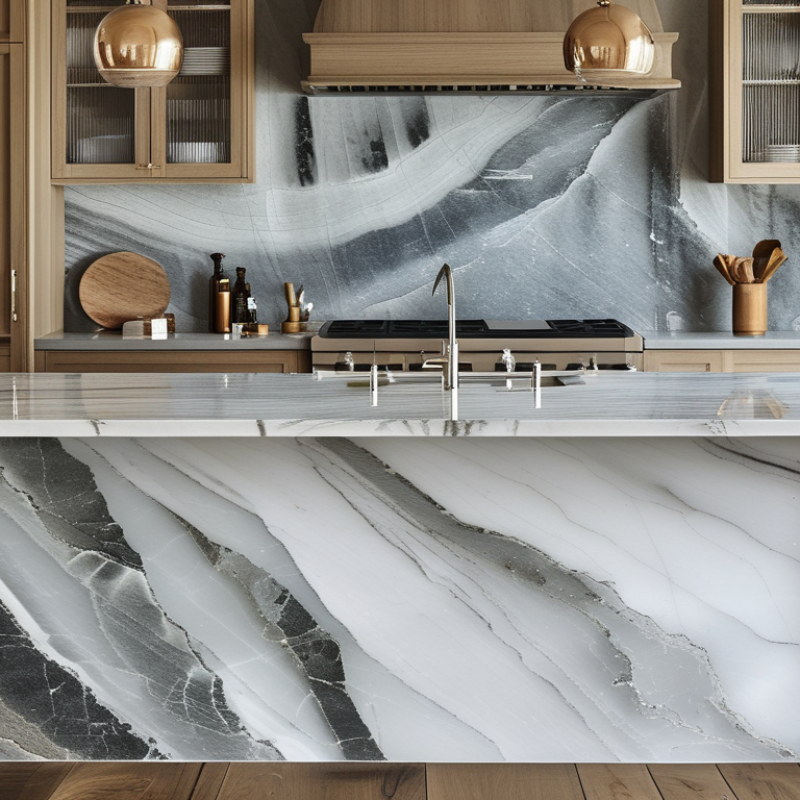
Marble and quartzite each have unique characteristics. Marble is a metamorphic rock, formed from limestone. It often contains varied colors and veining. Quartzite, on the other hand, is a hard metamorphic rock, created from sandstone. It typically has a more uniform appearance and is denser than marble.
Understanding the differences can help in choosing the right material for your project. Marble is softer, making it easier to carve or shape. However, this softness means it can be more susceptible to scratches and stains. Quartzite, being denser, resists wear and weathering. It’s an ideal choice for countertops and outdoor spaces.
Tips: When selecting between marble and quartzite, consider where the material will be used. For high-traffic areas, quartzite may be better. However, if aesthetics is the priority, marble offers timeless beauty. Always examine samples in different lighting to see their true colors and patterns. Inspect the surface texture as well; small imperfections may enhance character.
Differentiating between marble and quartzite is essential for homeowners and designers alike. While both materials boast striking aesthetics, they have unique visual characteristics. Marble typically features softer veins and a more textured surface, which can create a luxurious feel. In contrast, quartzite tends to exhibit a more crystalline appearance with bolder, more defined patterns. According to the Natural Stone Institute, quartzite is 7 on the Mohs hardness scale, while marble ranks around 3-4. This variance means that quartzite resists scratching and staining more effectively.
Color is another key visual differentiator. Marble often showcases a more muted palette with whites, creams, and softer pastels. Quartzite, however, can display vibrant hues, often inheriting colors from iron oxide and other minerals present during formation. A report from Statista indicates that the demand for quartzite has increased by 25% over the past five years, due to its durability and aesthetic versatility. These distinctions not only affect the material's appearance but also its use in different applications, showcasing the importance of understanding these differences when making design choices.
When selecting materials for construction and design, understanding the differences between marble and quartzite is crucial. Marble is known for its elegance and is commonly used in spaces that prioritize aesthetics, such as residential kitchens and luxurious bathrooms. According to the Natural Stone Institute, marble can contribute to a 10-15% increase in home value. Its classic veins and rich colors attract homeowners drawn to timeless beauty.
On the other hand, quartzite is extremely durable. It withstands heat, scratches, and moisture better than marble. This makes it ideal for high-traffic areas like commercial kitchens and outdoor spaces. Industry reports show that quartzite's demand has risen by 30% in recent years. Its resilience is appealing for those seeking functionality, especially in areas exposed to heavy use. Each stone has its unique placement, and the choice can significantly affect both design and practicality.
Choosing the right stone involves more than just preference. Knowing their properties helps prevent costly mistakes. Consider the intended use and maintenance when selecting between marble and quartzite. Choosing the wrong type can lead to premature wear or aesthetic displeasure. It’s worthwhile to weigh all factors carefully before making a decision.
When considering stone materials for countertops and flooring, marble and quartzite stand out. They each offer unique benefits and drawbacks. Marble, with its elegant veins and classic appearance, is often favored for its aesthetic appeal. It can elevate the look of any space, but it requires more maintenance. Marble is softer, making it prone to scratches and stains. Homeowners must be diligent in cleaning spills quickly.
Quartzite, on the other hand, is known for its durability. This natural stone can withstand high temperatures and resist scratches better than marble. Its unique patterns add a modern touch to interiors. However, quartzite's installation can be more complicated, often requiring professional help. The cost may also be a concern for budget-conscious projects.
Understanding the differences between these stones is essential. Many don’t realize how sensitive marble can be to acidic cleaners. However, quartzite can still chip under heavy impact. Each material has characteristics that may suit different lifestyles. Reflecting on personal usage and space requirements is crucial before making a decision. The choice ultimately hinges on balancing beauty with practicality.
When exploring natural stones, distinguishing mar ble from quartzite is essential. These materials are often used in
countertops, flooring, and other applications. Understanding how to identify them can save you from costly mistakes.
To identify marble, look for its characteristic veining and softer texture. Marble tends to have a more polished look, often featuring intricate patterns in shades of
white, gray, or even vibrant colors. A simple scratch test can reveal softness; marble is more prone to scratches than quartzite. Additionally, check for fizzing with vinegar. Marble will react due to its calcium carbonate content.
On the other hand, quartzite is much harder and denser. Its patterns resemble those of marble but usually feature more earthy tones. To identify quartzite, observe its texture; it feels more granular and has a shiny finish. If you have a glass object, try scratching the surface. Quartzite should withstand this test without any marks. Understanding these differences is crucial for selecting the right material for your project.
: Marble is softer and features varied colors. Quartzite is denser and has a more uniform appearance.
Marble is softer, making it easier to scratch and stain compared to harder stones.
Quartzite is more durable and resists wear, making it suitable for high-traffic spaces.
Consider the material's intended use, durability needs, and desired aesthetic for your project.
Yes, but quartzite is often preferred due to its resistance to weathering and higher durability.
Examine colors and patterns under different lighting. Look for surface texture and any small imperfections.
No, marble usually has a more muted palette, while quartzite displays bolder colors from minerals.
Yes, marble requires diligent cleaning and care to avoid damage from spills and stains.
Quartzite can withstand high temperatures, making it a practical choice for countertops.
Many don’t realize marble is sensitive to acidic cleaners, which can damage its surface.
Understanding how to distinguish between marble and natural quartzite is essential for anyone involved in design, architecture, or home renovation. Marble and quartzite, although both are stunning natural stones, have distinct properties that set them apart. Marble is softer and more porous, making it susceptible to scratches and stains, while quartzite is denser and more resistant to heat and wear.
Visually, these stones can be differentiated by their texture and color patterns; marble usually boasts more veining and a softer appearance, whereas quartzite tends to feature bolder colors and a sand grain-like texture. Each stone has unique applications—marble being popular for sculptures and bathroom surfaces, while quartzite is favored for countertops due to its durability. Understanding these differences not only aids in choosing the right material for a project but also ensures the longevity and aesthetic suitability of the stone in various settings.

Aura Stone