The question, "What is the difference between porcelain slabs and sintered stone?" requires careful consideration. Both materials have gained popularity in modern design applications. According to a report by the International Association of Architectural Tiles, the use of porcelain slabs in kitchens and bathrooms has increased by 35% over the past two years.
Industry expert Sarah Johnson stated, "Porcelain slabs offer durability, while sintered stone provides exceptional design versatility." This distinction is crucial for homeowners and designers alike. Porcelain is known for its low porosity and resistance to stains. In contrast, sintered stone is created through a process that mimics natural stone but offers unique benefits, such as customizable designs.
While choosing between these materials, reflect on their specific applications. Consider the environment in which they will be used and the desired aesthetic. It’s essential to understand that while both materials are durable, the choice may ultimately depend on individual project needs. Understanding these differences can significantly impact design and functionality in your space.
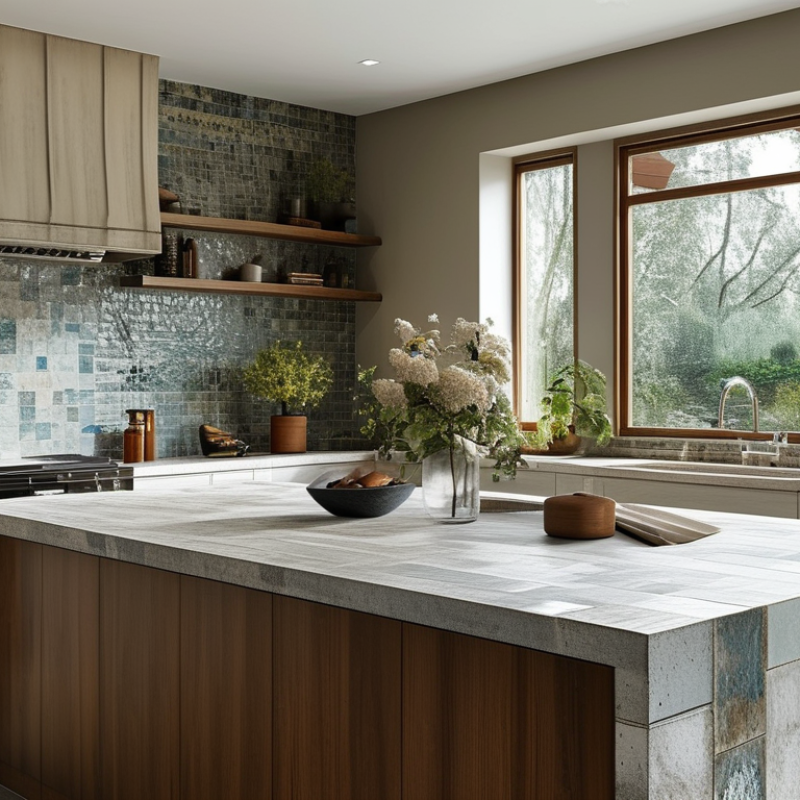
Differences in Composition: Porcelain Slabs vs. Sintered Stone
When comparing porcelain slabs and sintered stone, composition plays a crucial role. Porcelain slabs are made from natural clay, minerals, and water. They are refined and kiln-fired at high temperatures. This process results in a durable, non-porous surface. Many homeowners appreciate its resistance to stains and moisture.
Sintered stone, on the other hand, uses a different technique. It involves high-pressure compression and high temperatures to fuse raw materials like natural minerals, quartz, and glass. The result is a surface that mimics natural stone but is often lighter and more versatile. However, not everyone finds sintered stone as resilient as porcelain for heavy-duty applications.
Both materials have their strengths and weaknesses. Some users report chipping on edges of sintered stone when subjected to heavy impacts. Conversely, while porcelain slabs are robust, they can be prone to cracking under severe conditions. Choosing between them often depends on personal preferences and specific project needs. Each material presents unique characteristics that might not suit every situation.
Durability and Strength: A Comparative Analysis of Both Materials
When comparing porcelain slabs to sintered stone, durability and strength stand out as critical factors. Porcelain slabs are made from natural clay, while sintered stone is crafted through a process that involves high temperature and pressure. This difference in manufacturing leads to distinct characteristics.
Sintered stone generally exhibits higher resistance to both scratches and heat. According to industry reports, sintered stone can withstand temperatures up to 1200°C without warping. In contrast, porcelain slabs can handle moderate heat but risk damage at extreme temperatures. Durability tests show that sintered stone shows less wear over time, making it a preferred choice for high-traffic areas.
Tips: When selecting materials, consider the environment. For outdoor use, sintered stone’s resistance to UV light is beneficial. Porcelain, while aesthetically pleasing, may require more maintenance to maintain its appearance.
It's important to note that while sintered stone offers superior properties, it can be heavier and more difficult to install. Porcelain slabs, while less durable, are lightweight and easier to cut, making them a good option for DIY projects. Weigh the pros and cons based on your specific needs.
Applications and Uses: Where to Choose Porcelain Slabs or Sintered Stone
When deciding between porcelain slabs and sintered stone, understanding their specific applications is crucial. Porcelain slabs are known for their aesthetic appeal. They come in various colors and finishes, making them popular for countertops and wall cladding. Due to their density, they demonstrate excellent resistance to scratches and stains. Industry reports indicate that porcelain slabs can withstand temperatures up to 1200°C, making them suitable for kitchen environments.
On the other hand, sintered stone is a product of intense heat and pressure applied to mixed raw materials. It boasts a high level of durability and is less porous than porcelain. Many designers recommend it for flooring and high-traffic areas because of its lower water absorption rate. A recent study highlighted that sintered stone can absorb only about 0.1% water, positioning it as an ideal choice for both indoor and outdoor use.
Choosing between the two involves considering aesthetics versus functionality. Porcelain offers variety but may chip easily in high-impact situations. Sintered stone excels in durability yet can be less diverse in visual options. Each material has its strengths, thus requiring careful evaluation based on specific project needs.
Difference Between Porcelain Slabs and Sintered Stone Explained
| Feature |
Porcelain Slabs |
Sintered Stone |
| Material Composition |
Clay, feldspar, quartz |
Natural minerals under high pressure |
| Thickness |
Typically 6mm to 12mm |
Usually 12mm to 20mm |
| Weight |
Lighter, less dense |
Heavier and denser |
| Durability |
Highly resistant to scratches and stains |
Excellent resistance to heat and impact |
| Applications |
Kitchen countertops, wall cladding |
Exterior facades, flooring |
| Cost |
Generally lower cost |
Higher price range |
Cost Analysis: Pricing and Value Considerations for Each Option
When comparing porcelain slabs and sintered stone, cost analysis plays a crucial role. Porcelain slabs typically range from $40 to $100 per square foot, depending on the quality and design. On the other hand, sintered stone often costs between $60 and $150 per square foot. While both materials offer durability, sintered stone’s price reflects its advanced manufacturing process, which involves compacting natural minerals under extreme heat and pressure.
Understanding the value of these materials is essential. Porcelain is relatively lightweight and easy to install, reducing labor costs. However, sintered stone often provides better resistance to scratches and thermal shocks. This can justify its higher upfront price for those seeking long-term investment in high-traffic areas. Industry analysts suggest that buyers consider not just material cost, but also maintenance expenses over time.
Tip: Always request samples before purchasing. This allows you to gauge texture, color, and suitability for your project.
Another consideration is the availability of colors and designs. While porcelain offers a range of options, sintered stone's unique aesthetics might appeal to specific design visions. Be sure to weigh these factors against your budget. Ultimately, the right choice hinges on both immediate costs and potential longevity.
Maintenance Requirements: Long-term Care for Porcelain and Sintered Surfaces
When it comes to maintenance, both porcelain slabs and sintered stone have unique care requirements. Porcelain is known for its durability and resistance to stains. Regular cleaning with mild detergents can keep it looking new. It typically requires minimal maintenance, making it a popular choice for busy environments.
Sintered stone, on the other hand, is slightly more complex. It can handle high temperatures and is scratch-resistant. However, the surface may need sealing after installation to enhance its longevity. According to industry reports, up to 15% of sintered surfaces may show wear over time without proper care. Regular sealing can significantly extend its life and maintain its appearance.
Tips:
For both materials, avoid harsh chemicals during cleaning. Instead, opt for natural solutions like vinegar or baking soda. Ensure that you use coasters under hot items to prevent thermal shock. It’s easy to overlook these small details but doing so can save future headaches. Regular inspection for scratches or stains will help in early maintenance.
FAQS
: The main materials are porcelain slabs and sintered stone.
Porcelain slabs are made from natural clay through a specific manufacturing process.
Sintered stone can withstand temperatures up to 1200°C, while porcelain can handle moderate heat.
Yes, sintered stone has a lower water absorption rate, about 0.1%, making it suitable for various settings.
Porcelain slabs come in various colors and finishes, making them visually appealing for countertops and wall cladding.
Porcelain slabs are lightweight and easier to cut, simplifying the installation process.
Porcelain slabs typically range from $40 to $100 per square foot, while sintered stone costs between $60 and $150.
Consider durability, heat resistance, aesthetic appeal, and maintenance needs based on the project environment.
Sintered stone can be heavier and may require more challenging installation techniques.
Samples help you assess texture, color, and ensure the material fits your project needs before purchasing.
Conclusion
When exploring home renovation materials, you might wonder, "What is the difference between porcelain slabs and sintered stone?" Both materials offer unique advantages, starting with their composition; porcelain slabs are made from clay and other natural materials, while sintered stone is engineered by compacting various minerals at high temperatures. This foundational difference influences their durability and strength, with sintered stone generally being more resilient to heat and scratches.
In terms of applications, porcelain slabs are often preferred for countertops and backsplashes, while sintered stone excels in more demanding environments such as flooring and exterior facades. From a cost perspective, both options vary in pricing, so it is essential to consider value carefully. Lastly, maintenance requirements also differ, with porcelain requiring less upkeep than sintered stone over time. Understanding these contrasts will help you make an informed decision based on your project needs.

 Aura Stone