How Does CNC Technology Enhance Precision in Marble Patterns?

Time:2026-06-01 Author:Sienna
0%

CNC technology has revolutionized the marble industry by enhancing precision in patterns. Experts like Dr. Alice Henderson, a leading figure in stone fabrication, once stated, “CNC machines have transformed how we approach marble design.” Her perspective highlights an important shift in craftsmanship.

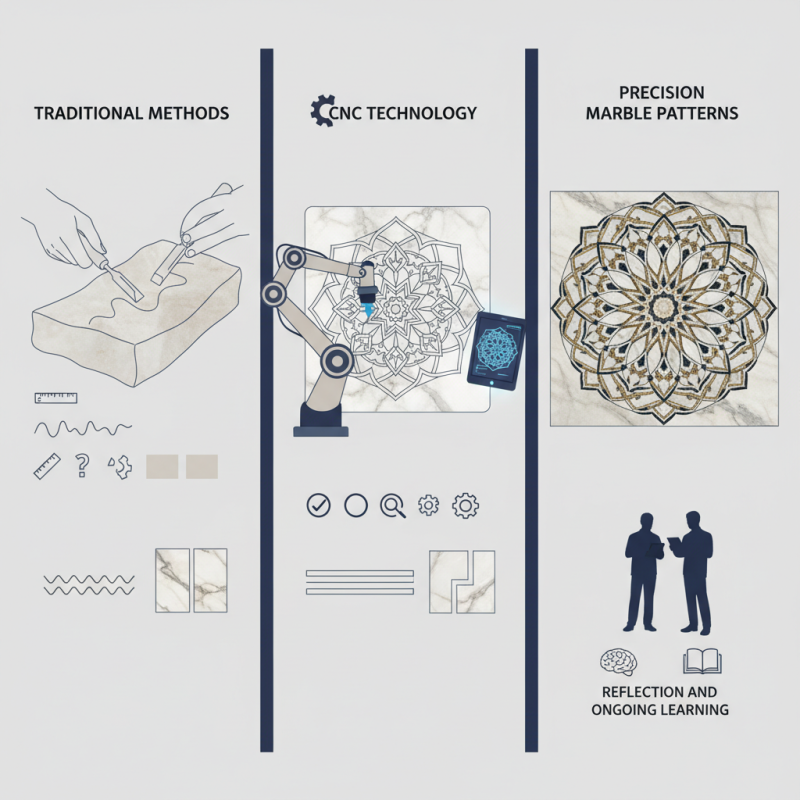
Precision is key when creating intricate marble patterns. Traditional methods often led to inconsistencies and errors. With CNC technology, the process is automated. This reduces human error and increases accuracy. Patterns that were once deemed too complex can now be executed flawlessly.

However, adopting CNC technology is not without challenges. It requires skilled operators who understand both the machines and the material. As the industry evolves, some craftsmen may struggle to adapt. It raises a question: How does CNC technology improve marble pattern precision? The answer lies in the balance of technology and artistry. This requires reflection and ongoing learning.
How Does CNC Technology Enhance Precision in Marble Patterns?

The Role of CNC Technology in Precision Marble Pattern Creation

CNC technology has revolutionized the marble industry by dramatically enhancing precision in creating intricate patterns. Reports indicate that CNC machining can achieve tolerances as tight as ±0.01 mm. This level of accuracy is critical for marble installations, where even minor deviations can alter the aesthetic quality of an entire piece. The ability of CNC machines to replicate complex designs ensures that each cut is uniform, reducing waste and improving the overall quality of marble products.

With CNC technology, designers can translate digital patterns into physical shapes. This process allows for the automation of tasks previously performed by skilled artisans. However, reliance on machinery has sparked a debate. While CNC enhances precision, it can diminish the artistry and craftsmanship often associated with hand-carved marble. Many argue that the unique imperfections found in handcrafted pieces give them character.

The industry must grapple with balancing technology and traditional methods. As CNC technology advances, some artisans fear losing their unique touch. Reports show that CNC machines are becoming more accessible, yet the challenge remains for craftsmen to retain their identity in a technology-driven landscape. Striking this balance is essential for the future of marble pattern creation.

Key CNC Techniques for Enhancing Marble Design Accuracy

CNC technology has revolutionized marble design by enhancing precision in intricate patterns. One key technique is the use of 3D modeling. This allows designers to create accurate representations of patterns before cutting. The software tracks every detail, ensuring that the final product matches the design closely. However, mistakes in the design phase can still occur, leading to unexpected flaws in the final piece.

Another crucial method involves advanced CNC machining. With laser and waterjet cutting, precise patterns emerge effortlessly. These machines can create complex shapes that manual tools struggle to achieve. Yet, reliance on these technologies may cause some artisans to lose traditional skills. Striking a balance between CNC efficiency and handcrafted artistry is vital for authentic marble design.

Additionally, the use of high-quality materials ensures that the final marble patterns have a lasting impact. Choosing the right stone contributes to the design's overall aesthetic. Nonetheless, the availability of superior materials can vary, impacting project timelines. Designers must remain flexible and adaptive, ready to adjust as challenges arise. Embracing these realities fosters growth in mastering CNC techniques while maintaining a commitment to excellence.

Industry Standards: Precision Measurements in Marble CNC Machining

In the realm of marble CNC machining, precision is paramount. The industry adopts strict guidelines for measurement to ensure consistent quality. Accuracy affects not only aesthetics but also the durability of the final product. CNC technology enhances this precision by automating the cutting process. It relies on computer software that interprets design files with immaculate detail.

Measuring marble accurately can be challenging. Variations in stone density or surface imperfections can lead to discrepancies. A skilled operator must consider these factors when setting up the machining process. Even with advanced technology, human oversight is essential. The interplay of machine precision and human expertise creates a reliable production environment.

Maintaining industry standards is critical. These standards dictate acceptable tolerances and dimensions. They also guide the testing of finished products. Certified inspectors often check dimensions against established benchmarks. This process, while thorough, may reveal inconsistencies. Continuous improvement is necessary to uphold these standards. The journey of perfecting marble CNC machining is ongoing, marked by meticulous attention to detail and a commitment to excellence.

Case Studies: CNC Innovations in the Stone Fabrication Sector

CNC technology has been a game-changer in the stone fabrication sector, particularly in enhancing precision within marble patterning. A recent report from the Stone Fabricators Alliance highlighted that CNC machines can produce marble patterns with tolerances as tight as 0.1 mm. This level of accuracy allows designers to create intricate designs that were previously impossible. However, not all CNC applications yield perfect results—some designs may suffer from slight misalignments due to machine calibration issues.

In real-world case studies, companies have adopted various CNC innovations to improve efficiency. For instance, one company reported a 30% increase in production speed after integrating a CNC waterjet cutter into their workflow. Another case study showed that employees felt empowered, leading to a 15% drop in overall errors. Yet, the dependency on technology also brings challenges. Some workers expressed concerns about losing traditional skills. The balance between advanced technology and craftsmanship remains a topic of reflection within the industry.

Moreover, while the benefits are clear, not every project benefits equally from CNC methods. Certain designs with complex textures may still require hand finishing, highlighting a limitation in automation. This interplay between CNC technology and manual expertise urges the industry to rethink how these processes can be harmonized for optimal results.

Measuring the Impact of CNC on Marble Carving Precision Metrics

CNC technology significantly affects the precision metrics of marble carving. Traditional methods rely heavily on human skill, leading to variations in patterns. CNC machines provide a much-needed solution. They use computer-controlled processes to execute intricate designs. The result is a consistent quality that greatly enhances the final product.

One specific metric impacted is dimensional accuracy. CNC machines can achieve tolerances within a fraction of a millimeter. This level of precision was often unattainable with manual carving. However, complexities can arise. Even the most advanced systems require regular calibration and maintenance. Variations in marble density can also affect outcomes.

Moreover, the adaptability of CNC technology offers both opportunities and challenges. Designers can experiment with various patterns, pushing creative boundaries. Yet, this freedom can lead to over-reliance on technology. Sometimes, the human touch is lost. Reflecting on this balance is crucial for refining the process. Finding harmony between machine precision and artistic input is an ongoing journey in marble craftsmanship.

FAQS

: What is the importance of precision in marble CNC machining?

: Precision ensures consistent quality and affects both aesthetics and durability of the final product.

What challenges exist when measuring marble accurately?

Variations in stone density and surface imperfections can lead to discrepancies during measurement.

How does human expertise factor into CNC machining?

Skilled operators must manage variables, ensuring a reliable production environment alongside machine precision.

What role do industry standards play in marble CNC machining?

Standards dictate tolerances, dimensions, and guide the testing of finished products for quality assurance.

What are common issues that arise with CNC applications?

Some designs may experience misalignments due to machine calibration issues, leading to imperfect results.

How has CNC technology impacted production efficiency in stone fabrication?

Companies integrating CNC machines have reported increased production speeds, sometimes by as much as 30%.

Are there limitations to using CNC technology in marble design?

Complex textures may still require hand finishing, reflecting some limits of automation in the craft.

What concerns do workers have about CNC technology?

Some workers worry about losing traditional skills as the industry adopts more advanced technology.

How do designers use CNC technology for creative patterns?

CNC machines allow experimentation with various patterns, though this can lead to over-reliance on machines.

Why is reflecting on the balance between technology and craftsmanship important?

Finding harmony between machine precision and artistic input is vital to enhance the marble craftsmanship process.

Conclusion

CNC technology plays a pivotal role in enhancing precision in marble pattern creation, as detailed in the outline of an insightful article. By employing advanced techniques such as Computer Numerical Control programming and automated cutting processes, CNC technology significantly improves the accuracy of marble designs. This progress aligns with industry standards that emphasize precision measurements in marble machining, ensuring that every detail of the pattern adheres to exact specifications.

Moreover, various case studies highlight innovative applications of CNC in the stone fabrication sector, illustrating the transformative impact of this technology on marble carving precision metrics. Ultimately, the exploration of "How does CNC technology improve marble pattern precision" reveals its essential contribution to achieving exceptional quality and intricate designs in marble craftsmanship, further pushing the boundaries of artistic possibilities in this classic material.

Sienna

Sienna

Sienna is a skilled marketing professional with a deep expertise in our company’s core products and services. With a passion for innovation and detail, she plays a pivotal role in crafting insightful blog posts that not only highlight the unique features of our offerings but also provide valuable......