Choosing the right stone for high-traffic flooring is a crucial decision. The durability and aesthetic of the stone can significantly impact both function and appearance. “Which stone is best for high-traffic commercial flooring?” is a question that industry experts often encounter. According to Andrew Simon, a flooring specialist at Stone Solutions, “The right stone must withstand daily wear and tear while maintaining its beauty.”
In high-traffic areas, challenges abound. Floors endure constant foot traffic, heavy equipment, and spills. Selecting a material that combines strength and style is essential. For instance, granite and quartzite are often recommended for their resilience. They resist scratches and stains better than softer stones.
However, the choice can be subjective. Aesthetic preferences vary, and what works for one environment might fail in another. Additionally, the installation and maintenance costs can be daunting. Some business owners may overlook these aspects, leading to regret later. Reflecting on these decisions is vital to ensure a satisfactory long-term outcome.
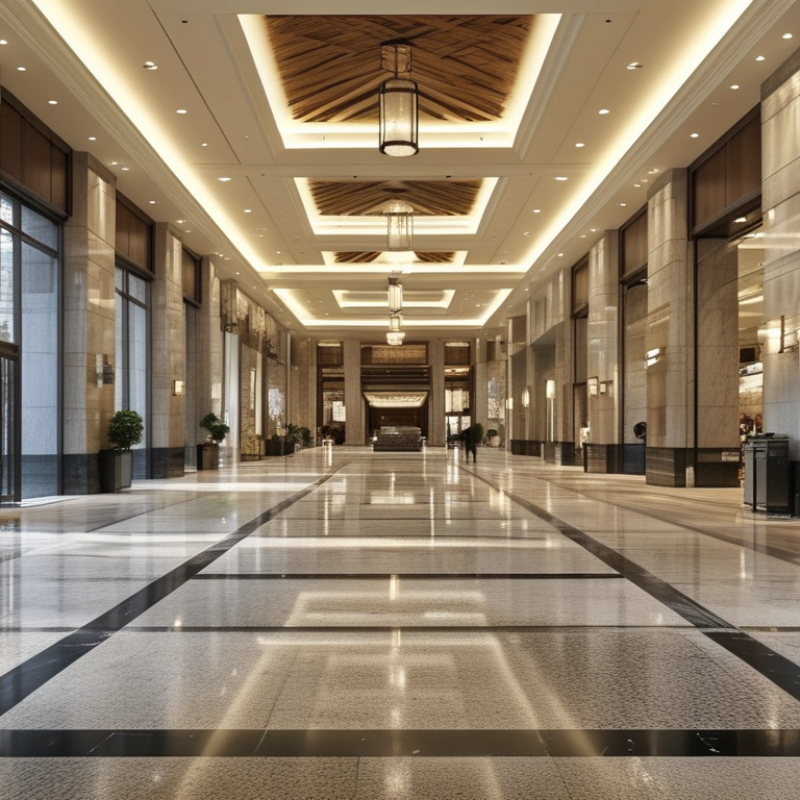
Importance of Material Durability in High Traffic Flooring
Choosing the right stone is crucial for high traffic areas. Durable flooring can significantly enhance both safety and aesthetics. When selecting materials, consider the wear and tear they will face.
Stone options like granite and slate are popular for their strength and resistance to scratches. They can endure foot traffic without losing their charm.
Material durability is vital in commercial spaces. It affects maintenance costs and longevity. A softer stone may require frequent replacements, which can become expensive. Even the most beautiful stone can fall short if it doesn’t withstand daily use. Uneven surfaces or scratches can pose hazards, jeopardizing safety.
Finding the right balance between appearance and practicality is essential. A stone’s finish can also impact its longevity.
Polished stones may look stunning but can be slippery. Alternatively, textured finishes can enhance grip but may wear down faster. Engaging with flooring professionals can help navigate these complexities. Their insights can guide selections that meet both aesthetic preferences and durability needs. The right choice benefits both the space and those who use it daily.
Evaluating Different Stone Options for High Traffic Areas
When selecting stone for high-traffic flooring, durability is crucial. Natural stones like granite and quartzite offer impressive longevity. They resist scratching and wear caused by constant foot traffic. However, their maintenance needs can vary. Some stones require more sealants to protect against staining. Regular upkeep is essential to keep them looking pristine.
On the other hand, softer stones like limestone may not be suitable for bustling areas. They can wear down more quickly, leading to uneven surfaces. This can pose safety hazards. The color and texture of the stone also influence its performance. Darker stones may hide dirt better, but lighter stones can brighten a space. Yet, they may show scuffs more readily, requiring more frequent cleaning.
Ultimately, it’s essential to weigh aesthetics against practicality. Choosing the right stone requires careful consideration of its expected lifespan and how it fits into your space. Reflecting on these factors can guide wiser decisions.
Impact of Maintenance Requirements on Stone Selection
When selecting stone for high-traffic flooring, maintenance demands play a vital role. The type of stone chosen can drastically affect upkeep requirements. A report from the Natural Stone Institute highlights that up to 60% of maintenance costs arise from improper stone selection. If a stone is porous, it may require more frequent sealing and cleaning, leading to higher long-term expenses.
Different stones present distinct maintenance needs. For instance, marble is aesthetically pleasing, yet it is prone to scratching and staining. In contrast, granite, with its low porosity, demands less frequent sealing. According to a study by the Marble Institute of America, choosing granite can reduce maintenance efforts by at least 30% over five years compared to less durable stones.
Ignoring the maintenance aspect can result in unforeseen challenges. Selecting the wrong stone might lead to regular repairs or replacements, which can disrupt business operations. It’s essential to balance aesthetic desires with maintenance practicality. Long-term costs must be factored into the stone selection process. This approach ensures durability while minimizing maintenance burdens.
Cost-Effectiveness of Various Stones for High Traffic Use
Choosing the right stone for high traffic flooring can significantly impact cost-effectiveness. According to the Marble Institute of America, materials like granite and quartz significantly outperform softer stones like travertine or limestone in durability. High traffic areas require flooring that can withstand wear and tear without frequent replacements.
Investing in durable stones may have higher upfront costs, but they offer better long-term savings. For instance, the National Flooring Association reports that granite flooring can last over 30 years with proper maintenance. It requires less frequent replacement, reducing both material and labor costs. While softer stones might seem budget-friendly, their susceptibility to scratches and stains can lead to unexpected expenses.
Research suggests that the lifecycle cost of flooring should be considered. A study by the Construction Specifications Institute highlights that initial costs comprise only 20% of the total lifecycle cost. The remaining 80% includes maintenance, operation, and replacement. Therefore, selecting resilient stones is not just a choice; it is a strategic decision that can affect a budget over years. Balancing durability with upfront investments leads to informed, cost-effective decisions in high traffic settings.
Aesthetic Considerations in Choosing Stone for Busy Spaces
Choosing the right stone for high traffic flooring significantly affects both functionality and aesthetics. In busy areas, the material must withstand heavy foot traffic while still looking appealing. According to the Natural Stone Institute, properly selected stone can last for decades without losing its shine. However, many people overlook how certain stones, such as terrazzo and polished granite, can enhance the visual aspect of a space.
A stone's color and pattern can greatly impact a room's atmosphere. Light-colored stones can brighten areas, making them feel more spacious. Darker shades, on the other hand, can create a cozy, intimate setting. A study from the National Association of Home Builders emphasizes that choosing the right colors can increase property value. Yet, some trends can feel dated quickly. It is important to balance style and longevity when making a selection.
Durability is essential, but the aesthetics can't be ignored. Many stones require sealants that may wear off over time. Regular maintenance becomes necessary to keep them looking new. Consider this aspect when planning budgets. Investing in a high-quality stone may yield better long-term returns, both in durability and appearance, but not all choices are perfect for everyone. Reflecting on personal style and the specific use of a space can lead to the best decisions.
FAQS
: Maintenance demands and durability are key factors. A stone’s upkeep needs can greatly influence costs.
Porous stones require more frequent sealing and cleaning, increasing long-term maintenance expenses.
Marble is more prone to scratching and staining. Granite has lower porosity, needing less frequent care.
Yes, choosing durable stones like granite may lower maintenance needs by at least 30% over five years.
Aesthetic appeal, color, and pattern are important. They can influence the atmosphere and property value.
Light-colored stones brighten spaces, while dark shades create a cozy ambiance. Trends can quickly become outdated.
Ignoring maintenance can lead to unexpected repairs. A balance ensures both beauty and practicality over time.
Quality stones may provide better durability and appearance, but not all options suit everyone's needs.
Trends may feel dated soon. Reflecting on personal style and space use can guide better decisions.
Consider both initial costs and long-term maintenance expenses. Regular upkeep can significantly affect budgeting.
Conclusion
Choosing the right stone for high-traffic flooring is crucial due to the demands placed on these surfaces. Durability is paramount, as high-traffic areas require materials that can withstand significant wear and tear. Evaluating different stone options involves assessing their strength, slip resistance, and ability to handle heavy foot traffic without showing signs of damage. Additionally, maintenance requirements play a vital role in the selection process; some stones may require more upkeep, which can impact long-term costs.
When considering cost-effectiveness, it’s essential to balance the initial investment with the longevity and maintenance expenses of the stone. Aesthetic considerations are also important; the stone selected should complement the overall design of the space while being practical for its intended use. Ultimately, the question remains, which stone is best for high-traffic commercial flooring? Selecting the right stone involves a comprehensive evaluation of durability, maintenance, cost, and visual appeal to ensure it meets the demands of busy environments.

 Aura Stone