China Top 10 Tips for Choosing Stone Thickness for Kitchen Islands?

Time:2026-05-07 Author:Mason
0%

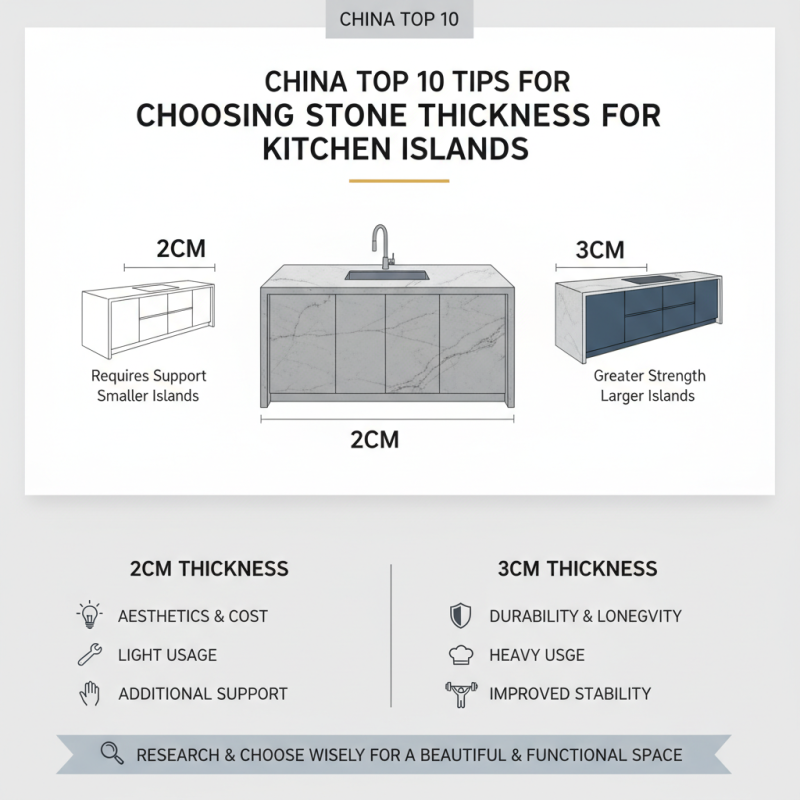
Choosing the right stone thickness for kitchen islands is crucial for durability and aesthetics. According to industry reports, many homeowners overlook this key aspect. The stone thickness can significantly impact the island’s performance and longevity. Generally, the most common thicknesses range from 2cm to 3cm.

Experts recommend 3cm for larger islands, as it provides more strength. This thickness is less prone to cracking under pressure. On the other hand, 2cm can be sufficient for smaller surfaces but may require additional support. Many installers suggest considering the island's usage. If the island serves as a workspace frequently, opting for thicker stone is wise.

Mind the potential imperfections in style and usability. Some might initially favor thinner options for styling but recognize they might compromise stability. Making informed choices hinges on understanding your specific needs. Research shows that many buyers regret not investing in proper thickness. Overall, knowing how to choose the right stone thickness for kitchen islands is essential for a fully functional and beautiful space.
China Top 10 Tips for Choosing Stone Thickness for Kitchen Islands?

Understanding the Importance of Stone Thickness for Kitchen Islands

Choosing the right stone thickness for your kitchen island is crucial. It affects durability, aesthetics, and functionality. A report from the Natural Stone Institute highlights that countertops less than 2 centimeters thick can lack the strength needed for heavy use. Thicker options, typically 3 centimeters, provide increased resistance to chipping and cracking.

Weight is a significant factor too. Heavier stones require more robust cabinetry and support. For example, granite can weigh around 14 pounds per square foot. Thus, inadequate support can lead to sagging or damage over time. Homeowners must consider the structure beneath their chosen material.

While many opt for thinner stones for style, they may underestimate potential risks. Thinner surfaces can also limit installation options, as they might need additional reinforcement. Selecting stone thickness is not merely about appearance; it's about the overall kitchen experience. Balancing beauty with practical durability is essential.

Evaluating Kitchen Island Size and Layout for Optimal Thickness

When selecting stone thickness for a kitchen island, size and layout are crucial factors. A spacious kitchen allows for thicker stone without overwhelming the design. However, if your island is compact, lighter materials with moderate thickness might be more suitable. This creates an inviting and balanced look.

Consider the function of your kitchen island. Is it primarily for cooking, dining, or entertaining? For high-use islands, a thickness of 1.5 to 2 inches could provide the durability needed. Thinner options might look sleek, yet they can be more prone to chipping. Reflecting on your lifestyle and usage can guide your choice effectively.

Think about the overall aesthetic. A thicker stone can project a bold statement, while a thinner one might deliver a delicate touch. Be mindful of the visual weight in your kitchen. Functionality and style should work hand in hand. Balancing these elements ensures that your kitchen island is both practical and visually appealing.

Exploring Different Stone Materials and Their Thickness Options

When choosing stone materials for kitchen islands, thickness greatly affects both aesthetics and functionality. Granite offers a common choice, available in thickness ranging from 2 to 3 cm. According to the Marble Institute of America, thicker slabs (3 cm) not only enhance durability but also provide a more luxurious appearance. Thinner options may lead to cracks or chips, especially in high-use areas.

Quartz is another popular material, providing a non-porous surface with thicknesses from 2 cm to 3 cm. Its resilience against stains and scratches makes it ideal for busy kitchens. Recent research by the National Association of Home Builders found that homeowners prefer 3 cm quartz for its robust feel, despite a higher upfront cost.

When considering marble, it typically comes in 2 cm or 3 cm thickness. While 3 cm offers superior strength, its porous nature can lead to staining if not sealed properly. The choice of thickness also impacts installation costs. Aim for a balance between aesthetics and practicality to ensure your kitchen island meets daily demands while reflecting your style.

Assessing Durability and Maintenance Needs Related to Stone Thickness

When selecting stone thickness for kitchen islands, durability is a key factor. Thicker stones generally resist chips and cracks better than thinner options. For a busy kitchen, choose at least 2cm thickness. It provides a good balance of strength and aesthetics. Moreover, 3cm stones offer even better durability, making them ideal for high-traffic areas. Consider the impact of daily use on the material strength.

Maintenance needs also vary based on stone thickness. Thicker stones tend to be more resilient, reducing the frequency of repairs. However, all stones require some care. For instance, sealing is essential. This helps prevent stains and preserves the stone’s appearance. A well-maintained thick stone countertop can last decades. But neglect can lead to costly damage.

Pay attention to how each thickness responds to wear over time. Some thicker stones may not require as much maintenance, but they can be expensive. Think critically about your kitchen habits before making a choice. A balance between style, durability, and upkeep is essential. Make informed decisions to match your lifestyle with the right stone thickness.

Stone Thickness Impact on Durability and Maintenance for Kitchen Islands

This chart illustrates the durability ratings for various types of stones based on their thickness, helping homeowners assess the best materials for their kitchen islands. Generally, thicker stones provide better durability and lower maintenance needs.

Budget Considerations: Cost Implications of Different Stone Thicknesses

When choosing stone thickness for kitchen islands, budget considerations can be daunting. Thicker stones often cost more due to increased material usage. For example, a standard 1.25-inch thick slab may be half the price of a 2-inch one. However, it’s essential to consider the long-term value. Thicker stones generally offer better durability and resistance to chipping, which can be worth the initial investment.

Some homeowners may choose a thinner stone to save on costs. This can lead to future expenses, like repairs or replacements. A 3/4-inch thickness may suffice for less-used surfaces, yet it can struggle under heavy pots and pans. Reflecting on how often you use your kitchen is vital. Evaluating your cooking habits helps in making a wiser decision.

Ultimately, there is no one-size-fits-all answer. Each choice carries implications for your budget and usability. Balancing aesthetics with functionality can get tricky. It's important to think deeply about how much you want to spend now versus later.

China Top 10 Tips for Choosing Stone Thickness for Kitchen Islands - Budget Considerations: Cost Implications of Different Stone Thicknesses

Stone Type Thickness (cm) Cost per sq. meter (¥) Durability Rating Maintenance Ease
Granite 3 ¥1200 High Low
Marble 2 ¥1500 Medium Medium
Quartz 2.5 ¥1400 High Low
Soapstone 3.5 ¥1100 Medium High
Limestone 2 ¥900 Low Medium
Travertine 3 ¥950 Medium Medium
Onyx 2.5 ¥2000 Low High
Basalt 4 ¥1300 High Medium
Concrete 5 ¥800 Very High Low
Slate 2 ¥1000 Medium High
Reconstituted Stone 2 ¥950 Medium Low

FAQS

: What is the importance of stone thickness for kitchen islands?

: Stone thickness affects durability, aesthetics, and functionality in kitchen islands.

What happens with stones less than 2 cm thick?

Stones under 2 cm may lack the strength for heavy use and risk chipping.

Why is weight a consideration when choosing stones?

Heavier stones need stronger cabinetry to avoid sagging and potential damage over time.

How does thickness affect the installation of stone countertops?

Thinner stones often require additional reinforcement during installation to prevent issues.

What thickness is recommended for busy kitchens?

At least 2 cm thickness is recommended for a good balance of strength and aesthetics.

How does maintenance differ with stone thickness?

Thicker stones usually resist damage better, reducing repair frequency but still require sealing.

What can happen if stone countertops aren't maintained?

Neglecting care can lead to costly damage over time, affecting the stone's appearance.

Is there a difference in durability between 2 cm and 3 cm stones?

Yes, 3 cm stones offer superior durability and are ideal for high-traffic areas.

How can one evaluate the right thickness for their kitchen habits?

Reflect on daily usage and consider balancing style with practicality before deciding.

What should homeowners be cautious about with thinner stones?

Thinner options may be stylish but can chip easily and limit installation choices.

Conclusion

When considering how to choose the right stone thickness for kitchen islands, it is essential to understand the importance of thickness in relation to both aesthetics and functionality. The size and layout of the kitchen island play a critical role in determining the optimal thickness, ensuring that the design complements the overall space. Various stone materials, such as granite, quartz, and marble, offer different thickness options, each with unique characteristics that affect durability and maintenance needs.

Furthermore, assessing the durability of the chosen stone is vital, as thicker stones typically provide better resistance to chips and cracks. Budget considerations also come into play, as different thicknesses can significantly influence overall costs. By carefully evaluating these factors, homeowners can make informed decisions that enhance both the beauty and practicality of their kitchen islands.

Mason

Mason

Mason is a seasoned marketing professional with a deep expertise in the company's offerings and a passion for driving brand awareness. With a strong background in digital marketing strategies, he has an innate ability to connect with diverse audiences and effectively communicate product benefits.......