Natural stone surfaces add beauty and elegance to our homes. However, they require careful maintenance. Understanding what chemicals should you never use on natural stone is crucial for preserving their integrity.
According to Dr. Jane Peterman, a leading expert in stone care, “Certain chemicals can cause irreversible damage to natural stone surfaces.” Products containing vinegar, lemon, or bleach are often mentioned when discussing harmful substances. These common household items can erode the stone's finish. Acidic cleaners can be especially damaging, leading to etching and dullness.
Many homeowners might be unaware of the risks. A simple mistake could result in costly repairs. Each stone type has unique needs, making it essential to read labels carefully. Ignoring proper care guidelines can lead to regret. Inadequate knowledge often leads to poor cleaning choices, sacrificing beauty for convenience.
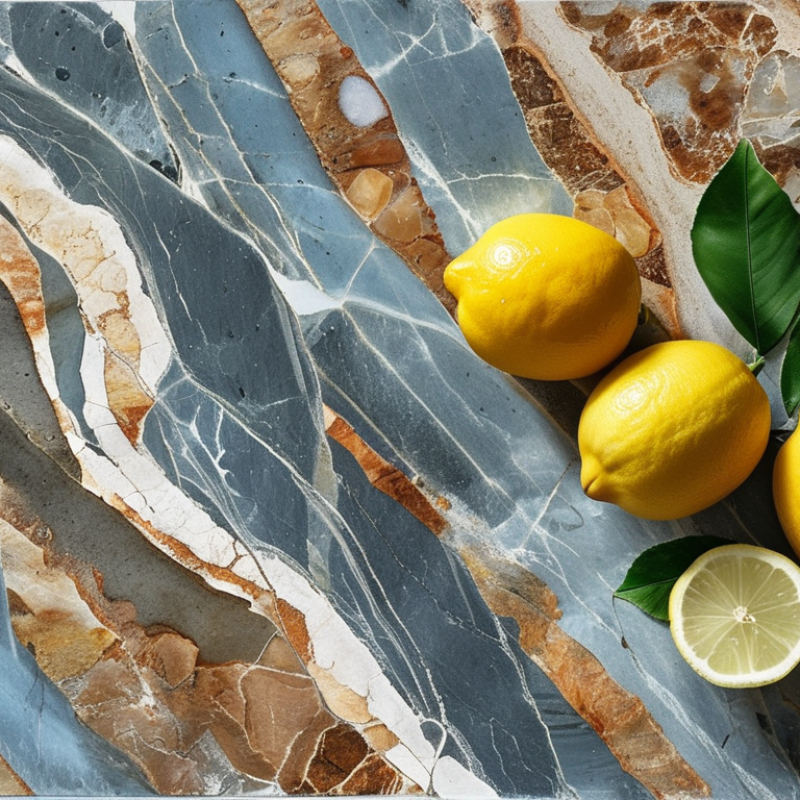
Natural stone surfaces are beautiful and durable. However, some common chemicals can pose risks to their integrity. Acids like vinegar and lemon juice can etch and dull the stone. Reports indicate that a significant percentage of homeowners may unknowingly use these substances, leading to costly repairs.
Another concern is bleach. While it disinfects, bleach can stain and corrode natural stone. Studies show that up to 30% of cleaning products contain harmful substances. Many users believe they are being safe but may actually damage their surfaces over time. It's essential to check labels and understand the composition of cleaning products.
Professional sources highlight that pH balance is crucial for stone maintenance. Alkaline cleaners, often preferred for their effectiveness, can harm some stones, such as marble and limestone. It’s a common misjudgment that all natural stone can tolerate the same products. Awareness and education on safe cleaning practices are vital for preserving the beauty of natural stone.
Natural stone surfaces add beauty to any interior. However, harsh chemicals can significantly impact their integrity. Using acidic or abrasive cleaners can lead to etching and dullness. Over time, these effects accumulate, gradually diminishing the stone's natural luster.
Choosing safer alternatives is crucial for maintaining the elegance of natural stone. Gentle pH-balanced cleaners are effective and less harmful. Always test a small, inconspicuous area first. This simple step can prevent unwanted damage to your surfaces.
Tips: Always avoid bleach and ammonia. They can weaken the stone structure. Instead, use a mixture of warm water and mild soap. Regular sealing can also protect against stains and spills. Remember, your choice of cleaning products matters immensely. The right ones preserve the natural beauty and longevity of your stone.
Cleaning and maintaining natural stone requires a careful approach. Many harsh chemicals can damage these surfaces. Instead, consider using safer alternatives that clean effectively without harming the stone.
A mixture of mild dish soap and warm water works wonders. It’s gentle yet effective for routine cleaning. For tougher stains, a baking soda paste can be applied. Mix baking soda with water until it forms a thick paste. Apply it to the stain and allow it to sit for a while before rinsing off. This method is simple and eco-friendly.
Tips: Always test any solution on a small, hidden area first. This will ensure it does not cause discoloration. Avoid acidic cleaners like vinegar or lemon juice; they can etch the stone. Regular dusting with a soft cloth can prevent scratches and keep surfaces looking fresh. Implementing these safe practices ensures the longevity of your natural stone surfaces.
Natural stone surfaces are beautiful but sensitive. They require careful maintenance to maintain their integrity. Many standard cleaning products contain harsh chemicals that can damage these surfaces. For instance, acidic cleaners can etch the stone, leading to permanent marks.
To protect natural stone, it's important to use pH-balanced cleaners. According to a study from the Natural Stone Institute, using the correct cleaning products can extend the lifespan of stone surfaces by up to 30%. Regular sealing is also vital. Sealing prevents stains and moisture from penetrating the stone, preserving its natural beauty.
Avoid using abrasive scrubbers. These can scratch the surface, creating grooves where dirt can accumulate. A soft cloth or sponge is preferable. Regular dusting and immediate addressing of spills further enhances stone longevity. Finally, keeping humidity levels in check prevents mold growth.
| Chemical | Potential Damage | Safe Alternatives | Usage Notes |
|---|---|---|---|
| Acidic Cleaners | Etching and discoloration | pH-neutral cleaners | Use for regular cleaning |
| Bleach | Staining and surface damage | Baking soda and vinegar | Only for tough stains |
| Oil-based Cleaners | Residue buildup | Water-based cleaners | Choose for sealed stones |
| Ammonia | Cloudiness and damage | Mild soap and water | Do not mix with acids |
Natural stone materials are popular for their beauty and durability. However, certain chemicals can be harmful to both the stones and our environment. Common substances, like harsh acids and alkaline cleaners, can degrade natural stone surfaces over time. A report from the Natural Stone Institute highlights that improper cleaning methods can shorten the lifespan of stone. Understanding chemical impacts is crucial for proper maintenance.
When handling natural stone, avoid using abrasive cleaners. These can scratch surfaces and create a dull appearance. Always test a small area first. Instead, opt for a pH-neutral cleaner. This helps protect the stone's integrity while ensuring safety in your workspace. Studies show that using non-toxic alternatives can reduce environmental harm significantly.
Tips: Maintain a clean environment. Regularly remove dust and debris from your stones to prevent scratches. Consider sealing stones periodically. A good sealant can act as a protective barrier, enhancing durability while keeping the natural beauty intact. Evaluate your cleaning routine often. Are your methods effective? Are you using the safest products?
: Acids like vinegar and lemon juice can etch and dull natural stone surfaces.
Bleach can stain and corrode stone, despite being a good disinfectant.
It's essential to check for harmful substances in cleaning products to avoid damage.
No, not all natural stones can handle the same products, especially alkaline cleaners.
A mix of mild dish soap and warm water is a gentle and effective cleaner.
A baking soda paste can help. Apply it to the stain and let it sit before rinsing.
Sealing prevents stains and protects against moisture, helping to maintain the stone's beauty.
Use soft cloths or sponges. Avoid abrasive scrubbers that can scratch the surface.
Regular dusting helps prevent scratches and keeps the stone looking fresh.
High humidity levels can lead to mold growth on natural stone surfaces.
When it comes to maintaining the beauty and integrity of natural stone surfaces, it is crucial to be aware of the chemicals that can cause harm. What chemicals should you never use on natural stone? Common offenders include acidic cleaners like vinegar, lemon juice, and certain commercial products containing bleach or ammonia, which can erode the stone's finish and integrity.
To ensure the longevity of your natural stone, opt for safe alternatives such as pH-neutral cleaners specifically designed for stone surfaces. Best practices include regular sealing and gentle cleaning techniques to protect your natural stone. Additionally, adhering to environmental safety guidelines is essential when working around these materials to prevent unintentional damage to both the surfaces and the surrounding environment. Taking these steps will help maintain the aesthetics and durability of your natural stone for years to come.

Aura Stone