What Causes Hairline Cracks in Natural Stone Countertops?

Time:2026-05-09 Author:Aria
0%

Natural stone countertops are prized for their beauty and durability. However, a common concern among homeowners is the question, "What causes hairline cracks in natural stone countertops?" According to a 2022 report by the National Kitchen and Bath Association, approximately 40% of homeowners encounter issues with hairline cracks over time. These cracks can significantly detract from the countertop's aesthetic while raising questions about long-term reliability.

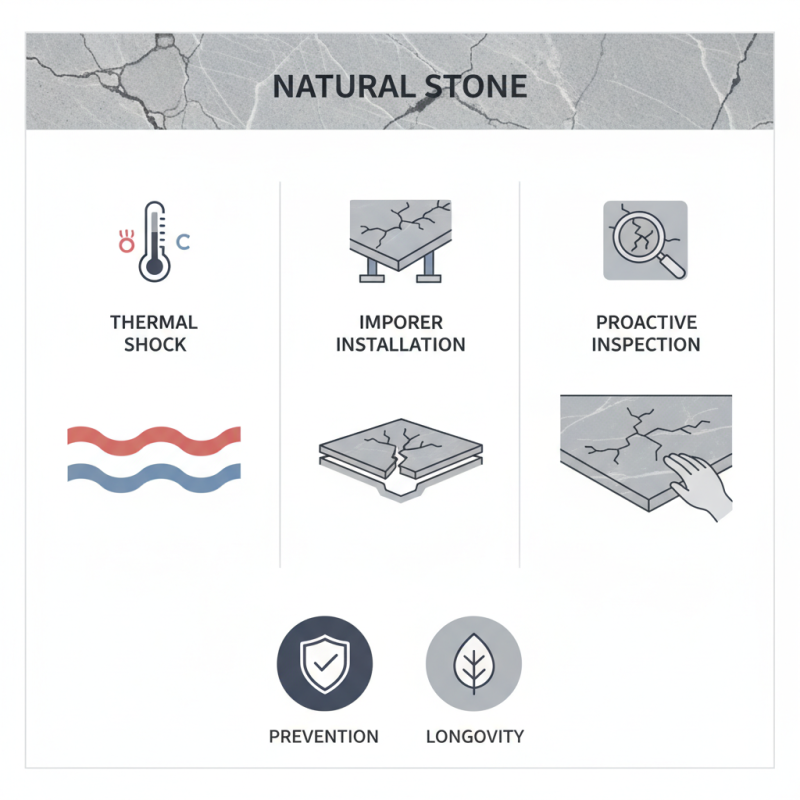
Several factors contribute to the formation of hairline cracks. One primary reason is thermal shock. Sudden temperature changes can stress the stone. Additionally, improper installation is often a culprit. A survey by the Stone Fabricators Alliance revealed that nearly 30% of stone countertop damage stems from inadequate support during installation. It's crucial to recognize that even high-quality materials are susceptible to these issues, emphasizing the need for careful handling and proper installation techniques.

While many factors can cause hairline cracks, understanding them is essential for prevention and maintenance. Homeowners should regularly inspect their countertops for any signs of distress. This proactive approach can help mitigate issues before they worsen. By raising awareness about what causes hairline cracks in natural stone countertops, we can promote better care practices and enhance the longevity of these stunning surfaces.
What Causes Hairline Cracks in Natural Stone Countertops?

Understanding Natural Stone Composition and Its Impact on Durability

Natural stone countertops are admired for their beauty and durability. However, hairline cracks can appear over time. Understanding the composition of natural stone is crucial to recognizing how it affects durability. Granite, marble, and limestone have unique properties that influence their resilience. Each type contains minerals and varying porosity levels, which contribute to strength and vulnerability.

Certain factors can cause these cracks. Temperature changes and sudden impacts can stress the stone. For instance, placing a hot pot on a cool surface may create tension. Water infiltration can worsen cracks, especially in porous stones. It's essential to maintain a consistent environment. Regular sealing helps protect the surface and minimizes damage.

Despite their elegance, natural stones are not flawless. Even well-cared-for countertops can develop small cracks over time. Homeowners should inspect their surfaces regularly and address any signs of wear. Awareness is key to preserving the beauty and integrity of natural stone. Taking proactive measures can enhance its lifespan while being realistic about its care.

Common Causes of Hairline Cracks in Granite and Marble Countertops

Hairline cracks in granite and marble countertops can be a frustrating issue for homeowners. These tiny fissures are not just an aesthetic concern; they can potentially lead to more significant damage. According to a report by the Natural Stone Institute, about 10% of granite countertops experience some degree of cracking within a few years of installation. This emphasizes the need for proper understanding and care.

Several common causes contribute to hairline cracks in stone surfaces. One major factor is thermal shock, which occurs when a hot object is placed on a cool surface. The rapid temperature change can stress the stone, leading to cracks. Additionally, inadequate support during installation may result in pressure points, creating weaknesses where cracks are likely to develop. The industry notes that nearly 15% of installation errors are due to insufficient reinforcement underneath the stone slabs.

Another aspect to consider is the natural composition of the stone itself. Both granite and marble can have inherent flaws, such as fissures and veins. These imperfections can become visible over time, especially with heavy use. Regular maintenance can help detect these issues early. A study indicated that 40% of homeowners do not regularly seal their stone surfaces, increasing vulnerability to damage. Understanding these common causes can empower homeowners to take proactive measures to protect their beautiful countertops.

Common Causes of Hairline Cracks in Natural Stone Countertops

Environmental Factors Contributing to Hairline Cracks in Natural Stone

Environmental factors play a significant role in the formation of hairline cracks in natural stone countertops. Temperature fluctuations can cause expansion and contraction within the stone. When stone surfaces heat up or cool down rapidly, stress builds up, leading to cracks. In regions with extreme weather, this problem becomes more pronounced.

Humidity is another critical factor. High moisture levels can weaken the stone's structure over time. Rainy conditions may lead to water seeping into any tiny fissures, promoting further crack development. Maintenance practices often overlook the impact of environmental conditions. Failing to seal the stone properly can leave it vulnerable to these stresses.

Additionally, heavy objects placed on the countertops can exert pressure on weaker spots. Movement from heavy usage over time can exacerbate existing vulnerabilities. Each of these factors highlights the need for awareness when choosing and caring for natural stone surfaces. Understanding these risks can help homeowners make informed decisions, ultimately extending the life of their countertops.

What Causes Hairline Cracks in Natural Stone Countertops? - Environmental Factors Contributing to Hairline Cracks in Natural Stone

Environmental Factor Description Impact Level
Temperature Fluctuations Rapid changes in temperature can cause stone to expand and contract, leading to cracks. High
Moisture Levels Excess moisture can seep into porous stones, causing them to weaken and crack. Medium
UV Exposure Prolonged exposure to sunlight can lead to fading and degradation of stone surfaces. Medium
Improper Installation Poor installation techniques can lead to uneven stress on the stone, resulting in cracks. High
Chemical Exposure Certain cleaning chemicals can react negatively with stone surfaces, leading to deterioration. Medium
Heavy Objects Placing heavy items on the countertop can create pressure points, leading to cracking. Medium

Preventive Measures to Avoid Hairline Cracks in Stone Surfaces

Hairline cracks in natural stone countertops can stem from various causes, but preventive measures are crucial to maintain their beauty and functionality. A study by the Marble Institute of America states that temperature fluctuations and sudden impacts are significant factors contributing to these cracks. Homeowners can minimize risks by using trivets under hot pans and avoiding direct heat exposure.

Additionally, regular maintenance plays a vital role in prevention. Sealing stone surfaces every six months can protect against moisture infiltration. According to the Natural Stone Institute, properly sealed countertops can reduce crack formation by up to 40%. However, many people overlook sealing, thinking it’s an unnecessary step. Neglecting this simple task can lead to costly repairs later.

Ensure you use the right cleaning products. Harsh chemicals can weaken stone integrity over time. A pH-neutral cleaner is often recommended. Yet, many still resort to abrasive cleaners. This choice can detrimentally affect stone quality. It's essential to educate oneself on suitable care methods to prolong the life of these surfaces and reduce the chance of hairline cracks.

Repairing and Maintaining Hairline Cracks in Natural Stone Countertops

Hairline cracks in natural stone countertops can be frustrating. They might not seem severe, yet they can lead to larger issues if neglected. Regular maintenance is essential to prevent these cracks from developing. Clean your countertops gently using pH-balanced cleaners. Avoid abrasive materials that might scratch the surface, allowing dirt to penetrate.


Repairing hairline cracks is a delicate process. You can use a color-matched epoxy to fill in the cracks. Clean the area thoroughly before applying the epoxy. Make sure you follow the instructions carefully for proper adhesion. After application, sand down any rough edges gently. This ensures a smooth finish that blends well with the stone.


Tips: Always inspect your countertops for any signs of damage. Look for discoloration or uneven surfaces. This proactive approach can save you time and money on repairs. Also, consider sealing your countertops regularly. A good sealant can help protect the stone from moisture, which often causes cracking. By staying attentive, you can preserve the beauty of your natural stone countertops for years to come.

FAQS

: What causes hairline cracks in natural stone?

: Temperature changes can cause expansion and contraction, leading to cracks. Rapid heating or cooling creates stress within the stone.

How does humidity affect natural stone?

High moisture can weaken the stone structure. Water can seep into tiny fissures and promote further crack development.

Why is sealing important for stone countertops?

Sealing every six months protects against moisture. Unsealed stone is more vulnerable to cracks and damage over time.

What are some preventive measures for hairline cracks?

Use trivets under hot items. Avoid direct heat and ensure regular maintenance for better durability.

Can heavy objects cause cracks in stone?

Yes, heavy items can exert pressure on weaker areas, exacerbating vulnerabilities and increasing the risk of cracks.

What cleaning products should be avoided for stone surfaces?

Harsh or abrasive cleaners can weaken stone integrity. A pH-neutral cleaner is a better choice for maintenance.

How often should stone countertops be sealed?

It's recommended to seal countertops every six months to protect against moisture and limit damage.

Are there misconceptions about sealing stone?

Many homeowners believe sealing is unnecessary, which can lead to costly repairs later due to increased crack formation.

How does neglecting maintenance impact stone surfaces?

Neglected maintenance can lead to serious deterioration. Regular care is essential to prevent cracks and prolong the stone's life.

Is it easy to overlook preventive measures?

Yes, many homeowners often neglect crucial steps, like sealing, thinking they are unimportant. This oversight can be costly.

Conclusion

Natural stone countertops, such as granite and marble, are prized for their beauty and durability. However, homeowners often wonder, "What causes hairline cracks in natural stone countertops?" Several factors contribute to this phenomenon, including the natural composition and mineral content of the stone itself, which can impact its strength. Common causes include physical stress from heavy objects, thermal shock from extreme temperature changes, and improper installation practices that can lead to structural weaknesses.

Environmental factors also play a significant role, as exposure to moisture, humidity, and fluctuating temperatures can cause the stone to expand and contract, resulting in cracks. To prevent such damage, it is essential to take preventive measures, such as sealing the stone, using cutting boards, and maintaining a stable environment. In cases where hairline cracks do occur, timely repair and proper maintenance can help restore the countertop's appearance and longevity, ensuring it remains a stunning focal point in the home.

Aria

Aria

Aria is a dedicated marketing professional with a deep passion for innovative strategies and a keen understanding of our company's product offerings. With a wealth of experience in the industry, Aria excels at crafting engaging content that highlights the unique features and benefits of our......