Best Ways to Calculate Weight Load for Stone Wall Cladding?

Time:2026-07-21 Author:Mason
0%

Calculating the weight load for stone wall cladding is crucial for structural safety. Stone cladding adds significant weight, requiring careful assessment. According to a report by the National Stone Institute, improper load calculations can lead to severe structural failures.

Michael Brenner, a leading expert in structural engineering, emphasizes this point. He states, "Understanding how to calculate the weight load for stone wall cladding is essential to ensure longevity and safety." This underscores the need for precise measurements and considerations when designing stone wall systems.

Incorporating factors like stone density and wall dimensions is vital. Miscalculations can result in costly mistakes and unsafe structures. Ensuring you have the right data can prevent these issues. It's more than just numbers; it's about responsibility and careful planning.
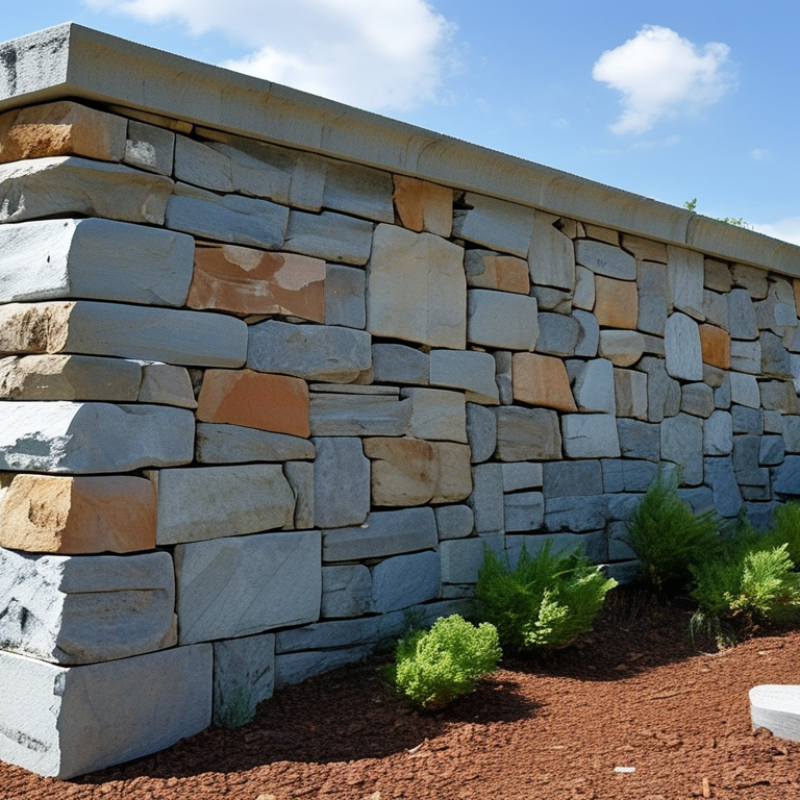
Best Ways to Calculate Weight Load for Stone Wall Cladding?

Understanding the Importance of Weight Load Calculations for Stone Walls

Calculating the weight load for stone wall cladding is crucial for structural integrity. The weight of natural stone can be significant, often ranging from 80 to 120 pounds per square foot. Understanding how to calculate this load ensures that the underlying structure can support the weight. Without proper calculations, walls may crack or even fail under excessive load.

Many studies highlight that improperly estimated loads can lead to costly repairs. A report from the National Stone Institute emphasizes that structural failure can occur when walls exceed their load limits by as little as 10%. This data underlines the need for accurate measurements and adherence to local building codes. An experienced engineer should assess both the stone selected and the substrate’s capability to handle the load.

Additionally, stone density varies widely depending on the type used. For instance, granite might weigh more than limestone. Inconsistent loads may create weak points. These inconsistencies highlight the importance of detailed calculations for each specific project. Relying on generic estimates can lead to miscalculations, resulting in potential safety hazards. Balancing aesthetics with safety should be a primary concern when planning stone cladding.

Factors Influencing the Weight Load of Stone Wall Cladding Materials

When calculating the weight load for stone wall cladding, several factors must be considered. The type of stone significantly influences the overall weight. For instance, limestone averages about 150 lb/ft³, while granite can weigh up to 175 lb/ft³. This difference impacts not only structural integrity but also installation requirements. A detailed analysis shows that a stone wall exceeding 10 feet tall may require additional support if using heavier materials.

The thickness of the stone also plays a crucial role. Standard stones used in cladding are often 1 to 2 inches thick. Thicker stones, while more durable, add additional load to the structure. Choosing a lightweight alternative, like engineered stone, can alleviate some stress on walls. A report from the Natural Stone Institute emphasizes the importance of material selection. An inappropriate choice can lead to excessive load, causing structural failures.

Moisture retention is another significant factor. Many stones absorb water, which can increase their weight significantly. Alongside weight, the moisture content can affect the wall’s overall stability. An industry study shows that a wet stone can weigh 30% more than when dry. Thus, builders must assess environmental conditions and choose materials wisely. Understanding these factors ensures that the stone cladding performs effectively and lasts longer.

Best Ways to Calculate Weight Load for Stone Wall Cladding?

Material Type Weight (lb/sq ft) Load Factor Thickness (inches) Installation Method
Granite 15 1.5 1 Thin-set
Limestone 10 1.0 2 Mechanical
Slate 12 1.2 1.5 Natural
Marble 14 1.4 1 Adhesive
Sandstone 11 1.1 2 Thin-set

Step-by-Step Guide to Calculate the Weight Load of Stone Wall Cladding

When calculating the weight load for stone wall cladding, a methodical approach is essential. Begin with gathering detailed measurements of the wall's surface area. Understanding the thickness and type of stone is crucial. For instance, natural stone can weigh between 75 to 150 pounds per cubic foot, depending on the type. This variability impacts your overall calculations significantly.

Next, apply the formula: Weight = Volume × Density. Measure the wall's length, width, and height to find the volume. Multiply this by the stone's density to ascertain total weight load. Soil and wall condition must also be factored in, as they affect the wall's integrity. According to a report from the American Concrete Institute, proper evaluation of load-bearing capacity can reduce failure risks by up to 40%.

Often, builders overlook the impact of dynamic loads like wind or seismic activity. These forces can add stress to the wall structure, making accurate calculations even more critical. Industry studies recommend consulting licensed engineers to determine building codes in your area. This ensures your cladding not only looks good but remains safe and secure over time. Always plan for potential errors in your calculations to avoid future structural issues.

Tools and Techniques for Accurate Weight Load Measurement

When it comes to calculating the weight load for stone wall cladding, using accurate tools and techniques is critical. Utilizing a digital load cell is a reliable method for measuring force and weight. For example, a study by the American Concrete Institute emphasizes the importance of precise weight measurement in construction. A digital load cell can provide readings with an accuracy of ±0.1%, ensuring that the weight load is accounted for properly.

In addition, employing a structural analysis software can aid in evaluating load distribution effectively. According to the International Organization for Standardization, correct calculations can help maintain structural integrity and prevent failures. These software options can simulate various conditions, allowing engineers to assess how the stone cladding will perform under different weight loads.

Heritage organizations often recommend periodic reinforcement checks. It is essential to understand that neglecting these inspections can lead to unforeseen challenges. While tools are designed for accuracy, human error can still occur. Clear documentation and training on load measurement techniques are vital. Engaging with established engineering guidelines and industry reports can further enhance reliability in measurement and calculations.

Weight Load Calculation for Stone Wall Cladding

This chart illustrates the weight load of various types of stone used in wall cladding, measured in pounds per square foot. Understanding these weights is crucial for accurate structural assessments and ensuring the integrity of the wall systems.

Common Mistakes to Avoid When Calculating Weight Load for Stone Walls

When preparing to calculate the weight load for stone wall cladding, it’s critical to avoid common mistakes that can lead to serious issues. One frequent error is ignoring the wall’s height and thickness. These dimensions directly impact the overall weight. Be sure to measure accurately before proceeding.

Another mistake is underestimating the stone's weight. Different types of stones have varying densities. Failing to check these specifics can result in miscalculations. Always refer to reliable resources when determining the density of your materials.

Tips: Use a scale to weigh smaller stone samples. This step gives you a better estimate of the total weight. Additionally, consider consulting with a structural engineer. They can provide insights into weight distribution and structural integrity. Taking these precautions can save you time and resources down the line.

FAQS

: Why is calculating weight load for stone walls important?

: It ensures structural integrity and prevents walls from cracking or failing under excessive load.

How much can natural stone weigh per square foot?

Natural stone typically weighs between 80 to 120 pounds per square foot.

What can happen with improper weight load calculations?

Improper calculations can lead to costly repairs and potential structural failure.

How do I calculate the weight load of stone cladding?

Use the formula: Weight = Volume × Density.

What should I consider when measuring for stone cladding?

Consider the wall's surface area, stone thickness, and type.

How does stone density affect calculations?

Different stones have varying densities, impacting overall weight load significantly.

Why should I consult an engineer for stone cladding?

An engineer ensures that weight loads comply with local building codes and safety standards.

Are dynamic loads important in weight load calculations?

Yes, dynamic loads like wind or seismic activity can add stress to the structure.

How can errors in calculations be avoided?

Always plan for potential errors and conduct thorough evaluations.

What is a consequence of exceeding load limits by even 10%?

It can lead to serious structural issues, emphasizing the need for accuracy.

Conclusion

In constructing stone wall cladding, understanding how to calculate the weight load is crucial for ensuring structural integrity and safety. The article outlines the importance of these calculations, highlighting that factors such as material type, wall height, and design play significant roles in determining the overall weight load.

A step-by-step guide is provided to simplify the calculation process, along with tools and techniques that enhance accuracy. Additionally, it addresses common mistakes to avoid, ensuring that builders and homeowners alike can confidently execute these calculations. By mastering how to calculate the weight load for stone wall cladding, one can achieve not only aesthetic appeal but also a durable and secure design.

Mason

Mason

Mason is a seasoned marketing professional with a deep expertise in the company's offerings and a passion for driving brand awareness. With a strong background in digital marketing strategies, he has an innate ability to connect with diverse audiences and effectively communicate product benefits.......