2026 Best Porcelain Slabs vs Sintered Stone What to Choose?

Time:2026-05-01 Author:Sienna
0%

In recent years, the popularity of innovative materials for home design has surged. Two contenders in this market are porcelain slabs and sintered stone. These materials are often compared due to their aesthetic appeal and durability. However, when searching for answers, many ask, "What is the difference between porcelain slabs and sintered stone?"

A recent industry report noted that porcelain slab sales increased by 12% in 2022. This growth showcases their versatility in applications, from countertops to wall facades. Conversely, sintered stone, known for its superior resistance to scratches and heat, has also gained traction. A survey highlighted that 78% of designers prefer sintered stone for high-traffic areas.

Despite these benefits, consumers face challenges when choosing between the two. Durability can vary based on manufacturing processes. Some products may not meet expectations. Therefore, it is essential to assess each material’s qualities carefully before deciding. In a market filled with options, analysis and informed choices become paramount.
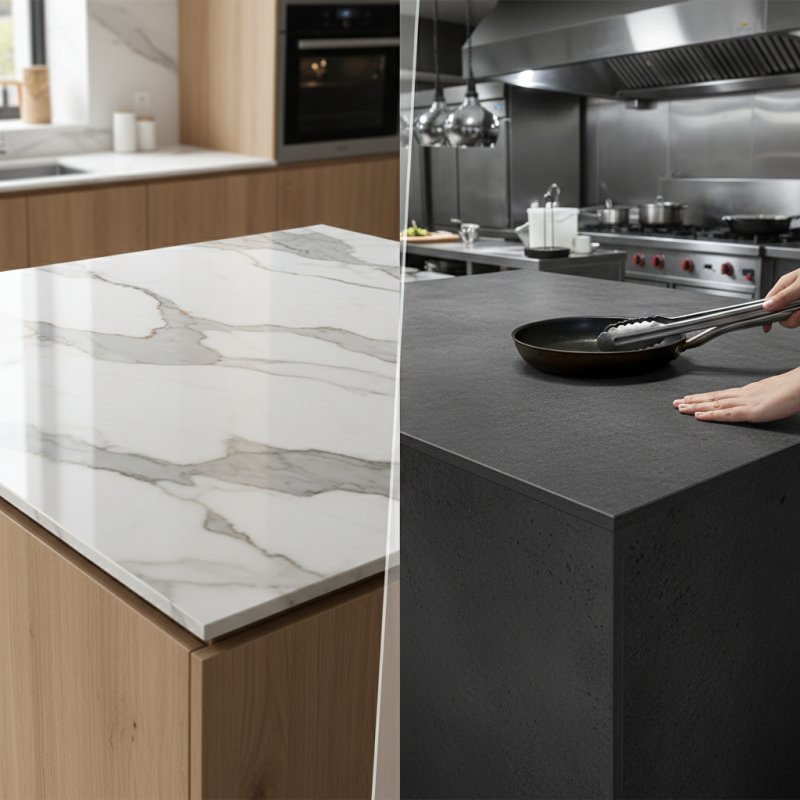
2026 Best Porcelain Slabs vs Sintered Stone What to Choose?

Comparison of Porcelain Slabs and Sintered Stone: An Overview

When choosing between porcelain slabs and sintered stone, it is essential to understand their characteristics. Porcelain slabs are made from kaolin, feldspar, and other clays. These materials are fired at high temperatures, resulting in durable surfaces. They can withstand high heat and are resistant to scratches. A study shows that porcelain slabs can have a water absorption rate of less than 0.1%. This low rate enhances their durability and makes them suitable for countertops in kitchens and bathrooms.

On the other hand, sintered stone combines advanced technology with natural materials. It is engineered under immense pressure and heat, which gives it remarkable strength. This material is highly resistant to UV rays and maintains its color over time. However, sintered stone can be more susceptible to impact damage compared to porcelain. Industry reports indicate that sintered stone has a lower tensile strength than porcelain, raising concerns for heavy-duty applications.

Both materials have unique advantages and potential drawbacks. Homeowners should consider their specific needs. Porcelain may be better for high-traffic areas due to its durability. However, sintered stone offers superior aesthetics with a versatile range of finishes. Appropriate choice requires careful thought about functionality, maintenance, and design goals for any project.

2026 Best Porcelain Slabs vs Sintered Stone: Comparison Overview

Feature Porcelain Slabs Sintered Stone
Material Composition Natural clay, minerals, and water Natural stone powders, pigments, and resins
Thickness 6mm to 20mm 3mm to 20mm
Durability Highly durable; resistant to scratches and stains Very durable; resistant to scratches, heat, and UV rays
Weight Moderate weight Lightweight
Applications Countertops, flooring, wall coverings Countertops, flooring, outdoor areas
Aesthetic Variety Wide range of designs and colors Natural look, various textures and colors
Cost Lower to mid-range Mid to high-range

Key Characteristics of Porcelain Slabs: Durability and Aesthetics

Porcelain slabs are gaining popularity for their impressive durability. Made from fine clay, they undergo intense firing. This process strengthens them, making them resistant to scratches and stains. In a busy kitchen, these slabs stand up to heavy use without showing wear.

Aesthetically, porcelain slabs offer a range of designs. Homeowners can choose from various colors and patterns. Some even mimic natural stone or wood, providing versatility. This allows for creative design choices in any space. It's fascinating how these slabs can enhance a room's atmosphere so dramatically.

However, there are considerations. The weight of porcelain slabs can be a challenge during installation. Not all surfaces can support their mass without proper reinforcement. Additionally, while their appearance is striking, some feel they lack the warmth of natural materials. Balancing beauty and functionality is crucial. Reflecting on these aspects can guide better choices for your renovation project.

2026 Best Porcelain Slabs vs Sintered Stone

Understanding Sintered Stone: Properties and Uses in Design

Sintered stone has gained popularity in recent years due to its impressive qualities. This material is made by compressing natural ingredients under extreme pressure and heat. The result is a robust surface that is resistant to scratches, stains, and heat. It mimics natural stone, offering aesthetic appeal for modern designs. Architects and designers often choose it for both residential and commercial spaces due to its versatility.

In design applications, sintered stone shines in countertops, flooring, and wall coverings. Its non-porous nature makes it ideal for areas prone to spills, like kitchens and bathrooms. Available in various colors and patterns, it suits many styles. However, it’s essential to remember that sintered stone can be heavy. Proper installation is crucial to prevent potential structural issues. Reflecting on these challenges can inform better choices in material selection.

While sintered stone presents many advantages, it’s not without its limitations. Some people find the cost to be relatively high, depending on the project's size. Additionally, the installation process can be complex, requiring skilled labor. Weighing these factors helps in making an informed decision for your design needs. Choosing the right material requires careful thought and consideration.

Cost Analysis: Porcelain Slabs vs. Sintered Stone Installation Expenses

When considering the installation costs, porcelain slabs typically range from $15 to $30 per square foot. This price often includes both materials and labor. Sintered stone, however, can be more expensive, with costs averaging between $30 and $60 per square foot. This discrepancy is due to the more intricate manufacturing processes involved in creating sintered stone.

Installation expenses can also vary significantly. For porcelain slabs, installation may cost around $5 to $10 per square foot. In contrast, sintered stone installations can be robust and require skilled labor, leading to costs of $15 to $25 per square foot. It’s critical to consider these factors when budgeting for your project.

Tips: Choosing the right material depends on your needs. If you prioritize budget, porcelain may be best. For high durability and aesthetic appeal, sintered stone is worth the investment. Always obtain quotes from multiple contractors to find the best deal and ensure you’re informed about potential hidden costs involved in each option.

Market Trends: Demand and Popularity of Porcelain vs. Sintered Materials

The evolution of materials in home design is fascinating. Recent market analyses reveal a significant shift towards porcelain slabs and sintered stone. Data from industry reports suggest that porcelain slabs are gaining traction, particularly due to their aesthetic appeal and versatility. According to a 2022 study, the demand for porcelain slabs increased by 25%, driven by consumer preferences for durable and stylish surfaces.

However, sintered stone is not left behind. It offers robust performance and eco-friendly properties. Experts project a 15% growth in sintered stone usage over the next three years. Its resistance to scratches and heat makes it appealing for both residential and commercial spaces. Yet, it's essential to consider installation complexities and weight. Some consumers find these aspects challenging, leading to a need for professional installation, which can be a barrier.

With these trends, choices in materials reflect broader consumer priorities. As aesthetic trends change quickly, it's crucial to evaluate the environmental impact of these materials. While both options boast benefits, the decision ultimately hinges on specific project requirements and personal preferences.

FAQS

: What are the costs for porcelain slabs?

: Porcelain slabs usually cost $15 to $30 per square foot, including materials and labor.

How much does it cost to install sintered stone?

Sintered stone installation generally ranges from $15 to $25 per square foot due to skilled labor requirements.

Why is sintered stone more expensive?

The complex manufacturing process for sintered stone accounts for its higher price, averaging $30 to $60 per square foot.

Are there additional costs to consider when installing these materials?

Yes, always request quotes from several contractors to discover potential hidden costs.

What are the benefits of porcelain slabs?

They offer aesthetic appeal and versatility, making them a popular choice among consumers.

Is sintered stone eco-friendly?

Yes, sintered stone has eco-friendly properties and is resistant to scratches and heat, appealing for many applications.

Does the weight of sintered stone matter?

Yes, its heavy weight can complicate installation, often requiring professionals for proper setup.

What factors should influence my choice of material?

Consider your budget, desired durability, and aesthetic appeal when selecting between porcelain slabs and sintered stone.

What is the trend in material usage?

Demand for porcelain slabs has risen by 25%, while sintered stone shows a projected 15% growth over three years.

Are there downsides to using sintered stone?

Yes, some consumers find installation complexity and weight a barrier, leading to the need for professional help.

Conclusion

The article "2026 Best Porcelain Slabs vs Sintered Stone: What to Choose?" provides a comprehensive comparison between porcelain slabs and sintered stone, addressing their distinct characteristics and practical applications. The key characteristics of porcelain slabs include their exceptional durability and aesthetic appeal, making them a popular choice for various design projects. On the other hand, sintered stone is explored for its unique properties, including its versatility and resistance to extreme conditions.

Additionally, the article delves into the cost analysis of installation expenses for both materials, which is crucial for potential buyers. Understanding market trends reveals the growing demand and popularity of both porcelain and sintered materials in contemporary design. Ultimately, the article answers the question, "What is the difference between porcelain slabs and sintered stone?" by highlighting their individual benefits and considerations for consumers looking to make informed choices.

Sienna

Sienna

Sienna is a skilled marketing professional with a deep expertise in our company’s core products and services. With a passion for innovation and detail, she plays a pivotal role in crafting insightful blog posts that not only highlight the unique features of our offerings but also provide valuable......